Story code: ST-000203
Part 1: The Wrong Word at the Desk
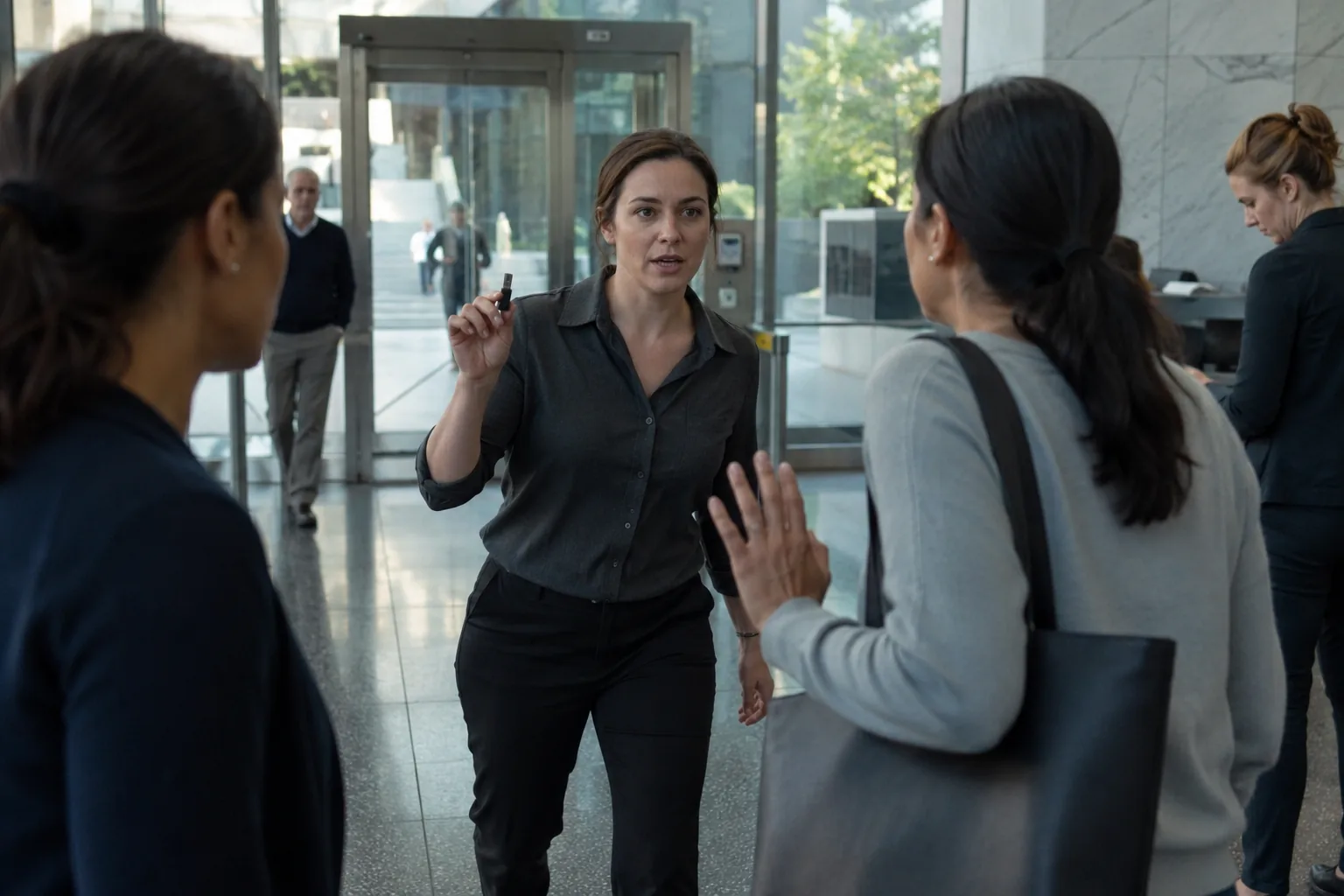
Dana came into the lobby from the badge door with the access token pinched between two fingers and said the line before she even reached my desk: “Just keep moving, Maya. He already signed off.” She said it like she had practiced it in a mirror, right over the low hum of the lobby printer and the quiet tap of a security gate cycling behind me.
Eli stopped at the threshold tiles and looked from the token to me and back again. Ms. Ortega stood a few steps behind Dana, one palm open like she was presenting a finished fact. A lab badge hung at Dana’s chest, but she kept touching the token instead of letting it rest on the counter.
“I need the token scan,” I said.
Dana slid it forward just enough for me to see the edge. The token was plain white plastic with a clipped corner and a printed ID number, the kind this lab used for temporary escort access. It flashed under the desk light every time she moved it. She did not let go.
“He said it was fine,” Dana said. “He already told her he’d take responsibility.”
Ms. Ortega nodded fast. “That’s what she said earlier. He agreed.”
The way she said it hit wrong. Not the message. The word.
I looked at her and said, “Who is ‘she’?”
Dana answered before Ms. Ortega could. “You know what I mean. Don’t make this harder than it is.”
Eli had not moved. One hand stayed on the strap of a backpack, the other hung at his side. He kept glancing at the token and then at the security reader by my elbow. The reader was still green, waiting for an escort handoff that had not happened yet.
I held my place at the desk and said, “Repeat exactly what you were told.”
Dana lifted her chin and started again, slower this time, as if slower would make it cleaner. “He said to keep moving and not worry about it because he already signed off.”
Ms. Ortega jumped in right after her. “And he said the same thing to her at the door. It was already settled.”
There it was again. The borrowed blame line. Not just blame, but a line with someone else’s voice in it. She kept pointing an open palm toward Eli like the answer was standing on him.
The lobby had the usual quiet motion around us. A courier rolled a cart past the glass wall. A technician in scrubs crossed to the elevators without looking over. Nobody stopped. That made the small details louder: Dana’s grip on the token, Eli not stepping past the mat, Ms. Ortega repeating the same words like she was trying to seal them down.
I held out my hand. “Token and badge.”
Dana gave me the badge first. The token stayed in her fingers.
“Maya,” she said, soft but tight, “we do not need a scene.”
“Then give me the token.”
She looked past me to the lobby camera, then to the side door, then back at me. “He was supposed to take care of it,” she said.
“Who is he?”
She did not answer that. Ms. Ortega answered instead, with the same borrowed tone she had used twice already. “The person who matters.”
I put my hand flat on the desk and said, “The line is not complete.”
Dana let out one sharp breath through her nose. “It is complete.”
“Say it again,” I told her.
She did. “He said to keep moving and not worry about it because he already signed off.”
This time the word landed wrong in a different place. She said “signed” with the confidence of a person repeating something, but the access log rules on my screen were clear enough for me to see without touching anything: no sign-off could be active unless the escort name matched the token holder and the desk confirmation was live. Dana was standing there with a valid-looking token and a line that did not match the path she was trying to push through.
Eli finally spoke. “I’m not moving until somebody says what this is.”
Dana turned fast and snapped, “You’re the reason this got complicated.”
Ms. Ortega nodded toward him and said, “He always does this.”
That was the borrowed blame spreading now, out loud, in the lobby, with the token still in Dana’s hand and the reader still green. I reached for the desk phone with one hand and kept the other open toward the token.
Dana looked at the screen over my shoulder, and for the first time she stopped repeating. She stared at the line on my monitor like it had changed shape.
The wrong word was not where I expected it. It was in the one she had just said, and now the whole instruction sounded different. Why was she still trying to push Eli forward when the token she brought was already tagged for someone else?
Dana came into the lobby from the badge door with the access token pinched between two fingers and said the line before she even reached my desk: “Just keep moving, Maya. He already signed off.” She said it like she had practiced it in a mirror, right over the low hum of the lobby printer and the quiet tap of a security gate cycling behind me.
Eli stopped at the threshold tiles and looked from the token to me and back again. Ms. Ortega stood a few steps behind Dana, one palm open like she was presenting a finished fact. A lab badge hung at Dana’s chest, but she kept touching the token instead of letting it rest on the counter.
“I need the token scan,” I said.
Dana slid it forward just enough for me to see the edge. The token was plain white plastic with a clipped corner and a printed ID number, the kind this lab used for temporary escort access. It flashed under the desk light every time she moved it. She did not let go.
“He said it was fine,” Dana said. “He already told her he’d take responsibility.”
Ms. Ortega nodded fast. “That’s what she said earlier. He agreed.”
The way she said it hit wrong. Not the message. The word.
I looked at her and said, “Who is ‘she’?”
Dana answered before Ms. Ortega could. “You know what I mean. Don’t make this harder than it is.”
Eli had not moved. One hand stayed on the strap of a backpack, the other hung at his side. He kept glancing at the token and then at the security reader by my elbow. The reader was still green, waiting for an escort handoff that had not happened yet.
I held my place at the desk and said, “Repeat exactly what you were told.”
Dana lifted her chin and started again, slower this time, as if slower would make it cleaner. “He said to keep moving and not worry about it because he already signed off.”
Ms. Ortega jumped in right after her. “And he said the same thing to her at the door. It was already settled.”
There it was again. The borrowed blame line. Not just blame, but a line with someone else’s voice in it. She kept pointing an open palm toward Eli like the answer was standing on him.
The lobby had the usual quiet motion around us. A courier rolled a cart past the glass wall. A technician in scrubs crossed to the elevators without looking over. Nobody stopped. That made the small details louder: Dana’s grip on the token, Eli not stepping past the mat, Ms. Ortega repeating the same words like she was trying to seal them down.
I held out my hand. “Token and badge.”
Dana gave me the badge first. The token stayed in her fingers.
“Maya,” she said, soft but tight, “we do not need a scene.”
“Then give me the token.”
She looked past me to the lobby camera, then to the side door, then back at me. “He was supposed to take care of it,” she said.
“Who is he?”
She did not answer that. Ms. Ortega answered instead, with the same borrowed tone she had used twice already. “The person who matters.”
I put my hand flat on the desk and said, “The line is not complete.”
Dana let out one sharp breath through her nose. “It is complete.”
“Say it again,” I told her.
She did. “He said to keep moving and not worry about it because he already signed off.”
This time the word landed wrong in a different place. She said “signed” with the confidence of a person repeating something, but the access log rules on my screen were clear enough for me to see without touching anything: no sign-off could be active unless the escort name matched the token holder and the desk confirmation was live. Dana was standing there with a valid-looking token and a line that did not match the path she was trying to push through.
Eli finally spoke. “I’m not moving until somebody says what this is.”
Dana turned fast and snapped, “You’re the reason this got complicated.”
Ms. Ortega nodded toward him and said, “He always does this.”
That was the borrowed blame spreading now, out loud, in the lobby, with the token still in Dana’s hand and the reader still green. I reached for the desk phone with one hand and kept the other open toward the token.
Dana looked at the screen over my shoulder, and for the first time she stopped repeating. She stared at the line on my monitor like it had changed shape.
The wrong word was not where I expected it. It was in the one she had just said, and now the whole instruction sounded different. Why was she still trying to push Eli forward when the token she brought was already tagged for someone else?