Story code: ST-000207
Part 1: He Said Carrying the Binder Proved I Was Selfish
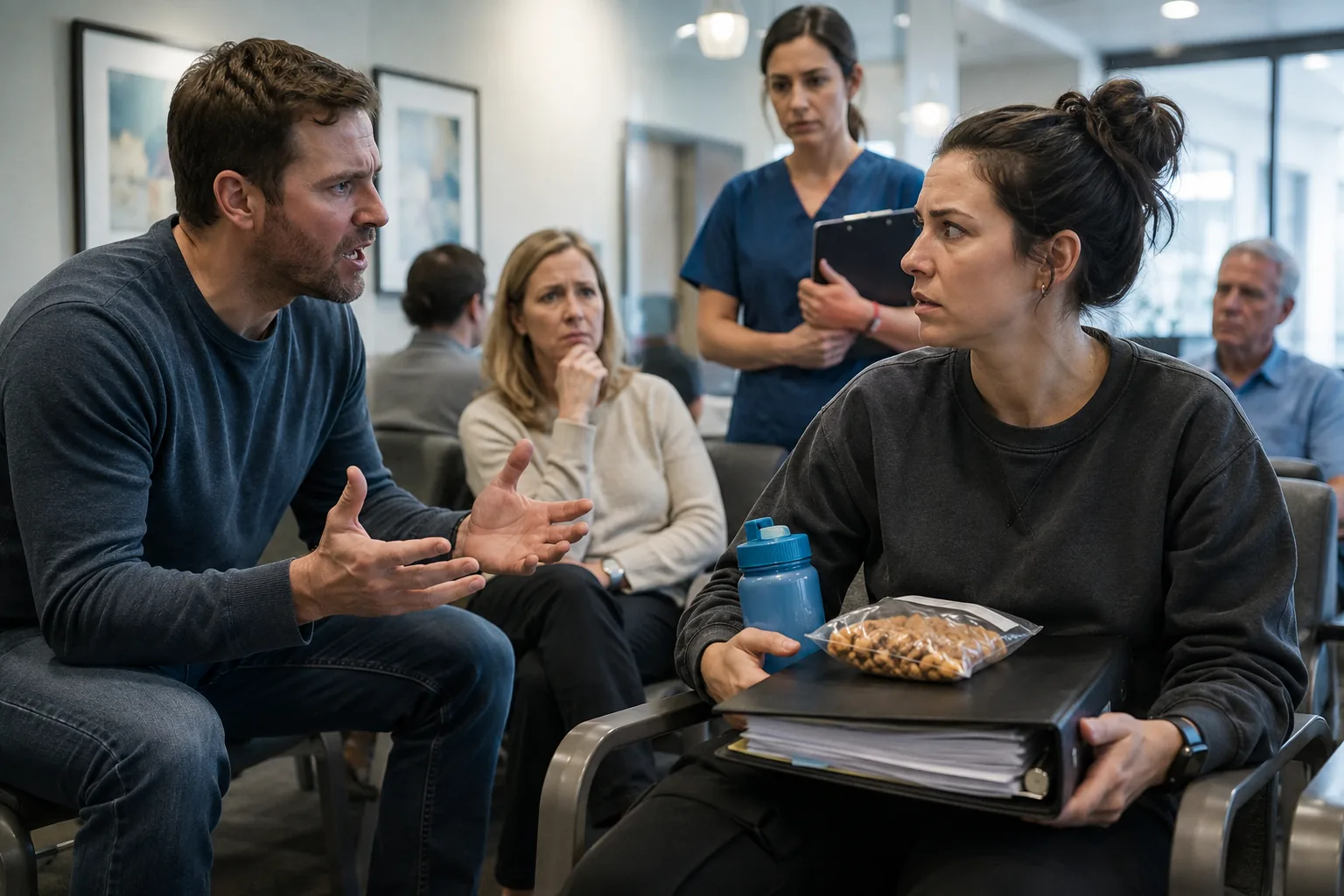
My brother called me selfish in the genetics clinic waiting area while I was balancing Leo’s snack bag, his water bottle, and the thick care log binder on my knee, and people actually looked at me like I was the one causing the problem. Drew pointed at the lab report envelope in my hand and said, loud enough to carry over the check-in printer and the soft cartoon playing from a wall TV, “You always do this. You make his condition about you.” The part that kept hitting me in the chest was simple: I was the one who had gotten Leo dressed, medicated, fed, and here on time, and I had brought the records because the clinic asked for them. Leo was leaning against my side in the molded plastic chair, rubbing the edge of his sleeve between two fingers the way he did when routines got knocked loose. I kept my voice level because that was the only way appointments ever stayed on the rails. “Drew,” I said, “not here.” He gave a short laugh and spread one hand like I was proving his point for him. “Exactly. Everything has to happen your way. You hoard information, you control access, and then you want credit for basic care.” A woman across from us stopped flipping a magazine. A teenage boy looked up from his phone. The waiting room had that clinic quiet where nobody wants to stare, but everybody hears everything. I shifted the binder farther onto my lap and kept one hand on Leo’s shoulder. The front pocket bulged with color-tabbed pages: symptom notes, med times, food reactions, sleep interruptions, intake changes, and the questions I had written down after the nurse told me to track patterns before today’s genetics consult. The white envelope with the latest lab report was folded against the binder. I had not even opened it fully yet. Nina at check-in had told me they would go over it with us after the provider reviewed the file. Drew stayed standing instead of sitting. He had on one of his quarter-zips and his work badge clipped at the belt, like he had come straight from the biotech campus. He always looked more prepared than anyone else in a room, even when he had arrived with nothing in his hands. “You know what the real issue is?” he said. “You step in and make yourself indispensable, and then you act like everybody else failed some test you invented.” I looked at him. “Can you lower your voice?” “No,” he said. “Because somebody needs to say it where other people can hear it. You helping all the time isn’t help if it keeps his care dependent on you.” That landed exactly the way he meant it to. Not as concern. As an accusation dressed in clinic language. Leo tipped his head back against the chair and asked, quietly, “Are we going in soon?” “Soon,” I said. I took out his chew necklace from the side pocket and handed it to him. He took it without looking at Drew. Nina Ortiz came back through the sliding door with a stack of forms pressed to a clipboard. She had the careful face clinic staff get when they can tell a family argument is one sentence away from becoming their problem. “Mara Bennett?” she said. I stood partway, keeping the binder tucked against me. “That’s me.” “I need a signature for today’s release update, and I also need the daily care notes you mentioned on the phone.” Before I could answer, Drew stepped toward her and said, “I’m his uncle. I work in biotech. There’s been an ongoing issue with gatekeeping around his care, so I just want that noted.” Nina looked from him to me, then to Leo. She did not nod. She did not react much at all. “Okay,” she said, in the flat professional tone people use when they are not agreeing to anything. “Who brought the records?” “I did,” I said. Drew let out a breath through his nose. “Of course you did.” Nina held out her hand. I passed her the binder first, then the sealed lab report envelope I had been told to bring from Leo’s last draw. She glanced at the label to confirm the name and date. Drew said, “Please make sure the provider knows she has a pattern of making herself the center of this. Every appointment turns into proof that nobody can do anything without her.” There were a dozen answers I could have given. None of them would have helped Leo get into that room faster. So I said the only true thing that mattered in that moment. “I’m the one who keeps the schedule,” I said. “I’m the one who tracks what happens at home. That’s why the binder exists.” Drew folded his arms. “A binder existing doesn’t make you right.” Nina flipped open the front cover. I saw the tabs bend under her thumb: meds, meals, sleep, behavior, follow-up questions. She paused on the intake sheet clipped to the first section, then looked up. “Did you say this log is daily?” she asked me. “Yes.” “And it covers the last eight weeks?” “Yes.” Drew cut in. “Anybody can write things down after the fact.” Nina did not answer him. She was reading now. Not the whole binder, not deeply, just enough for her eyes to stop, go back, and stop again. Then she slipped the lab report envelope under the clipboard, tucked the binder against her side, and said, “I’m going to bring these to the nurse before rooming.” Drew opened his mouth like he wanted to keep going, but she was already turning back toward the door. As it slid shut behind her, I caught one small thing I had not noticed before: a yellow sticky tab on the inside cover, where I had marked the pages showing who gave Leo each dose, who missed training, and who actually came to appointments. Drew had mocked.
My brother called me selfish in the genetics clinic waiting area while I was balancing Leo’s snack bag, his water bottle, and the thick care log binder on my knee, and people actually looked at me like I was the one causing the problem. Drew pointed at the lab report envelope in my hand and said, loud enough to carry over the check-in printer and the soft cartoon playing from a wall TV, “You always do this. You make his condition about you.” The part that kept hitting me in the chest was simple: I was the one who had gotten Leo dressed, medicated, fed, and here on time, and I had brought the records because the clinic asked for them. Leo was leaning against my side in the molded plastic chair, rubbing the edge of his sleeve between two fingers the way he did when routines got knocked loose. I kept my voice level because that was the only way appointments ever stayed on the rails. “Drew,” I said, “not here.” He gave a short laugh and spread one hand like I was proving his point for him. “Exactly. Everything has to happen your way. You hoard information, you control access, and then you want credit for basic care.” A woman across from us stopped flipping a magazine. A teenage boy looked up from his phone. The waiting room had that clinic quiet where nobody wants to stare, but everybody hears everything. I shifted the binder farther onto my lap and kept one hand on Leo’s shoulder. The front pocket bulged with color-tabbed pages: symptom notes, med times, food reactions, sleep interruptions, intake changes, and the questions I had written down after the nurse told me to track patterns before today’s genetics consult. The white envelope with the latest lab report was folded against the binder. I had not even opened it fully yet. Nina at check-in had told me they would go over it with us after the provider reviewed the file. Drew stayed standing instead of sitting. He had on one of his quarter-zips and his work badge clipped at the belt, like he had come straight from the biotech campus. He always looked more prepared than anyone else in a room, even when he had arrived with nothing in his hands. “You know what the real issue is?” he said. “You step in and make yourself indispensable, and then you act like everybody else failed some test you invented.” I looked at him. “Can you lower your voice?” “No,” he said. “Because somebody needs to say it where other people can hear it. You helping all the time isn’t help if it keeps his care dependent on you.” That landed exactly the way he meant it to. Not as concern. As an accusation dressed in clinic language. Leo tipped his head back against the chair and asked, quietly, “Are we going in soon?” “Soon,” I said. I took out his chew necklace from the side pocket and handed it to him. He took it without looking at Drew. Nina Ortiz came back through the sliding door with a stack of forms pressed to a clipboard. She had the careful face clinic staff get when they can tell a family argument is one sentence away from becoming their problem. “Mara Bennett?” she said. I stood partway, keeping the binder tucked against me. “That’s me.” “I need a signature for today’s release update, and I also need the daily care notes you mentioned on the phone.” Before I could answer, Drew stepped toward her and said, “I’m his uncle. I work in biotech. There’s been an ongoing issue with gatekeeping around his care, so I just want that noted.” Nina looked from him to me, then to Leo. She did not nod. She did not react much at all. “Okay,” she said, in the flat professional tone people use when they are not agreeing to anything. “Who brought the records?” “I did,” I said. Drew let out a breath through his nose. “Of course you did.” Nina held out her hand. I passed her the binder first, then the sealed lab report envelope I had been told to bring from Leo’s last draw. She glanced at the label to confirm the name and date. Drew said, “Please make sure the provider knows she has a pattern of making herself the center of this. Every appointment turns into proof that nobody can do anything without her.” There were a dozen answers I could have given. None of them would have helped Leo get into that room faster. So I said the only true thing that mattered in that moment. “I’m the one who keeps the schedule,” I said. “I’m the one who tracks what happens at home. That’s why the binder exists.” Drew folded his arms. “A binder existing doesn’t make you right.” Nina flipped open the front cover. I saw the tabs bend under her thumb: meds, meals, sleep, behavior, follow-up questions. She paused on the intake sheet clipped to the first section, then looked up. “Did you say this log is daily?” she asked me. “Yes.” “And it covers the last eight weeks?” “Yes.” Drew cut in. “Anybody can write things down after the fact.” Nina did not answer him. She was reading now. Not the whole binder, not deeply, just enough for her eyes to stop, go back, and stop again. Then she slipped the lab report envelope under the clipboard, tucked the binder against her side, and said, “I’m going to bring these to the nurse before rooming.” Drew opened his mouth like he wanted to keep going, but she was already turning back toward the door. As it slid shut behind her, I caught one small thing I had not noticed before: a yellow sticky tab on the inside cover, where I had marked the pages showing who gave Leo each dose, who missed training, and who actually came to appointments. Drew had mocked.