Story code: ST-000209
Part 1: She Said He Didn’t Count
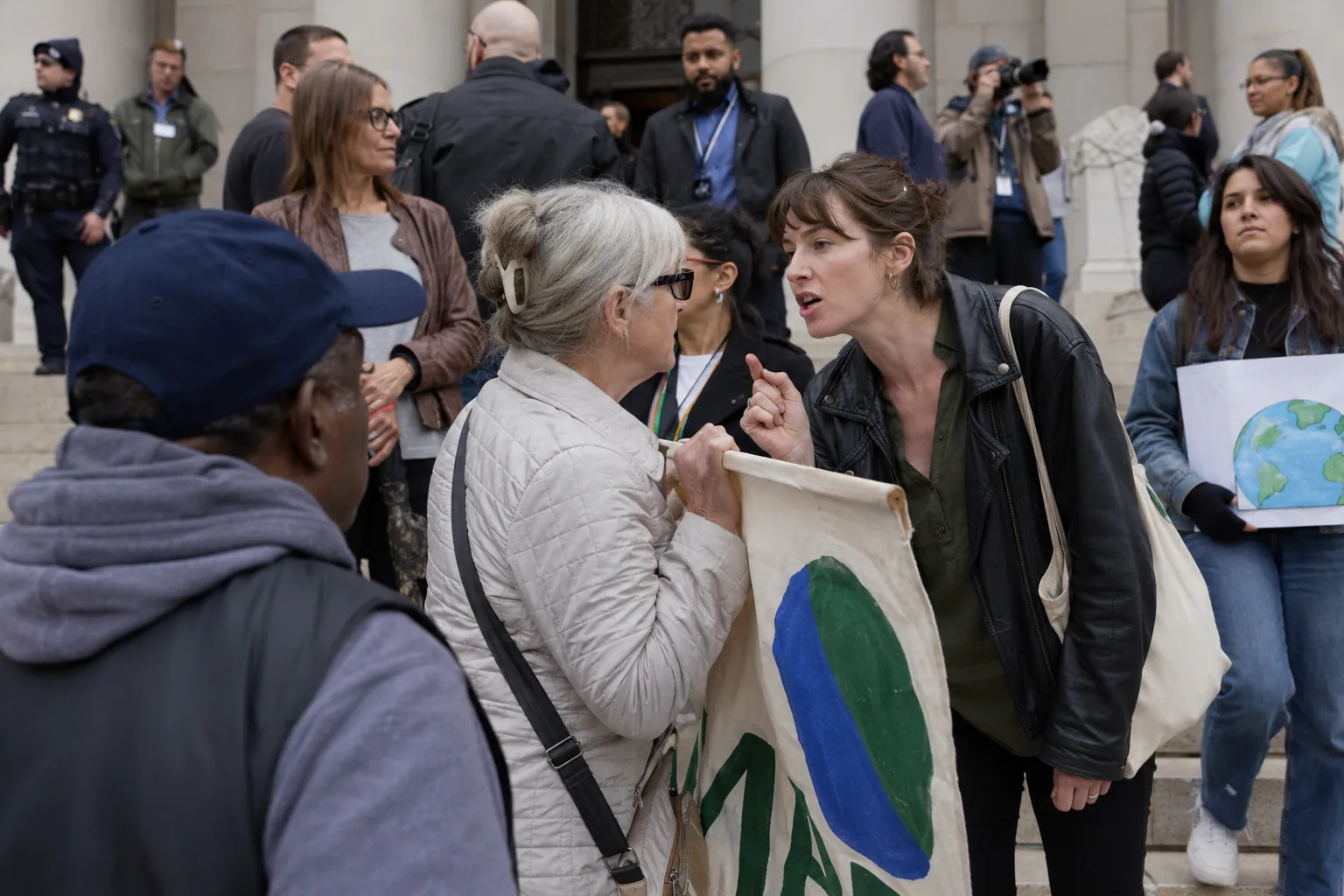
My niece said, loud enough for the cameras and the volunteers with zip ties to hear, that I had no right to hold our family banner on the city council steps. I was three feet away at the lower landing with a roll of blue tape in one hand and paper cups in the other when Leah Mercer pointed at Daniel Mercer and said, “Not you. Step back. You’re not part of this photo and you’re not touching that banner.” She said it beside the folding tables while people were still writing slogans on cardboard and a council aide was testing a microphone at the top rail.
I work setup at these public events, so I keep moving unless someone is bleeding or blocking a walkway. That morning I was taping down extension cord covers and refilling cups at the water cooler. Leah had been running the middle steps like a stage manager, spacing people out, pulling one side of the painted climate protest banner higher, moving Evan Cho two feet left, then right, then left again. She had the kind of voice that carries without needing a mic.
Daniel came up from the sidewalk with a rolled cardboard poster tube tucked under one arm and an old green jacket on, the kind with faded elbows and a patch near the chest seam. He didn’t cut through the crowd or make a show of arriving. He just walked to the middle steps like he expected to stand with the rest of them.
Leah saw him, stepped in front of the banner line, and put one hand up.
“No,” she said.
Daniel stopped on the step below her. “No what?”
“No family shot. No banner line. You can stay for the rally, but you don’t get to stand in our family image.”
That got heads turning fast. Evan froze with a fistful of binder clips. Two women near the railing lowered their phones but did not put them away. Rosa Mercer, who had been digging through a tote bag full of granola bars and enamel pins, looked up and stayed still.
Daniel shifted the tube from one hand to the other. “Our family image?”
Leah pointed at the painted banner stretched across the middle steps. It was white canvas with green block letters and hand-painted blue wave lines under the words CLIMATE JUSTICE IS FAMILY WORK. The left corner was sagging because somebody had clipped it wrong.
“This is about people who did the work,” she said. “People who were here. People who count.”
Daniel looked at the banner, not at her. “Take your hand off my way.”
She didn’t move. “You don’t get to walk in and rewrite this.”
A council staffer in a navy blazer came around me with a box of programs and gave the scene one quick look before pretending not to notice. That is how these things usually go. If nobody is throwing punches, the public part keeps running.
I set the cups down on the folding table because I could already see the walkway tightening. A few passersby had slowed on the sidewalk. The volunteer line had stopped writing. Even the mic check at the top landing paused for a second.
Daniel kept his voice low, which somehow made Leah raise hers.
“You were not there for this banner,” she said. “You don’t get to stand under it now.”
That line landed. It was sharp enough that even people who did not know the family understood the shape of it. Not just don’t help. Don’t belong.
Rosa came up two steps and said, quiet, “Leah.”
Leah didn’t look at her. “No, Aunt Rosa. We are not doing this today.”
Daniel’s grip tightened on the poster tube. I could see the muscles in his hand change against the cardboard. He looked past Leah at the left edge of the banner and said, “Who clipped that corner?”
Evan lifted the binder clips a little. “I did, I guess. She told me to keep it even.”
“It’s upside on the fold,” Daniel said.
Leah snapped her head toward him. “Don’t coach my volunteers.”
Daniel didn’t answer her. He stepped sideways, not forward, and looked at Rosa instead. Rosa had gone back into her tote bag. She pulled out a round family button with a sun-faded edge and then stopped with it halfway in her hand, like she had forgotten who was watching.
Leah saw that too. “That has nothing to do with this,” she said.
Daniel’s eyes stayed on the old button. Then he tapped the cardboard tube once with two fingers and said, still low, “If it has nothing to do with this, tell him what’s painted on the back side under the hem before you open it wrong again.”
Nobody moved for a full beat. Evan looked from Leah to the banner. Rosa closed her hand around the button but did not put it away.
Leah said, “Don’t start.”
Daniel finally looked at her. “Then stop saying I don’t count.”
The microphone up top crackled back to life, and the group on the steps stayed frozen around a banner nobody suddenly seemed eager to touch. Leah had blocked him in public, but she was the one standing between that canvas and a question she had not answered.
My niece said, loud enough for the cameras and the volunteers with zip ties to hear, that I had no right to hold our family banner on the city council steps. I was three feet away at the lower landing with a roll of blue tape in one hand and paper cups in the other when Leah Mercer pointed at Daniel Mercer and said, “Not you. Step back. You’re not part of this photo and you’re not touching that banner.” She said it beside the folding tables while people were still writing slogans on cardboard and a council aide was testing a microphone at the top rail.
I work setup at these public events, so I keep moving unless someone is bleeding or blocking a walkway. That morning I was taping down extension cord covers and refilling cups at the water cooler. Leah had been running the middle steps like a stage manager, spacing people out, pulling one side of the painted climate protest banner higher, moving Evan Cho two feet left, then right, then left again. She had the kind of voice that carries without needing a mic.
Daniel came up from the sidewalk with a rolled cardboard poster tube tucked under one arm and an old green jacket on, the kind with faded elbows and a patch near the chest seam. He didn’t cut through the crowd or make a show of arriving. He just walked to the middle steps like he expected to stand with the rest of them.
Leah saw him, stepped in front of the banner line, and put one hand up.
“No,” she said.
Daniel stopped on the step below her. “No what?”
“No family shot. No banner line. You can stay for the rally, but you don’t get to stand in our family image.”
That got heads turning fast. Evan froze with a fistful of binder clips. Two women near the railing lowered their phones but did not put them away. Rosa Mercer, who had been digging through a tote bag full of granola bars and enamel pins, looked up and stayed still.
Daniel shifted the tube from one hand to the other. “Our family image?”
Leah pointed at the painted banner stretched across the middle steps. It was white canvas with green block letters and hand-painted blue wave lines under the words CLIMATE JUSTICE IS FAMILY WORK. The left corner was sagging because somebody had clipped it wrong.
“This is about people who did the work,” she said. “People who were here. People who count.”
Daniel looked at the banner, not at her. “Take your hand off my way.”
She didn’t move. “You don’t get to walk in and rewrite this.”
A council staffer in a navy blazer came around me with a box of programs and gave the scene one quick look before pretending not to notice. That is how these things usually go. If nobody is throwing punches, the public part keeps running.
I set the cups down on the folding table because I could already see the walkway tightening. A few passersby had slowed on the sidewalk. The volunteer line had stopped writing. Even the mic check at the top landing paused for a second.
Daniel kept his voice low, which somehow made Leah raise hers.
“You were not there for this banner,” she said. “You don’t get to stand under it now.”
That line landed. It was sharp enough that even people who did not know the family understood the shape of it. Not just don’t help. Don’t belong.
Rosa came up two steps and said, quiet, “Leah.”
Leah didn’t look at her. “No, Aunt Rosa. We are not doing this today.”
Daniel’s grip tightened on the poster tube. I could see the muscles in his hand change against the cardboard. He looked past Leah at the left edge of the banner and said, “Who clipped that corner?”
Evan lifted the binder clips a little. “I did, I guess. She told me to keep it even.”
“It’s upside on the fold,” Daniel said.
Leah snapped her head toward him. “Don’t coach my volunteers.”
Daniel didn’t answer her. He stepped sideways, not forward, and looked at Rosa instead. Rosa had gone back into her tote bag. She pulled out a round family button with a sun-faded edge and then stopped with it halfway in her hand, like she had forgotten who was watching.
Leah saw that too. “That has nothing to do with this,” she said.
Daniel’s eyes stayed on the old button. Then he tapped the cardboard tube once with two fingers and said, still low, “If it has nothing to do with this, tell him what’s painted on the back side under the hem before you open it wrong again.”
Nobody moved for a full beat. Evan looked from Leah to the banner. Rosa closed her hand around the button but did not put it away.
Leah said, “Don’t start.”
Daniel finally looked at her. “Then stop saying I don’t count.”
The microphone up top crackled back to life, and the group on the steps stayed frozen around a banner nobody suddenly seemed eager to touch. Leah had blocked him in public, but she was the one standing between that canvas and a question she had not answered.