Story code: ST-000240
Part 1: He Said the Freezer Bill Bought Me
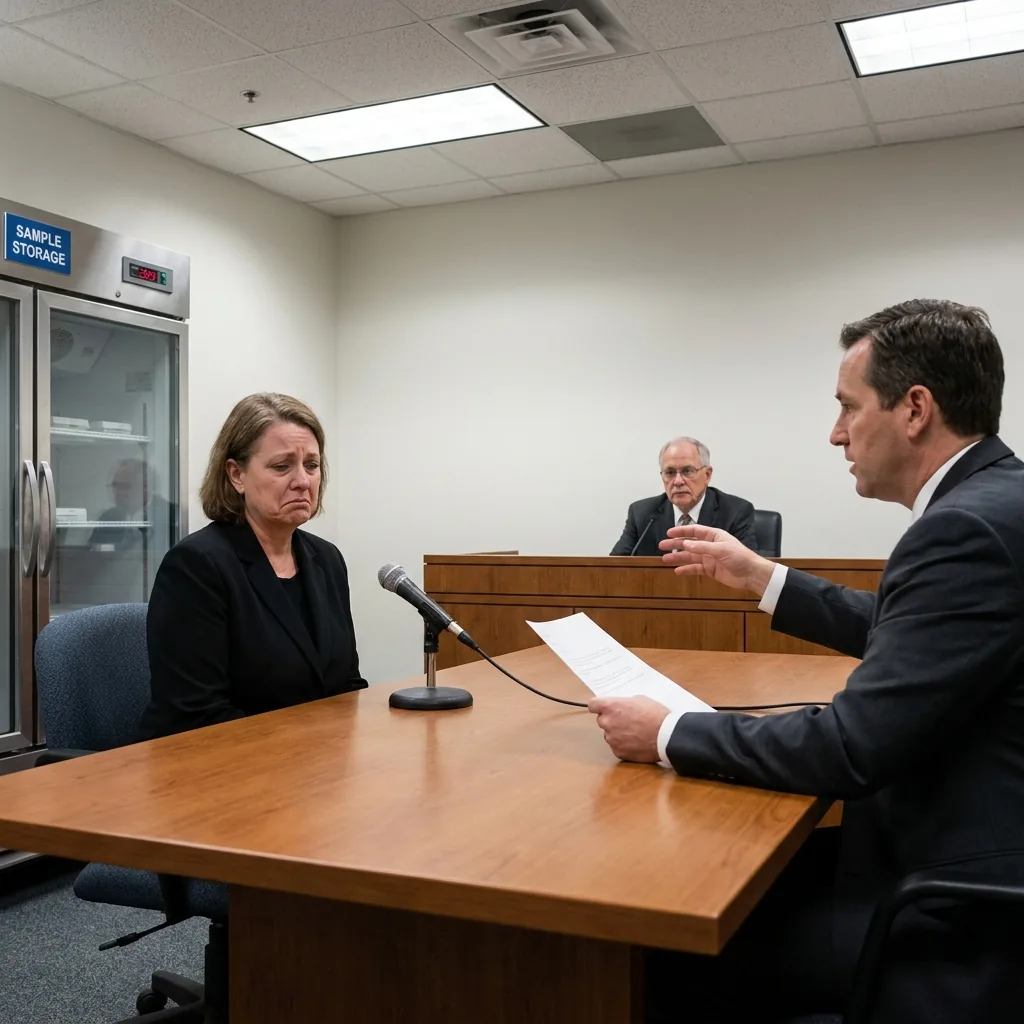
Gavin Rusk waited until I was under a hearing-room microphone to list the exact amount he had paid to keep my clone’s samples in a monitored freezer, like he was reading out the price of me. I had walked into the witness seating area at the Regional Bioethics Review Center to talk about consent, with a visitor badge still clipped crooked to my sweater and paper name placards lined up beside water cups, and instead my clone’s sponsor started reciting his generosity as if every storage fee had turned into a debt I was supposed to repay in public. The worst part was that he said it in that calm professional voice people use when they want the room to think they are being reasonable, and for a few seconds I could not tell who in there understood what he had just tried to do.
Dr. Elise Navarro sat at the center of the table, hands folded near her microphone. “Mr. Rusk,” she said, “keep your comments tied to preservation and consent review.”
“I am,” Gavin said. He did not look at her for long. He looked at me. “Preservation costs don’t pay themselves. I’ve covered those invoices for eighteen months. Emergency transfer fees, viability monitoring, the quarterly freezer charges. At some point stewardship matters. At some point cooperation matters.”
He said cooperation like it was softer than obedience.
My name placard had MARA ELLISON in black block letters. I kept both hands around the paper cup in front of me because if I let go, I thought I might point at him, and I had promised myself before I came in that I would not give him a scene he could call instability.
“I never asked you to turn payments into terms,” I said.
He gave the room a patient little nod, like I was confirming his point without meaning to. “No one is talking about ownership. I’m talking about responsibility. Other people in this family were relieved those samples weren’t destroyed when billing lapsed. Other people understood the value of keeping options open.”
At the far end of the row, my brother Noah shifted in his chair and looked down at the table. That was all he did, but it was enough to make the sentence land harder. Gavin did not need everyone speaking for him. He just needed the room to believe silence meant agreement.
The hearing was supposed to be about whether preserved tissue and viability samples tied to my clone should remain in long-term storage while consent questions were still being argued. That was the formal issue. The social issue sitting in the room with us was older and uglier. Gavin had money. Gavin had covered gaps before. Gavin had a way of stepping into a mess no one asked him to own and later talking as if everyone had always understood the price.
Dr. Navarro glanced toward me. “Ms. Ellison, you may respond to the claim that continued preservation depended on outside payment.”
Claim. Not truth. I held onto that word.
“The samples are not his,” I said. “Paying a freezer invoice doesn’t give him moral authority over me, my clone, or any future decision attached to those materials.”
“No one said it did,” Gavin replied, almost before I finished.
Then he leaned closer to his microphone and said the thing he had clearly come prepared to say.
“But if a person keeps someone else’s possibilities alive at real cost, and the answer they get back is hostility and refusal, the committee should at least note that pattern.”
There it was. Not ownership. Just a polished version of you owe me everything.
Rina Vale from lab operations was seated off to the side, waiting for her turn. She had a thin folder and a tablet in front of her. When Gavin mentioned viability monitoring, she lifted her eyes for a second, then lowered them to the tablet again. I couldn’t read anything from that by itself, but I noticed it because she had been still until then.
Dr. Navarro said, “This hearing is not a venue for personal leverage. If you are asserting that preservation changed the ethical posture of the case, state the practical effect.”
Gavin spread one hand. “Without my support, the material would have been lost. That’s the practical effect.”
He said it so cleanly that if you did not know his pattern, it almost sounded factual instead of territorial.
I looked at the billing summaries stacked near the center of the table. The top page showed dates, storage charges, monitoring fees, transfer notation. Numbers are dangerous in rooms like that. Numbers look neutral even when they are being used like a hand at your throat.
“Lost to whom?” I asked.
He turned to me slowly. “To you, Mara. Obviously.”
Obviously. As if the only person those preserved samples could possibly matter to was me.
Noah finally spoke, too low at first. “Gavin.”
Gavin did not stop. “I am not asking for praise. I am asking for basic acknowledgment that my intervention preserved choices your side could not afford to preserve.”
Your side.
I heard a chair leg scrape behind me. Someone at the back shifted papers. The microphones carried every small sound too clearly. My pulse was loud enough in my ears that I missed the first half second of Dr. Navarro saying Rina’s name.
“Ms. Vale,” she said, “before we move on, I want the operational record clear. When these samples remained in monitored storage, what did that continued preservation specifically enable?”
Rina lifted her head. She did not look at me or Gavin. She looked at the chair.
And before she answered, Gavin reached for his water cup so fast he bumped the billing summaries sideways across the table.
Gavin Rusk waited until I was under a hearing-room microphone to list the exact amount he had paid to keep my clone’s samples in a monitored freezer, like he was reading out the price of me. I had walked into the witness seating area at the Regional Bioethics Review Center to talk about consent, with a visitor badge still clipped crooked to my sweater and paper name placards lined up beside water cups, and instead my clone’s sponsor started reciting his generosity as if every storage fee had turned into a debt I was supposed to repay in public. The worst part was that he said it in that calm professional voice people use when they want the room to think they are being reasonable, and for a few seconds I could not tell who in there understood what he had just tried to do.
Dr. Elise Navarro sat at the center of the table, hands folded near her microphone. “Mr. Rusk,” she said, “keep your comments tied to preservation and consent review.”
“I am,” Gavin said. He did not look at her for long. He looked at me. “Preservation costs don’t pay themselves. I’ve covered those invoices for eighteen months. Emergency transfer fees, viability monitoring, the quarterly freezer charges. At some point stewardship matters. At some point cooperation matters.”
He said cooperation like it was softer than obedience.
My name placard had MARA ELLISON in black block letters. I kept both hands around the paper cup in front of me because if I let go, I thought I might point at him, and I had promised myself before I came in that I would not give him a scene he could call instability.
“I never asked you to turn payments into terms,” I said.
He gave the room a patient little nod, like I was confirming his point without meaning to. “No one is talking about ownership. I’m talking about responsibility. Other people in this family were relieved those samples weren’t destroyed when billing lapsed. Other people understood the value of keeping options open.”
At the far end of the row, my brother Noah shifted in his chair and looked down at the table. That was all he did, but it was enough to make the sentence land harder. Gavin did not need everyone speaking for him. He just needed the room to believe silence meant agreement.
The hearing was supposed to be about whether preserved tissue and viability samples tied to my clone should remain in long-term storage while consent questions were still being argued. That was the formal issue. The social issue sitting in the room with us was older and uglier. Gavin had money. Gavin had covered gaps before. Gavin had a way of stepping into a mess no one asked him to own and later talking as if everyone had always understood the price.
Dr. Navarro glanced toward me. “Ms. Ellison, you may respond to the claim that continued preservation depended on outside payment.”
Claim. Not truth. I held onto that word.
“The samples are not his,” I said. “Paying a freezer invoice doesn’t give him moral authority over me, my clone, or any future decision attached to those materials.”
“No one said it did,” Gavin replied, almost before I finished.
Then he leaned closer to his microphone and said the thing he had clearly come prepared to say.
“But if a person keeps someone else’s possibilities alive at real cost, and the answer they get back is hostility and refusal, the committee should at least note that pattern.”
There it was. Not ownership. Just a polished version of you owe me everything.
Rina Vale from lab operations was seated off to the side, waiting for her turn. She had a thin folder and a tablet in front of her. When Gavin mentioned viability monitoring, she lifted her eyes for a second, then lowered them to the tablet again. I couldn’t read anything from that by itself, but I noticed it because she had been still until then.
Dr. Navarro said, “This hearing is not a venue for personal leverage. If you are asserting that preservation changed the ethical posture of the case, state the practical effect.”
Gavin spread one hand. “Without my support, the material would have been lost. That’s the practical effect.”
He said it so cleanly that if you did not know his pattern, it almost sounded factual instead of territorial.
I looked at the billing summaries stacked near the center of the table. The top page showed dates, storage charges, monitoring fees, transfer notation. Numbers are dangerous in rooms like that. Numbers look neutral even when they are being used like a hand at your throat.
“Lost to whom?” I asked.
He turned to me slowly. “To you, Mara. Obviously.”
Obviously. As if the only person those preserved samples could possibly matter to was me.
Noah finally spoke, too low at first. “Gavin.”
Gavin did not stop. “I am not asking for praise. I am asking for basic acknowledgment that my intervention preserved choices your side could not afford to preserve.”
Your side.
I heard a chair leg scrape behind me. Someone at the back shifted papers. The microphones carried every small sound too clearly. My pulse was loud enough in my ears that I missed the first half second of Dr. Navarro saying Rina’s name.
“Ms. Vale,” she said, “before we move on, I want the operational record clear. When these samples remained in monitored storage, what did that continued preservation specifically enable?”
Rina lifted her head. She did not look at me or Gavin. She looked at the chair.
And before she answered, Gavin reached for his water cup so fast he bumped the billing summaries sideways across the table.