Story code: ST-000278
Part 1: The Word He Used at the Gate
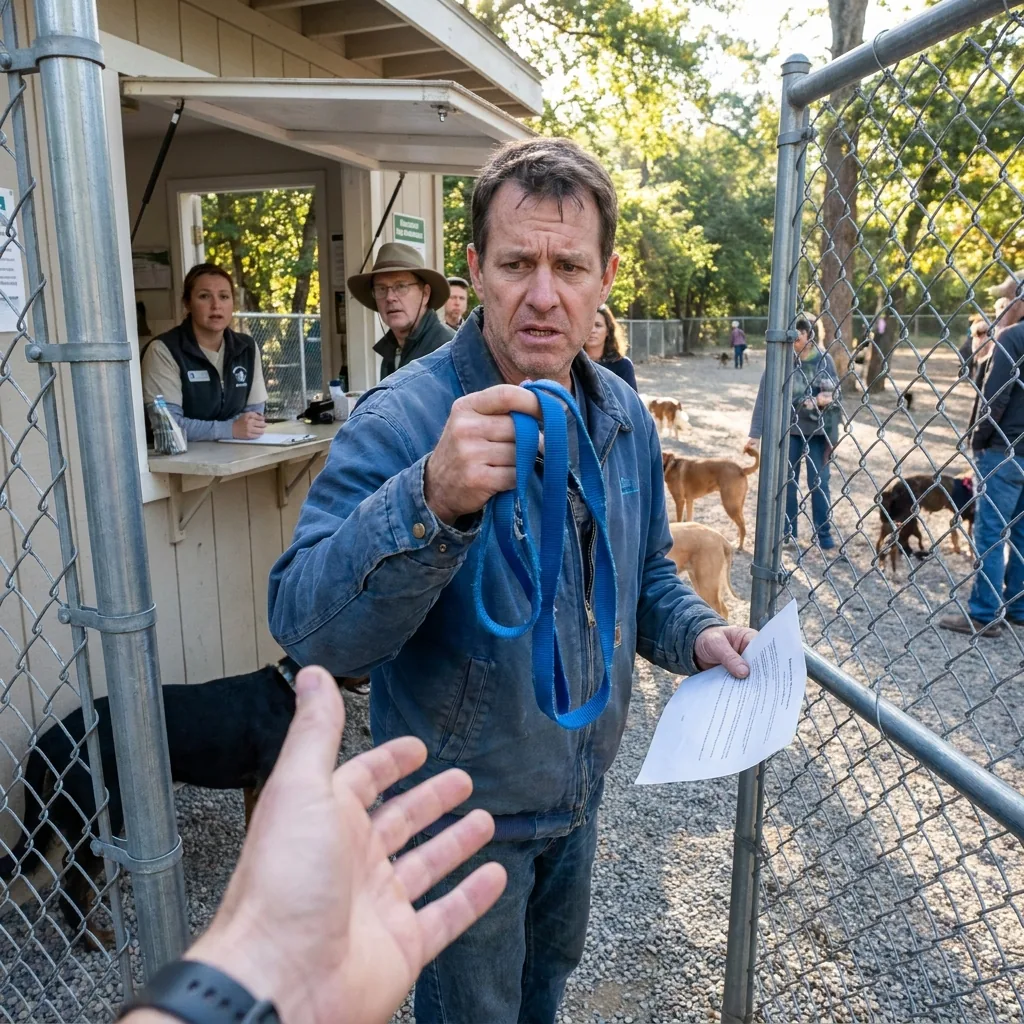
Derek Collins blocked the swing path of the dog park gate with Juniper’s blue leash in one hand and my printed microchip record in the other, and he used a veterinary word I’d never heard in the middle of a crowded check-in line like it was supposed to make Nina Alvarez hand over her dog. We were inside the inner gate nook, right by the specialist bench, with people coming and going past the latch, and he talked over her so hard she had to keep one hand low near Juniper’s collar just to stay in the space.
“Don’t start with me,” he said, holding up his phone like it was a lab chart. “The chip history is showing a mismatch. You’re not even reading the implant sequence right.”
Nina kept her voice flat. She pointed at the paper in my hand from where she stood by the bench rail. “That is the record you asked me to bring.”
He cut right across her. “No, you brought the intake copy. That’s not the same thing as the transponder ledger.”
I looked down at the page. It was the same printed record I had seen her carry in, the same bold microchip number, the same vet logo up top. Derek kept talking anyway, louder now because the line had gone quiet enough for him to hear himself.
“You can’t just wave paper around and act like you know what you’re looking at,” he said. “If the animal is showing a split-read response, you need the proper confirmation chain. Everybody here knows that.”
Nobody said everybody here knew that.
Dr. Leah Mercer was at the small bench just inside the gate, tablet open, scanner docked beside it. She didn’t raise her voice. She held out one hand, palm down, the way people do when they want a room to slow down without making a show of it.
“Mr. Collins,” she said, “what do you mean by split-read response?”
Derek didn’t answer her question. He turned his head toward Nina instead. “This is exactly what I mean. She’s not following because she doesn’t understand the language. You keep trying to argue when you don’t know the field.”
Juniper shifted hard at the end of the leash, nose low, then sat with a quick jerk when Nina shortened her grip. The dog’s paws clicked once on the concrete strip beside the gate. A kid with a tennis ball paused outside the fence and stared through the bars. One of the regulars slowed near the water station and then kept walking.
Dr. Mercer looked at the page in my hand and then at Derek. “Put the record on the bench.”
He did not move right away. He kept talking instead, fast and certain. “You’re all treating a chip printout like it’s the whole story. It isn’t. The sequence has to be interpreted. If you don’t know how to read a transponder ledger, you should not be making custody claims at a public gate.”
That was when Nina finally set the record down herself, right on the edge of the bench, not close enough for him to grab it. Her fingers stayed on the top corner.
“I’m making a claim about my dog,” she said. “Not about your words.”
He laughed once through his nose, short and sharp. “Words matter when you don’t have the training.”
Dr. Mercer picked up the paper with two fingers and held it under the light. She scanned the number printed across the top, then set the page flat again. The scanner sat untouched beside her tablet. The room went quieter, but Derek kept filling it.
“Read it properly,” he said. “You keep looking at the wrong line.”
Dr. Mercer lifted her eyes. “Then define the term you just used.”
Derek’s phone stayed upright in his hand. The blue leash tightened once when Juniper leaned toward Nina’s knee, then slackened. He smiled without showing teeth and nodded at the record like he was about to explain something obvious.
“Fine,” he said. “A split-read response means the chip is registering across two identity paths, which is usually what happens when someone is trying to swap a retained implant profile.”
Nobody in the nook moved. Even the kid with the tennis ball stopped looking in.
Dr. Mercer looked straight at him and said, “Show me where that appears on this record.”
Derek Collins blocked the swing path of the dog park gate with Juniper’s blue leash in one hand and my printed microchip record in the other, and he used a veterinary word I’d never heard in the middle of a crowded check-in line like it was supposed to make Nina Alvarez hand over her dog. We were inside the inner gate nook, right by the specialist bench, with people coming and going past the latch, and he talked over her so hard she had to keep one hand low near Juniper’s collar just to stay in the space.
“Don’t start with me,” he said, holding up his phone like it was a lab chart. “The chip history is showing a mismatch. You’re not even reading the implant sequence right.”
Nina kept her voice flat. She pointed at the paper in my hand from where she stood by the bench rail. “That is the record you asked me to bring.”
He cut right across her. “No, you brought the intake copy. That’s not the same thing as the transponder ledger.”
I looked down at the page. It was the same printed record I had seen her carry in, the same bold microchip number, the same vet logo up top. Derek kept talking anyway, louder now because the line had gone quiet enough for him to hear himself.
“You can’t just wave paper around and act like you know what you’re looking at,” he said. “If the animal is showing a split-read response, you need the proper confirmation chain. Everybody here knows that.”
Nobody said everybody here knew that.
Dr. Leah Mercer was at the small bench just inside the gate, tablet open, scanner docked beside it. She didn’t raise her voice. She held out one hand, palm down, the way people do when they want a room to slow down without making a show of it.
“Mr. Collins,” she said, “what do you mean by split-read response?”
Derek didn’t answer her question. He turned his head toward Nina instead. “This is exactly what I mean. She’s not following because she doesn’t understand the language. You keep trying to argue when you don’t know the field.”
Juniper shifted hard at the end of the leash, nose low, then sat with a quick jerk when Nina shortened her grip. The dog’s paws clicked once on the concrete strip beside the gate. A kid with a tennis ball paused outside the fence and stared through the bars. One of the regulars slowed near the water station and then kept walking.
Dr. Mercer looked at the page in my hand and then at Derek. “Put the record on the bench.”
He did not move right away. He kept talking instead, fast and certain. “You’re all treating a chip printout like it’s the whole story. It isn’t. The sequence has to be interpreted. If you don’t know how to read a transponder ledger, you should not be making custody claims at a public gate.”
That was when Nina finally set the record down herself, right on the edge of the bench, not close enough for him to grab it. Her fingers stayed on the top corner.
“I’m making a claim about my dog,” she said. “Not about your words.”
He laughed once through his nose, short and sharp. “Words matter when you don’t have the training.”
Dr. Mercer picked up the paper with two fingers and held it under the light. She scanned the number printed across the top, then set the page flat again. The scanner sat untouched beside her tablet. The room went quieter, but Derek kept filling it.
“Read it properly,” he said. “You keep looking at the wrong line.”
Dr. Mercer lifted her eyes. “Then define the term you just used.”
Derek’s phone stayed upright in his hand. The blue leash tightened once when Juniper leaned toward Nina’s knee, then slackened. He smiled without showing teeth and nodded at the record like he was about to explain something obvious.
“Fine,” he said. “A split-read response means the chip is registering across two identity paths, which is usually what happens when someone is trying to swap a retained implant profile.”
Nobody in the nook moved. Even the kid with the tennis ball stopped looking in.
Dr. Mercer looked straight at him and said, “Show me where that appears on this record.”