Story code: ST-000306
Part 1: The Card She Called Impossible
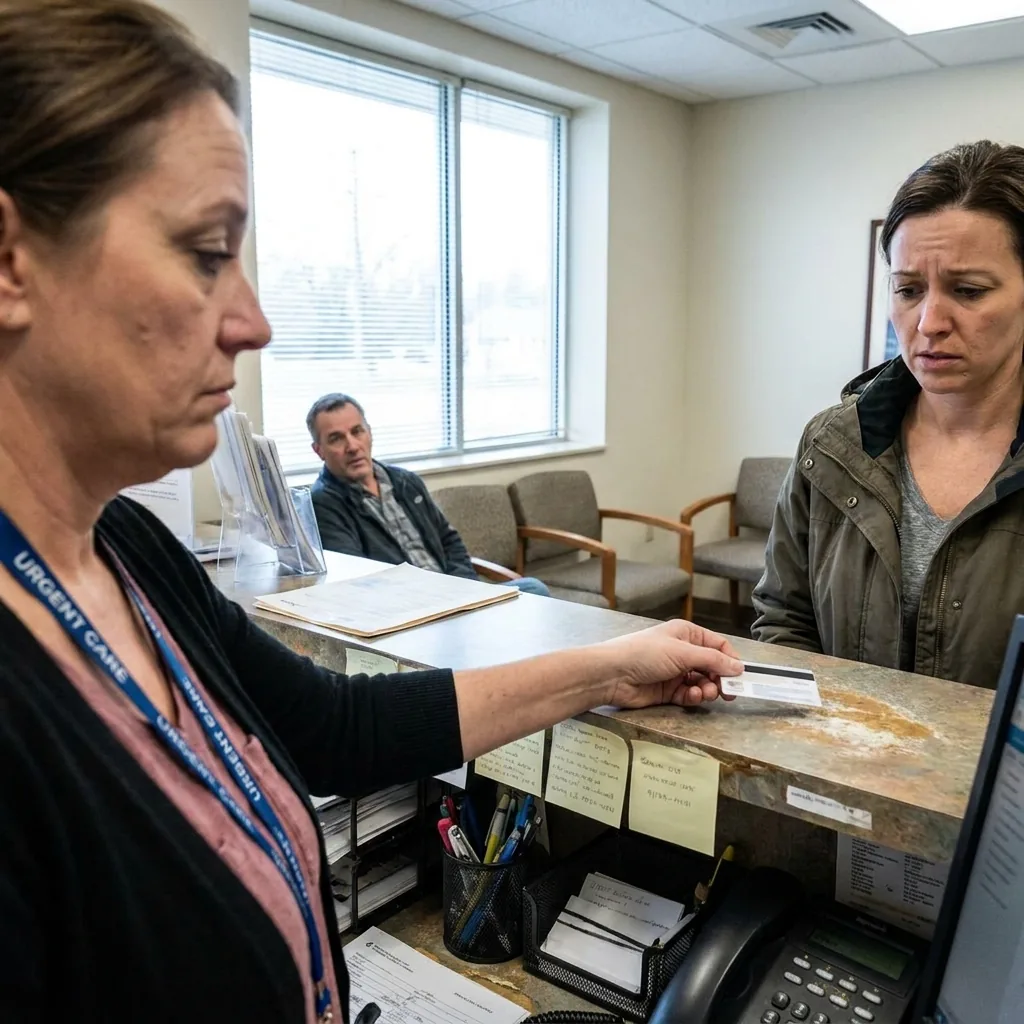
Dana Brooks slid Marisol Vega’s insurance card back across the urgent care counter like it had offended her. “No,” she said, loud enough for the waiting room to hear over the printer whine and the constant tap from the front desk screen. “That cannot be valid. The timing does not work.”
I was right there at the counter area, with the screen glow on my hands and the card still in view on the laminate ledge, and the first harm landed before anybody could lower their voice. Marisol had already put the card out, answered the intake questions, and waited while Dana typed it in. Dana’s face stayed flat, but her finger kept stabbing the monitor. She turned the screen toward me once, then toward Marisol, then back again, like the order on it might change if she pointed hard enough.
“What timing?” I asked.
Dana did not look at me. She kept her eyes on the screen and said, “The card shows up after the effective date window, but the record here is out of sequence. It is impossible for this to be active now.”
Marisol held both hands on the edge of the counter. Her wallet sat open beside her elbow, receipts folded inside it, and the card case lay empty on top of the napkin dispenser. She did not raise her voice. She just said, “It was mailed to me. The plan started this month. That’s what I was told.”
Dana pushed the card back again without taking it fully. “That is not what the system is showing.”
The room around us kept moving in little pieces. A kid in the waiting room dragged a magazine across the chair arm. Someone coughed near the vending machine. The printer spat out a label and stopped. At the counter, though, nothing moved except Dana’s fingers over the keys and the blinking cursor on the eligibility screen.
I asked for the sequence one more time because the screen had already changed twice and I wanted the same line read out loud. Dana clicked through the tabs and said, “Active date. Card issue date. Enrollment confirmation date. They do not line up.”
Marisol leaned in just far enough to read the header. Her card stayed on the counter, face up, the blue plan logo catching the overhead light. Dana kept tapping the same line with one nail. “If the card was issued after the eligibility effective date, then this should not scan as current.”
“It scanned,” I said.
That got a short look from her, the kind that ends a sentence before it starts. She turned the monitor toward me and ran it again. The scanner made the same clean beep it always made when the barcode was accepted. The screen flashed green, then shifted to the account line. Dana made a tight sound through her nose and clicked deeper into the record.
The next screen showed more lines, more dates, and a gap in the middle that did not match the story she was telling. I could see the timestamp order plain as day: the card print date, the plan start, the scan time, and then a prior entry stamped earlier than the first one she had just named. Dana saw it too, because her hand stopped moving for half a beat.
Then she started over. She read the same dates again, slower this time, and said the same thing with more force: “It still cannot be right.”
Marisol finally pulled the card back with two fingers. She checked the wallet again, like another copy might be tucked behind the receipts. It was not. She set the card beside her phone and said, “So what happens now?”
Dana did not answer that. She reached for the keyboard, kept her posture squared to the screen, and called for a supervisor in a tone that made it sound like this was a routine correction instead of a public stop sign. The screen stayed open on the same impossible sequence, the scanner still green, the dates still lined up wrong, and Dana kept saying the same line as if repetition could fix the order.
When Nina Patel said she would come up and do a routine verification, Dana’s face tightened once, just at the jaw. Nina was not at the counter yet, and Dana had already started speaking about the timestamps as if the answer were obvious. But the one thing the screen would not explain was this: if the card was not supposed to work, why did the system accept it the first time?
Dana Brooks slid Marisol Vega’s insurance card back across the urgent care counter like it had offended her. “No,” she said, loud enough for the waiting room to hear over the printer whine and the constant tap from the front desk screen. “That cannot be valid. The timing does not work.”
I was right there at the counter area, with the screen glow on my hands and the card still in view on the laminate ledge, and the first harm landed before anybody could lower their voice. Marisol had already put the card out, answered the intake questions, and waited while Dana typed it in. Dana’s face stayed flat, but her finger kept stabbing the monitor. She turned the screen toward me once, then toward Marisol, then back again, like the order on it might change if she pointed hard enough.
“What timing?” I asked.
Dana did not look at me. She kept her eyes on the screen and said, “The card shows up after the effective date window, but the record here is out of sequence. It is impossible for this to be active now.”
Marisol held both hands on the edge of the counter. Her wallet sat open beside her elbow, receipts folded inside it, and the card case lay empty on top of the napkin dispenser. She did not raise her voice. She just said, “It was mailed to me. The plan started this month. That’s what I was told.”
Dana pushed the card back again without taking it fully. “That is not what the system is showing.”
The room around us kept moving in little pieces. A kid in the waiting room dragged a magazine across the chair arm. Someone coughed near the vending machine. The printer spat out a label and stopped. At the counter, though, nothing moved except Dana’s fingers over the keys and the blinking cursor on the eligibility screen.
I asked for the sequence one more time because the screen had already changed twice and I wanted the same line read out loud. Dana clicked through the tabs and said, “Active date. Card issue date. Enrollment confirmation date. They do not line up.”
Marisol leaned in just far enough to read the header. Her card stayed on the counter, face up, the blue plan logo catching the overhead light. Dana kept tapping the same line with one nail. “If the card was issued after the eligibility effective date, then this should not scan as current.”
“It scanned,” I said.
That got a short look from her, the kind that ends a sentence before it starts. She turned the monitor toward me and ran it again. The scanner made the same clean beep it always made when the barcode was accepted. The screen flashed green, then shifted to the account line. Dana made a tight sound through her nose and clicked deeper into the record.
The next screen showed more lines, more dates, and a gap in the middle that did not match the story she was telling. I could see the timestamp order plain as day: the card print date, the plan start, the scan time, and then a prior entry stamped earlier than the first one she had just named. Dana saw it too, because her hand stopped moving for half a beat.
Then she started over. She read the same dates again, slower this time, and said the same thing with more force: “It still cannot be right.”
Marisol finally pulled the card back with two fingers. She checked the wallet again, like another copy might be tucked behind the receipts. It was not. She set the card beside her phone and said, “So what happens now?”
Dana did not answer that. She reached for the keyboard, kept her posture squared to the screen, and called for a supervisor in a tone that made it sound like this was a routine correction instead of a public stop sign. The screen stayed open on the same impossible sequence, the scanner still green, the dates still lined up wrong, and Dana kept saying the same line as if repetition could fix the order.
When Nina Patel said she would come up and do a routine verification, Dana’s face tightened once, just at the jaw. Nina was not at the counter yet, and Dana had already started speaking about the timestamps as if the answer were obvious. But the one thing the screen would not explain was this: if the card was not supposed to work, why did the system accept it the first time?