Story code: ST-000504
Part 1: He Presented My Tray Like It Was His
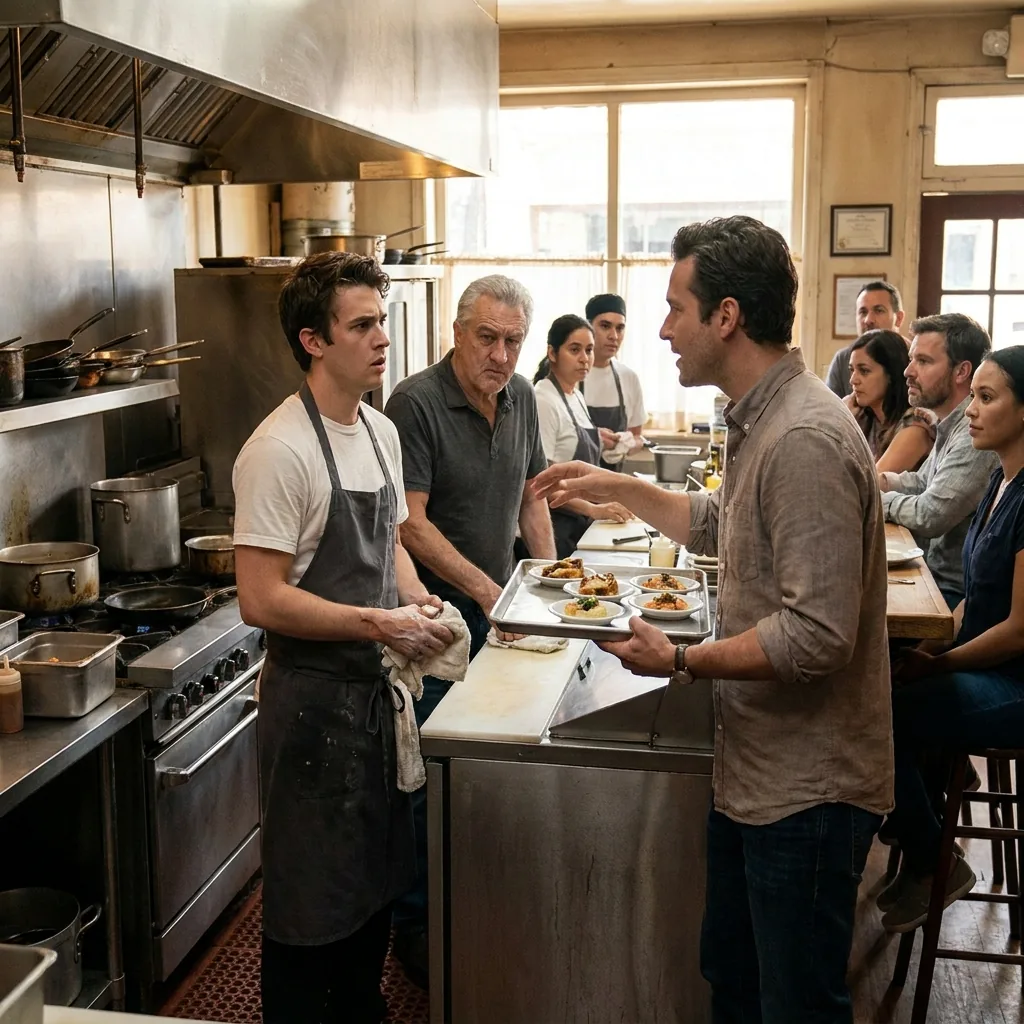
My cousin lifted my sample tray off the main work counter at Alvarez Family Restaurant and told a full room it was the signature concept for his startup before I could even wipe my hands. In less than a minute, a tray I had built through the lunch rush turned into Ethan Alvarez’s big innovation, and people started repeating his version while I was still standing by the garnish cups he had just reached across. The part that made it hard to interrupt right away was simple: he was holding the food, but he was already skipping details only the person who made it would know.
It happened during a packed test-service window, the kind where my aunt Rosa watched portions from the family table near the register while Luis called ticket times from expo. I had spent the morning building a sample tray for a possible new special: three mini flatbread wedges, two sliders cut clean through the center, a row of tasting spoons with the sauce set in the same order every time, and a crisp slaw garnish that had to go on last or it wilted.
I know exactly what left my hands because I lined it up myself on the prep shelf by the cold station before moving it to the counter. Sauce bottles on the left. Garnish cups on the right. Tasting spoons nested at the top edge. The tray was there for Janelle Park, one of our longtime suppliers, to taste after she dropped off product samples. Rosa had agreed to let me test it in real service because a menu idea does not mean anything in our place unless it can survive noise, tickets, and family commentary.
Ethan came in wearing a pressed shirt that looked more startup pitch than restaurant shift. He was not carrying bus tubs or checking orders. He made one lap through the dining room, stopped by the family table, and started using his smooth little phrases about scalable fresh concepts and cross-brand potential. I kept finishing plates because lunch orders were still coming in.
Then Janelle stepped up to the counter with Rosa right behind her.
Before I could slide the tray forward, Ethan put both hands under it and turned toward them like he was unveiling something at a trade show.
“This is what I’ve been developing,” he said. “A flexible sample format we could roll into catering, tastings, maybe even retail kits.”
Not we. Not the restaurant. Not Mia built this and I want feedback. Just him.
Rosa looked at the tray, then at him. Luis glanced over from the expo pass because Ethan had just planted himself in the lane where finished plates were supposed to move.
Janelle asked the first practical question fast. “What’s your per-tray food cost if you keep the proteins in two formats?”
Ethan smiled, still holding my tray. “We’re refining that side. The value is really in the presentation.”
That answer bought him maybe three seconds.
Rosa reached for one of the sliders and asked, “Can this be repeated on a Saturday without slowing the line?”
He shifted the tray in his hands and said, “Absolutely. It’s built for speed.”
I was two feet away, with the squeeze bottle still in my hand, listening to him sell speed on an item he had not assembled.
Luis called, “Runner for table twelve,” then added, “Need the pass clear.”
Ethan moved half a step, but not enough. He stayed in the center, still talking, and now one of the servers was looking at him like he had invented the lunch special by himself.
That was the visible damage right there. It was not abstract. Rosa decides who gets menu trust. Luis repeats what he hears in service. Staff remembers who stands at the counter with the food when praise lands. If his version settled in, I would be back to being the person who chopped herbs while somebody else got credited for building the item.
So I did not make a speech. I set down the bottle and answered the question Ethan had skipped.
“Food cost drops if the spoon sauces stay at three-quarter ounce,” I said. “Any more than that and the tray loses margin by the fourth order.”
Janelle looked at me, then back at him. “And the slaw?”
“Last touch only,” I said. “More than ninety seconds early and it softens.”
Ethan gave a quick laugh that sounded too polished for the kitchen and said, “Right, exactly. That’s part of the system.”
Part of the system. He said it like he had just remembered his own line.
Janelle sampled one spoon and nodded once. “What acid are you using in the green sauce?”
I did not answer immediately because the question had been aimed at Ethan.
He tapped the rim of the tray with one finger, looked at the sauce, and said, “Citrus-forward.”
Not lime. Not the blend. Not even a real answer.
Rosa’s eyes moved from his face to the prep shelf by the cold station where my ingredient tubs were still open in sequence. Luis set down a ticket rail marker and looked straight at the tray.
Then Ethan turned toward me without fully turning toward me and said, in front of all of them, “Mia, grab me the finishing salt and show Janelle the garnish pattern so we’re all on the same page.”
That was the first clean crack in his story. He had just claimed the tray as his concept, but now he needed my hands to explain what his mouth could not. I wiped my fingers on my apron, looked at the tray he was still presenting, and realized Part 2 was going to depend on one question nobody in that room had asked yet: if it was really his, why did he need me to tell him how to finish it?
My cousin lifted my sample tray off the main work counter at Alvarez Family Restaurant and told a full room it was the signature concept for his startup before I could even wipe my hands. In less than a minute, a tray I had built through the lunch rush turned into Ethan Alvarez’s big innovation, and people started repeating his version while I was still standing by the garnish cups he had just reached across. The part that made it hard to interrupt right away was simple: he was holding the food, but he was already skipping details only the person who made it would know.
It happened during a packed test-service window, the kind where my aunt Rosa watched portions from the family table near the register while Luis called ticket times from expo. I had spent the morning building a sample tray for a possible new special: three mini flatbread wedges, two sliders cut clean through the center, a row of tasting spoons with the sauce set in the same order every time, and a crisp slaw garnish that had to go on last or it wilted.
I know exactly what left my hands because I lined it up myself on the prep shelf by the cold station before moving it to the counter. Sauce bottles on the left. Garnish cups on the right. Tasting spoons nested at the top edge. The tray was there for Janelle Park, one of our longtime suppliers, to taste after she dropped off product samples. Rosa had agreed to let me test it in real service because a menu idea does not mean anything in our place unless it can survive noise, tickets, and family commentary.
Ethan came in wearing a pressed shirt that looked more startup pitch than restaurant shift. He was not carrying bus tubs or checking orders. He made one lap through the dining room, stopped by the family table, and started using his smooth little phrases about scalable fresh concepts and cross-brand potential. I kept finishing plates because lunch orders were still coming in.
Then Janelle stepped up to the counter with Rosa right behind her.
Before I could slide the tray forward, Ethan put both hands under it and turned toward them like he was unveiling something at a trade show.
“This is what I’ve been developing,” he said. “A flexible sample format we could roll into catering, tastings, maybe even retail kits.”
Not we. Not the restaurant. Not Mia built this and I want feedback. Just him.
Rosa looked at the tray, then at him. Luis glanced over from the expo pass because Ethan had just planted himself in the lane where finished plates were supposed to move.
Janelle asked the first practical question fast. “What’s your per-tray food cost if you keep the proteins in two formats?”
Ethan smiled, still holding my tray. “We’re refining that side. The value is really in the presentation.”
That answer bought him maybe three seconds.
Rosa reached for one of the sliders and asked, “Can this be repeated on a Saturday without slowing the line?”
He shifted the tray in his hands and said, “Absolutely. It’s built for speed.”
I was two feet away, with the squeeze bottle still in my hand, listening to him sell speed on an item he had not assembled.
Luis called, “Runner for table twelve,” then added, “Need the pass clear.”
Ethan moved half a step, but not enough. He stayed in the center, still talking, and now one of the servers was looking at him like he had invented the lunch special by himself.
That was the visible damage right there. It was not abstract. Rosa decides who gets menu trust. Luis repeats what he hears in service. Staff remembers who stands at the counter with the food when praise lands. If his version settled in, I would be back to being the person who chopped herbs while somebody else got credited for building the item.
So I did not make a speech. I set down the bottle and answered the question Ethan had skipped.
“Food cost drops if the spoon sauces stay at three-quarter ounce,” I said. “Any more than that and the tray loses margin by the fourth order.”
Janelle looked at me, then back at him. “And the slaw?”
“Last touch only,” I said. “More than ninety seconds early and it softens.”
Ethan gave a quick laugh that sounded too polished for the kitchen and said, “Right, exactly. That’s part of the system.”
Part of the system. He said it like he had just remembered his own line.
Janelle sampled one spoon and nodded once. “What acid are you using in the green sauce?”
I did not answer immediately because the question had been aimed at Ethan.
He tapped the rim of the tray with one finger, looked at the sauce, and said, “Citrus-forward.”
Not lime. Not the blend. Not even a real answer.
Rosa’s eyes moved from his face to the prep shelf by the cold station where my ingredient tubs were still open in sequence. Luis set down a ticket rail marker and looked straight at the tray.
Then Ethan turned toward me without fully turning toward me and said, in front of all of them, “Mia, grab me the finishing salt and show Janelle the garnish pattern so we’re all on the same page.”
That was the first clean crack in his story. He had just claimed the tray as his concept, but now he needed my hands to explain what his mouth could not. I wiped my fingers on my apron, looked at the tray he was still presenting, and realized Part 2 was going to depend on one question nobody in that room had asked yet: if it was really his, why did he need me to tell him how to finish it?