Story code: ST-000610
Part 1: The Screens Took Their Goodbye
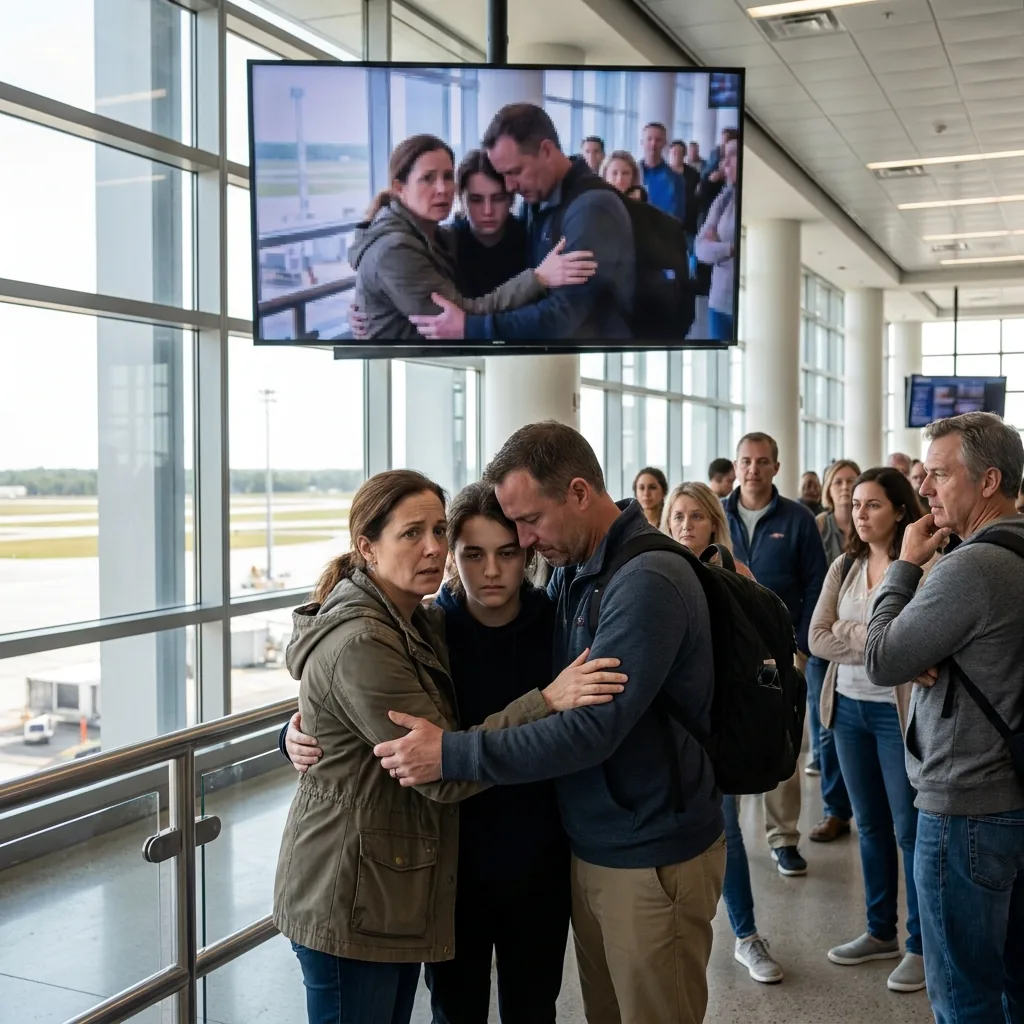
The mission sponsor put a family’s private goodbye on the terminal screens before they even reached final boarding, and the whole waiting bank at Orbital Gate 6 started treating them like a live scandal. I was restocking napkins by the beverage kiosk when heads lifted in the same direction, phones came up, and a teenage girl in a gray hoodie realized strangers were watching a clip of her family while her father still had their boarding passes in his hand. The worst part was that the first version made it look like the family had started the scene, and for about three minutes nobody in that room cared who had pushed it there. I work the hospitality side near the family gates, which mostly means strollers, water requests, motion-sick kids, and people asking where the better charging bar is. Departure days for the sponsored colony missions are louder. The sponsor logos run on the overhead display zone, media contractors hover near the branded wall, and every family tries to have one last private conversation in a place built to make privacy impossible. The Daltons had been keeping to themselves for most of the hour. Eli Dalton stood near the stanchions with three slim boarding passes fanned in one hand, checking the gate clock every few minutes. Renee Dalton had a tote over one shoulder and a paper folder tucked under her arm. Tessa stayed close beside her with her hood up, one hand around her own pass until her father said something low and she gave it back. Nothing about them stood out until people started reacting to screens that had not been showing them a minute earlier. At first I thought the overhead display had switched to another sponsor reel. Then I saw the framing. It wasn’t polished footage. It was vertical phone video, shaky and close. On the nearest mirrored screen above the charging bar, Renee was turning her body sideways like she was blocking the camera from Tessa. Tessa’s hood was half off. Eli reached across the frame and there was a flash of white from a boarding pass. Someone in the clip said, clear enough for the room to hear, “Don’t do this here.” A man by the charging stools laughed and said, “Well that’s one way to lose Mars.” Two college-age guys near the kiosk rewound the same clip on one of their phones before the overhead even looped it. The terminal group chat moved faster than I could track. A woman waiting with twins angled her screen toward her husband. Everywhere I looked, people were watching the Daltons while pretending they were only watching content. Renee looked up at the overhead, then snapped her gaze to the sponsor platform by the gate sign. Graham Sloane was standing there in his blue mission jacket with the silver patch on the sleeve, holding his phone chest-high. He had the same public smile he used for the local morning crews, but he was not speaking to the room yet. He was watching the room watch them. Renee crossed the tile so fast her tote slipped off her shoulder. “Take that down,” she said. Not shouted. Said, sharp enough to cut through all the little phone speakers. Graham lowered his phone a few inches. “Renee, let’s not make this bigger than it is.” “You already put it on the screens.” That made several nearby people look up again, like they needed confirmation that the person inside the clip was also standing in front of them. I moved toward the aisle because traffic was stopping. “Folks, please keep the path clear for boarding access.” That is what we’re trained to say when something is turning into a crowd. It sounded useless the second it left my mouth. Eli came over with the passes clenched in his fist. “We need the gate open,” he said to no one and everyone. “We need to get through.” A woman near the front seats said, “If they’re causing a disturbance, are they still cleared?” That was when the passes changed from travel documents into evidence. People were not asking whether the clip should exist. They were asking whether the family in the clip deserved those passes. Jules Kim, the security shift lead, came in from the threshold with two officers behind him. He did not rush. He never does. He put one open hand toward the crowd and one toward the sponsor platform. “Phones down from the aisle. Keep the lane open. Family, step with me to the side. Mr. Sloane, I need to know what we’re dealing with.” Graham’s voice went camera-smooth. “A family disagreement got posted out of context. We’re trying to keep everyone calm.” Renee laughed once, with no smile in it. “You posted it.” Graham didn’t answer her directly. He looked at Jules instead. “The concern is whether the boarding documents are secure. You can see Eli grabbing for them in the clip.” Eli opened his hand and showed the three passes like he was in a checkpoint already. “They’re ours.” On the overhead, the clip looped again. In that cropped version, all anyone saw was Eli lunging, Renee blocking, Tessa ducking away, and the white edge of a pass flashing between hands. It looked ugly. It looked exactly like the kind of scene strangers enjoy judging when they have twelve seconds and no stake in it. Then Tessa, who had not said more than a few words since I first noticed them, pulled her own phone from her hoodie pocket and stared at it hard enough that her whole posture changed. She stepped toward Jules, not Graham, and held the screen up with both hands. “That’s not where it starts,” she said. Jules checked the timestamp. Renee moved beside her. Eli stopped watching the gate clock for the first time. On Tessa’s screen, before anyone else could hear it, I caught the first frozen frame of another angle and Graham’s jacket sleeve already in shot. The clip on.
The mission sponsor put a family’s private goodbye on the terminal screens before they even reached final boarding, and the whole waiting bank at Orbital Gate 6 started treating them like a live scandal. I was restocking napkins by the beverage kiosk when heads lifted in the same direction, phones came up, and a teenage girl in a gray hoodie realized strangers were watching a clip of her family while her father still had their boarding passes in his hand. The worst part was that the first version made it look like the family had started the scene, and for about three minutes nobody in that room cared who had pushed it there. I work the hospitality side near the family gates, which mostly means strollers, water requests, motion-sick kids, and people asking where the better charging bar is. Departure days for the sponsored colony missions are louder. The sponsor logos run on the overhead display zone, media contractors hover near the branded wall, and every family tries to have one last private conversation in a place built to make privacy impossible. The Daltons had been keeping to themselves for most of the hour. Eli Dalton stood near the stanchions with three slim boarding passes fanned in one hand, checking the gate clock every few minutes. Renee Dalton had a tote over one shoulder and a paper folder tucked under her arm. Tessa stayed close beside her with her hood up, one hand around her own pass until her father said something low and she gave it back. Nothing about them stood out until people started reacting to screens that had not been showing them a minute earlier. At first I thought the overhead display had switched to another sponsor reel. Then I saw the framing. It wasn’t polished footage. It was vertical phone video, shaky and close. On the nearest mirrored screen above the charging bar, Renee was turning her body sideways like she was blocking the camera from Tessa. Tessa’s hood was half off. Eli reached across the frame and there was a flash of white from a boarding pass. Someone in the clip said, clear enough for the room to hear, “Don’t do this here.” A man by the charging stools laughed and said, “Well that’s one way to lose Mars.” Two college-age guys near the kiosk rewound the same clip on one of their phones before the overhead even looped it. The terminal group chat moved faster than I could track. A woman waiting with twins angled her screen toward her husband. Everywhere I looked, people were watching the Daltons while pretending they were only watching content. Renee looked up at the overhead, then snapped her gaze to the sponsor platform by the gate sign. Graham Sloane was standing there in his blue mission jacket with the silver patch on the sleeve, holding his phone chest-high. He had the same public smile he used for the local morning crews, but he was not speaking to the room yet. He was watching the room watch them. Renee crossed the tile so fast her tote slipped off her shoulder. “Take that down,” she said. Not shouted. Said, sharp enough to cut through all the little phone speakers. Graham lowered his phone a few inches. “Renee, let’s not make this bigger than it is.” “You already put it on the screens.” That made several nearby people look up again, like they needed confirmation that the person inside the clip was also standing in front of them. I moved toward the aisle because traffic was stopping. “Folks, please keep the path clear for boarding access.” That is what we’re trained to say when something is turning into a crowd. It sounded useless the second it left my mouth. Eli came over with the passes clenched in his fist. “We need the gate open,” he said to no one and everyone. “We need to get through.” A woman near the front seats said, “If they’re causing a disturbance, are they still cleared?” That was when the passes changed from travel documents into evidence. People were not asking whether the clip should exist. They were asking whether the family in the clip deserved those passes. Jules Kim, the security shift lead, came in from the threshold with two officers behind him. He did not rush. He never does. He put one open hand toward the crowd and one toward the sponsor platform. “Phones down from the aisle. Keep the lane open. Family, step with me to the side. Mr. Sloane, I need to know what we’re dealing with.” Graham’s voice went camera-smooth. “A family disagreement got posted out of context. We’re trying to keep everyone calm.” Renee laughed once, with no smile in it. “You posted it.” Graham didn’t answer her directly. He looked at Jules instead. “The concern is whether the boarding documents are secure. You can see Eli grabbing for them in the clip.” Eli opened his hand and showed the three passes like he was in a checkpoint already. “They’re ours.” On the overhead, the clip looped again. In that cropped version, all anyone saw was Eli lunging, Renee blocking, Tessa ducking away, and the white edge of a pass flashing between hands. It looked ugly. It looked exactly like the kind of scene strangers enjoy judging when they have twelve seconds and no stake in it. Then Tessa, who had not said more than a few words since I first noticed them, pulled her own phone from her hoodie pocket and stared at it hard enough that her whole posture changed. She stepped toward Jules, not Graham, and held the screen up with both hands. “That’s not where it starts,” she said. Jules checked the timestamp. Renee moved beside her. Eli stopped watching the gate clock for the first time. On Tessa’s screen, before anyone else could hear it, I caught the first frozen frame of another angle and Graham’s jacket sleeve already in shot. The clip on.