Story code: ST-000936
Part 1: The Tablet Always Landed in My Hands
Kendra Vale managed to turn one three-minute consent tap-through into a room-wide delay, and somehow I was the one standing there taking the blame from a patient who had done exactly what we asked. She had the implant consent tablet in her hands, right there at the intake station inside the room, and kept missing giant on-screen prompts like she had never seen the system before, even though she wore the same technician badge every day. By the time she pushed the tablet at me and said, “Can you just do this part, he’s getting confused,” Eli Torres was looking at me like I had been the one giving him mixed instructions all along.
That was the pattern in our clinic when a room jammed. Whoever was nearest got absorbed into it.
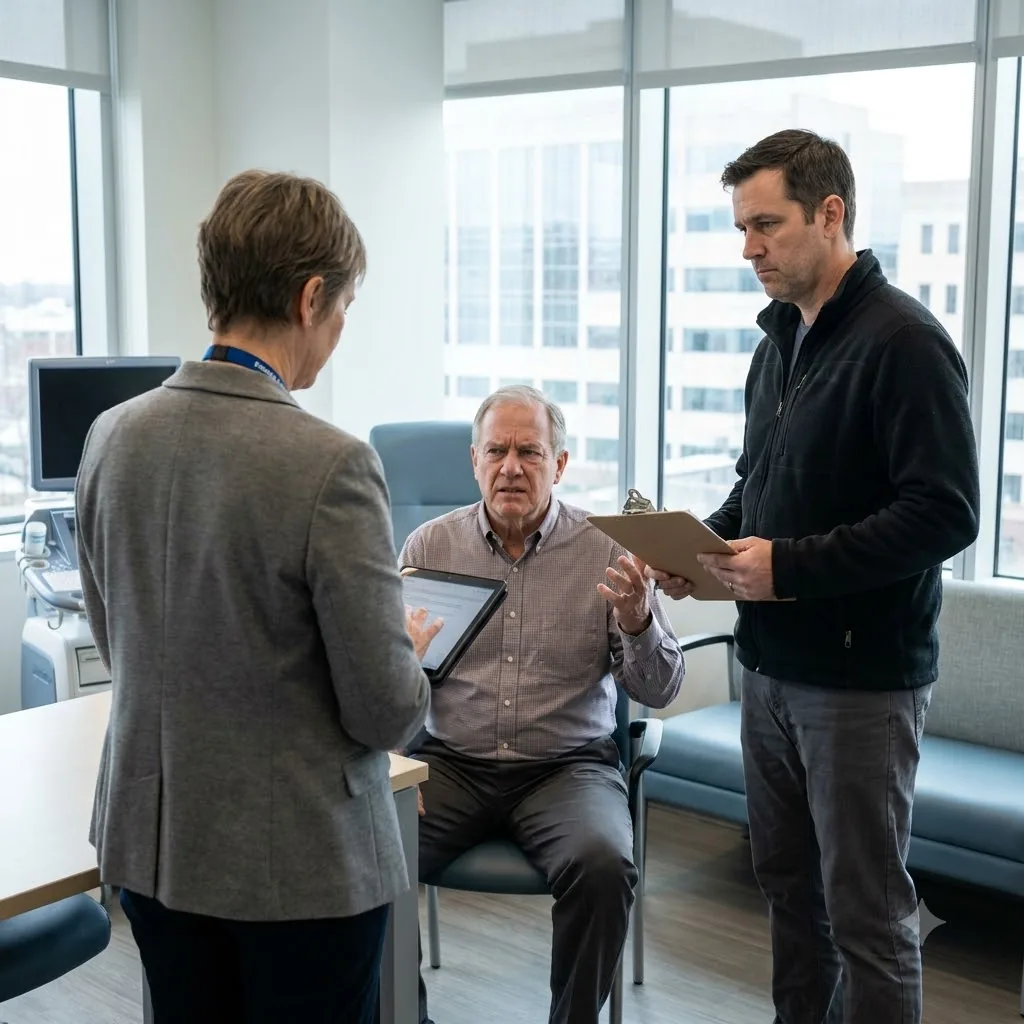
I was supposed to be helping with intake overflow, not running implant consent. The room had the procedure chair on one side, the small consent station bolted to the wall on the other, and the tablet sitting in its rubber case with the privacy filter darkening the screen from the side. Eli was already checked in, already seated, already trying to follow along. He had one hand on the chair arm and one hand half-lifted like he did not know whether he was allowed to touch the stylus.
Kendra stood beside him and tapped the wrong field twice.
The screen gave the same clear prompt both times. Patient acknowledgment first. Technician verification after. It was not hidden. It was not tiny. The buttons were large enough that patients in their seventies used them without trouble.
“It’s skipping on me,” Kendra said.
She tapped again, this time hitting the back arrow. The page flashed to the prior screen.
Eli looked from her to me. “Am I supposed to sign something first?”
“Not sign,” I said. “You read the consent page and answer the prompts on this screen.”
“Right, but she said don’t touch it yet.”
Kendra made a small sound through her nose and angled the tablet away from him. “Because it jumped. It keeps doing that. Mara, can you take this?”
She held it out without looking at me, like the handoff was already decided.
I took it because Eli was sitting there waiting and because once a patient gets stalled in intake, the whole schedule starts bending around that room. I rotated the tablet back toward him, reopened the page she had backed out of, and read the prompt in plain language.
“You’re just confirming you understand the implant intake steps before procedure scheduling continues,” I said. “If you have a question, ask it before you tap.”
Eli nodded once. “That’s all I was trying to do.”
Kendra stepped back toward the counter and adjusted her badge reel like she had been interrupted in the middle of something more important. “He got anxious when the screen froze.”
The screen had not frozen. I had watched it react instantly to every wrong tap.
Eli asked one basic question about whether the memory implant would be activated that day or at a later visit. I answered with the standard line we use in intake: today was consent and readiness, activation scheduling depended on the clinician. While I spoke, Kendra stayed in the room, but not near the screen. She was close enough to hear everything and far enough that the cleanup looked like mine.
That was the first harm every time. Not drama. Just labor sliding quietly onto somebody else.
I handed the stylus to Eli. He completed his acknowledgment. I advanced to the technician side and paused, because that section required the memory tech who started the intake path to confirm the education steps had been provided.
“Kendra,” I said, holding the tablet toward her. “I can’t complete your verification.”
She came back over with a flat look, tapped once in the wrong place again, and said, “See? I don’t know why this layout keeps changing on me.”
The layout had not changed in months.
She touched the screen a second time, slower, and still missed the obvious field. Then Dr. Naomi Park’s voice sounded from the hall asking if Room Three was clear for the next readiness check.
Kendra turned her head toward the door and answered before I could. “We got delayed because the patient needed extra explanation.”
That made Eli sit straighter in the chair. “I was just waiting for someone to tell me what to press.”
Dr. Park did not come all the way in. She looked at the tablet in my hands, then at Eli, then at Kendra. “Finish consent before I bring the next cart through,” she said, and moved on.
Kendra let out a short breath and finally took the tablet from me.
What caught me was not what she said. It was one clean movement with her thumb.
She swiped past the menu she had been fumbling with, opened the exact buried sub-screen she had claimed was “jumping,” corrected the field order in under a second, then seemed to remember I was watching. Her hand stopped. She blinked at the screen, tapped the edge of the case like the tablet had surprised her, and went right back to that careful, clumsy routine.
It lasted maybe two seconds.
Too fast for a beginner. Too exact to be random.
Then she pushed the tablet back toward me again and said, “Can you just stay and help with these from now on? You’re better at calming them down.”
She said it like the problem in that room had been Eli.
I looked at the screen, at the path she had opened without hesitation and then abandoned, and I realized the weirdest part was not that she kept failing in public. It was that every so often, her hands forgot to fail.
Kendra Vale managed to turn one three-minute consent tap-through into a room-wide delay, and somehow I was the one standing there taking the blame from a patient who had done exactly what we asked. She had the implant consent tablet in her hands, right there at the intake station inside the room, and kept missing giant on-screen prompts like she had never seen the system before, even though she wore the same technician badge every day. By the time she pushed the tablet at me and said, “Can you just do this part, he’s getting confused,” Eli Torres was looking at me like I had been the one giving him mixed instructions all along.
That was the pattern in our clinic when a room jammed. Whoever was nearest got absorbed into it.
I was supposed to be helping with intake overflow, not running implant consent. The room had the procedure chair on one side, the small consent station bolted to the wall on the other, and the tablet sitting in its rubber case with the privacy filter darkening the screen from the side. Eli was already checked in, already seated, already trying to follow along. He had one hand on the chair arm and one hand half-lifted like he did not know whether he was allowed to touch the stylus.
Kendra stood beside him and tapped the wrong field twice.
The screen gave the same clear prompt both times. Patient acknowledgment first. Technician verification after. It was not hidden. It was not tiny. The buttons were large enough that patients in their seventies used them without trouble.
“It’s skipping on me,” Kendra said.
She tapped again, this time hitting the back arrow. The page flashed to the prior screen.
Eli looked from her to me. “Am I supposed to sign something first?”
“Not sign,” I said. “You read the consent page and answer the prompts on this screen.”
“Right, but she said don’t touch it yet.”
Kendra made a small sound through her nose and angled the tablet away from him. “Because it jumped. It keeps doing that. Mara, can you take this?”
She held it out without looking at me, like the handoff was already decided.
I took it because Eli was sitting there waiting and because once a patient gets stalled in intake, the whole schedule starts bending around that room. I rotated the tablet back toward him, reopened the page she had backed out of, and read the prompt in plain language.
“You’re just confirming you understand the implant intake steps before procedure scheduling continues,” I said. “If you have a question, ask it before you tap.”
Eli nodded once. “That’s all I was trying to do.”
Kendra stepped back toward the counter and adjusted her badge reel like she had been interrupted in the middle of something more important. “He got anxious when the screen froze.”
The screen had not frozen. I had watched it react instantly to every wrong tap.
Eli asked one basic question about whether the memory implant would be activated that day or at a later visit. I answered with the standard line we use in intake: today was consent and readiness, activation scheduling depended on the clinician. While I spoke, Kendra stayed in the room, but not near the screen. She was close enough to hear everything and far enough that the cleanup looked like mine.
That was the first harm every time. Not drama. Just labor sliding quietly onto somebody else.
I handed the stylus to Eli. He completed his acknowledgment. I advanced to the technician side and paused, because that section required the memory tech who started the intake path to confirm the education steps had been provided.
“Kendra,” I said, holding the tablet toward her. “I can’t complete your verification.”
She came back over with a flat look, tapped once in the wrong place again, and said, “See? I don’t know why this layout keeps changing on me.”
The layout had not changed in months.
She touched the screen a second time, slower, and still missed the obvious field. Then Dr. Naomi Park’s voice sounded from the hall asking if Room Three was clear for the next readiness check.
Kendra turned her head toward the door and answered before I could. “We got delayed because the patient needed extra explanation.”
That made Eli sit straighter in the chair. “I was just waiting for someone to tell me what to press.”
Dr. Park did not come all the way in. She looked at the tablet in my hands, then at Eli, then at Kendra. “Finish consent before I bring the next cart through,” she said, and moved on.
Kendra let out a short breath and finally took the tablet from me.
What caught me was not what she said. It was one clean movement with her thumb.
She swiped past the menu she had been fumbling with, opened the exact buried sub-screen she had claimed was “jumping,” corrected the field order in under a second, then seemed to remember I was watching. Her hand stopped. She blinked at the screen, tapped the edge of the case like the tablet had surprised her, and went right back to that careful, clumsy routine.
It lasted maybe two seconds.
Too fast for a beginner. Too exact to be random.
Then she pushed the tablet back toward me again and said, “Can you just stay and help with these from now on? You’re better at calming them down.”
She said it like the problem in that room had been Eli.
I looked at the screen, at the path she had opened without hesitation and then abandoned, and I realized the weirdest part was not that she kept failing in public. It was that every so often, her hands forgot to fail.