Story code: ST-000960
Part 1: He Started Listing Prices Before I Touched the Form
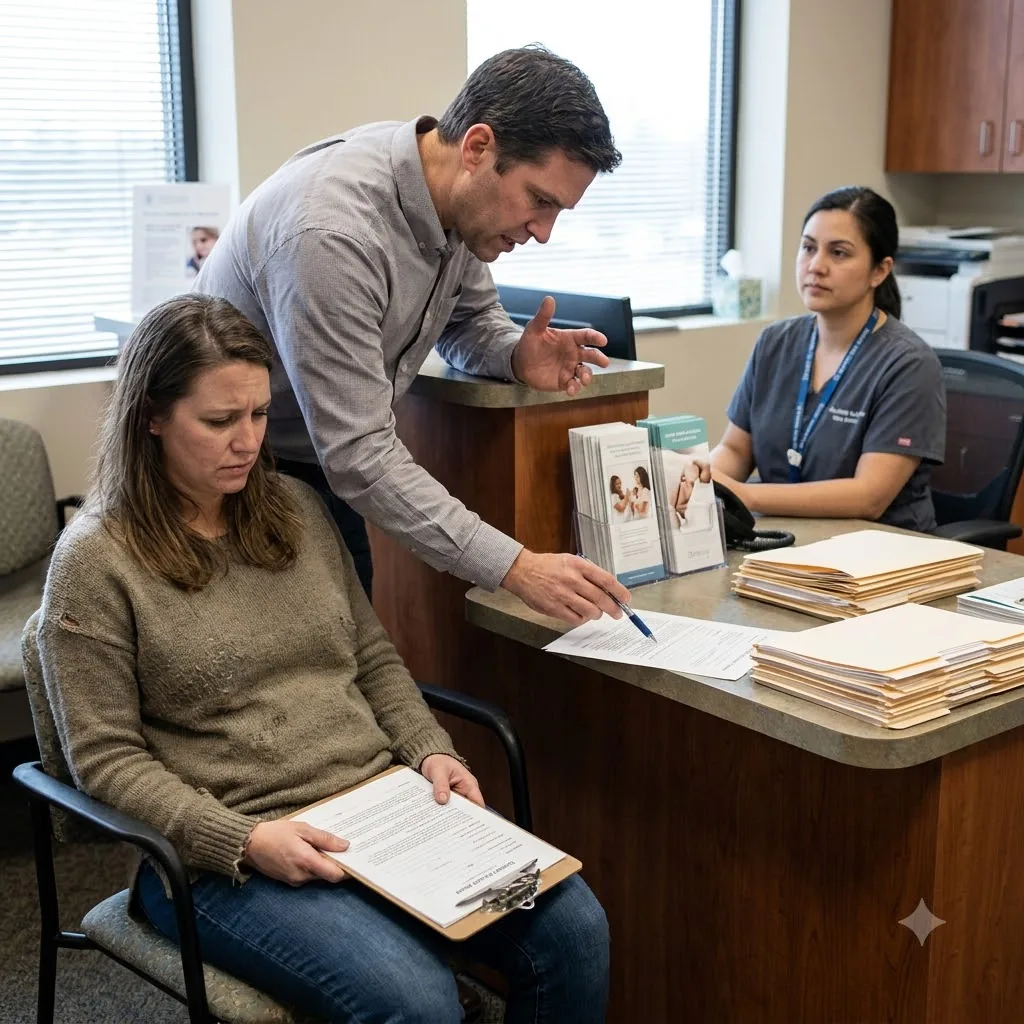
Ethan started listing dollar amounts while I was holding the embryo consent form at the small desk area in BrightPath Fertility Center, like he was reading a restaurant receipt instead of talking about my body. He kept his voice low and calm while patients flipped magazines in the waiting area behind us and a machine hummed near the coffee station, and then he said, “After everything I paid for, you do owe me this part.” I was standing there with a clinic pen in my hand, staring at a form about our embryos, and realizing he was trying to turn one IVF cycle into a debt I had never agreed to.
Dana Ruiz had just set the clipboard in front of me and said she would give us a minute before coming back. She had pointed to the lines that needed initials and explained, in plain language, that the form covered storage, future use, and what would happen under different circumstances. She did not rush me. She said, “Take your time and read every section. If either of you has questions, I can go over it again.” Then she stepped away down the hallway outside the consult rooms with another folder tucked against her hip.
The second she was out of earshot, Ethan moved closer to my shoulder and started reciting.
“The retrieval meds,” he said quietly. “The monitoring appointments your insurance kicked back. The hotel when they changed your procedure time. The last cycle that almost didn’t happen because your card got declined. Should I keep going?”
I kept my eyes on the page because I knew if I looked at him too fast, the conversation would get bigger than I wanted it to get in the middle of a clinic. The form had blocks of typed text and neat empty lines waiting for initials. My name was printed near the top. So was his.
“This isn’t a bill,” I said.
“No, it’s the decision that comes after the bill,” he said.
He said it like that was reasonable.
I turned the page and read the next section again because the words were easier to deal with than his voice. Disposition. Continued storage. Transfer with mutual consent. No action without signatures. The language was careful and clinical in a way I suddenly appreciated. Nothing on the page sounded anything like what Ethan was saying beside me.
He leaned one hand on the edge of the desk. “I’m not trying to fight with you in here. I’m trying to remind you what got us here.”
Us. That word was doing a lot of work.
I asked, “Remind me of what?”
“That I carried this when you couldn’t.” He nodded toward the paperwork. “So don’t act like I don’t get a say now.”
He already had a say. The form itself made that clear. That was part of what made his performance so slippery. He was talking like I was denying him basic participation, when what he wanted was something else entirely. He wanted me to treat the money he kept naming as ownership. Not legal ownership. Not anything he would say out loud in front of staff. Something softer and uglier. Moral ownership.
I put the pen down.
He noticed immediately. “Megan.”
I hate the way my name sounds when somebody uses it like a warning in public.
I said, very evenly, “I’m reading it.”
“You’ve read it three times.”
“Then you know I’m not signing blind.”
His jaw shifted once. “I’m asking for fairness.”
That word was worse than the dollar amounts.
A woman across the waiting area laughed at something on her phone. Someone at the front desk asked for an ID. A printer started up. Everything around us sounded normal enough that if anyone glanced over, they would have seen a man in a button-down shirt standing beside his partner during clinic paperwork. Helpful. Present. Responsible.
He lowered his voice even more. “You said you wanted to keep going. You said this mattered more than anything. I made that happen. So don’t freeze now when it’s time to make choices like an adult.”
I finally looked at him. “You made one cycle happen. That doesn’t mean you bought the outcome.”
His expression stayed smooth, but his fingers tapped once against the billing folder he had brought with him. He had brought that folder into the clinic on purpose. It was stuffed with treatment estimate printouts, old payment confirmations, pharmacy receipts. I had seen him organize it at home and assumed he was trying to stay ahead of the costs because fertility treatment trains you to expect paperwork from every direction.
Standing there, I saw the folder differently.
He followed my eyes and said, “I keep records because somebody has to.”
“Of the treatment?” I asked. “Or of what you think I owe you?”
He gave a short smile with no humor in it. “If you want to make it sound ugly, that’s on you.”
Dana came back down the hall before I answered. She stopped beside us with another clipboard and asked, “How are we doing? Any questions before I grab Dr. Shah?”
I opened my mouth, but Ethan answered first.
“We’re fine,” he said. “She just gets overwhelmed with forms.”
Dana’s eyes moved to me, not him. “We can always use a private consult room if you want more time. No rush.”
I said, “I’m still reading.”
“Of course,” she said, and set the extra folder down.
Ethan waited until she was a few steps away again before speaking. “Don’t do that thing where you make me sound controlling because I supported you.”
Supported me.
I looked at the billing folder, then at the embryo consent form with both our names on it, and one ugly little contradiction started pushing through all his careful wording. If all that money was supposed to prove he had rescued me, why had every dollar also protected his place in this process just as much as mine?
Ethan started listing dollar amounts while I was holding the embryo consent form at the small desk area in BrightPath Fertility Center, like he was reading a restaurant receipt instead of talking about my body. He kept his voice low and calm while patients flipped magazines in the waiting area behind us and a machine hummed near the coffee station, and then he said, “After everything I paid for, you do owe me this part.” I was standing there with a clinic pen in my hand, staring at a form about our embryos, and realizing he was trying to turn one IVF cycle into a debt I had never agreed to.
Dana Ruiz had just set the clipboard in front of me and said she would give us a minute before coming back. She had pointed to the lines that needed initials and explained, in plain language, that the form covered storage, future use, and what would happen under different circumstances. She did not rush me. She said, “Take your time and read every section. If either of you has questions, I can go over it again.” Then she stepped away down the hallway outside the consult rooms with another folder tucked against her hip.
The second she was out of earshot, Ethan moved closer to my shoulder and started reciting.
“The retrieval meds,” he said quietly. “The monitoring appointments your insurance kicked back. The hotel when they changed your procedure time. The last cycle that almost didn’t happen because your card got declined. Should I keep going?”
I kept my eyes on the page because I knew if I looked at him too fast, the conversation would get bigger than I wanted it to get in the middle of a clinic. The form had blocks of typed text and neat empty lines waiting for initials. My name was printed near the top. So was his.
“This isn’t a bill,” I said.
“No, it’s the decision that comes after the bill,” he said.
He said it like that was reasonable.
I turned the page and read the next section again because the words were easier to deal with than his voice. Disposition. Continued storage. Transfer with mutual consent. No action without signatures. The language was careful and clinical in a way I suddenly appreciated. Nothing on the page sounded anything like what Ethan was saying beside me.
He leaned one hand on the edge of the desk. “I’m not trying to fight with you in here. I’m trying to remind you what got us here.”
Us. That word was doing a lot of work.
I asked, “Remind me of what?”
“That I carried this when you couldn’t.” He nodded toward the paperwork. “So don’t act like I don’t get a say now.”
He already had a say. The form itself made that clear. That was part of what made his performance so slippery. He was talking like I was denying him basic participation, when what he wanted was something else entirely. He wanted me to treat the money he kept naming as ownership. Not legal ownership. Not anything he would say out loud in front of staff. Something softer and uglier. Moral ownership.
I put the pen down.
He noticed immediately. “Megan.”
I hate the way my name sounds when somebody uses it like a warning in public.
I said, very evenly, “I’m reading it.”
“You’ve read it three times.”
“Then you know I’m not signing blind.”
His jaw shifted once. “I’m asking for fairness.”
That word was worse than the dollar amounts.
A woman across the waiting area laughed at something on her phone. Someone at the front desk asked for an ID. A printer started up. Everything around us sounded normal enough that if anyone glanced over, they would have seen a man in a button-down shirt standing beside his partner during clinic paperwork. Helpful. Present. Responsible.
He lowered his voice even more. “You said you wanted to keep going. You said this mattered more than anything. I made that happen. So don’t freeze now when it’s time to make choices like an adult.”
I finally looked at him. “You made one cycle happen. That doesn’t mean you bought the outcome.”
His expression stayed smooth, but his fingers tapped once against the billing folder he had brought with him. He had brought that folder into the clinic on purpose. It was stuffed with treatment estimate printouts, old payment confirmations, pharmacy receipts. I had seen him organize it at home and assumed he was trying to stay ahead of the costs because fertility treatment trains you to expect paperwork from every direction.
Standing there, I saw the folder differently.
He followed my eyes and said, “I keep records because somebody has to.”
“Of the treatment?” I asked. “Or of what you think I owe you?”
He gave a short smile with no humor in it. “If you want to make it sound ugly, that’s on you.”
Dana came back down the hall before I answered. She stopped beside us with another clipboard and asked, “How are we doing? Any questions before I grab Dr. Shah?”
I opened my mouth, but Ethan answered first.
“We’re fine,” he said. “She just gets overwhelmed with forms.”
Dana’s eyes moved to me, not him. “We can always use a private consult room if you want more time. No rush.”
I said, “I’m still reading.”
“Of course,” she said, and set the extra folder down.
Ethan waited until she was a few steps away again before speaking. “Don’t do that thing where you make me sound controlling because I supported you.”
Supported me.
I looked at the billing folder, then at the embryo consent form with both our names on it, and one ugly little contradiction started pushing through all his careful wording. If all that money was supposed to prove he had rescued me, why had every dollar also protected his place in this process just as much as mine?