Story code: ST-001047
Part 1: She Said I Wanted Her Future
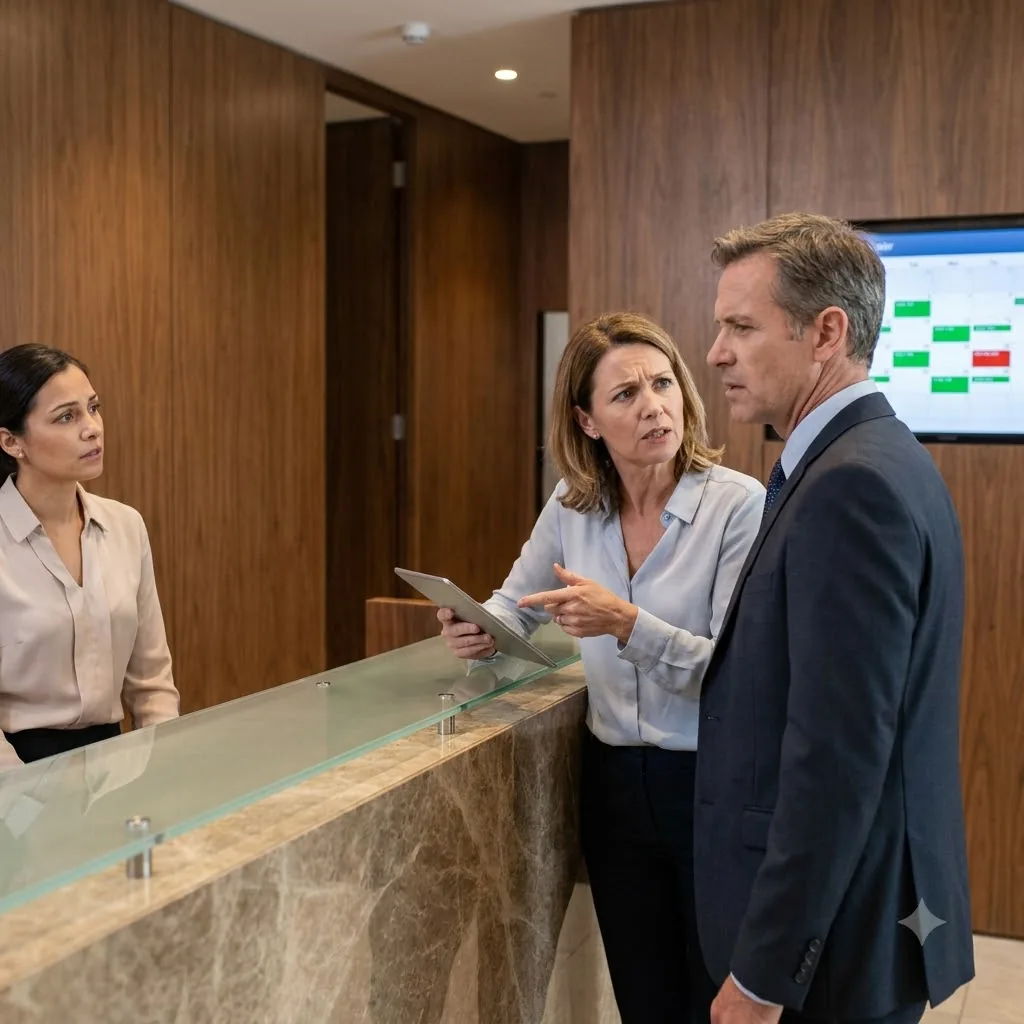
My mother accused me of trying to steal her future while I was the one holding her upright in the hallway outside her treatment room. I had her insulated vial case tucked under one arm, my phone open to her medication times, and my other hand under her elbow because her heels kept sliding on the polished clinic floor. She said it loud enough for the nurse at intake, a family friend near reception, and my cousin Graham to hear, and the worst part was that everyone looked at me like the case in my hand proved her point. The clinic was one of those private places that never called itself a spa but used the same soft lighting and pale stone counters. There were glass carafes of cucumber water on a side table and framed abstracts on the walls, like wealth had its own approved color palette. My mother, Celeste Vale, fit right into it in a cream coat and a silk scarf tied neatly at her throat, even with her clinic wristband on. I did not. I had a canvas tote full of the things she always forgot she needed until the exact second she needed them. Reading glasses. Appointment packet. Protein crackers. Backup charger. The printed timing sheet from her last visit with handwritten notes in my pen. The vial case mattered most. The nurse at the medication handling station had checked the seal in front of me and said, very clearly, “Keep this with you. Don’t leave it in the waiting area, and don’t let it sit out. We’ll log handoff when Ms. Vale is called.” I said, “Got it.” My mother had been quiet for that part. She let me take the case because the nurse had handed it to me. Then we got to the hallway, her step slowed, and she leaned against me harder. I adjusted my grip and said, “We have about twelve minutes before they call you. Do you want water first or to sit?” She pulled her arm away like I had pinched her. “Stop hovering,” she said. I lowered my hand. “I’m trying to get you to the chair.” Graham was a few feet away, pretending to check messages while still watching everything. Near him was Darlene Mercer, one of my mother’s charity board friends, with a white leather purse on her shoulder and that polite clinic smile people wear when they want to be seen being discreet. My mother looked at both of them before she looked at me. “She keeps inserting herself into my treatment,” she said. “Every appointment, every decision. Carrying things, tracking things, answering for me. It’s like she wants control over my care before I’m even gone.” I stared at her because for a second I honestly thought I had missed a step in the conversation. There had been no conversation. There had been a hallway, a slipping heel, and me trying to stop her from falling. “Mom,” I said, because I could hear the nurse’s shoes behind us and I did not want a scene, “the clinic told me to keep the case with me.” She gave a short laugh with no smile in it. “See? The case. The schedule. The little lists. She acts like she owns my treatment because she’s useful for errands.” Darlene made that tiny mouth movement people make when they don’t want to get involved but are still collecting details. Graham finally looked up from his phone and said, “Erin, maybe back off a little. She’s saying she feels managed.” Managed. That was a nice clean word for the work nobody else was doing. At home I was the one setting timers because some things had to be taken within a window. I was the one checking the insulated packs when deliveries came. I was the one hearing, “Can you just handle this one thing for me,” until the one thing became the whole day. But in that hallway, in front of polished strangers and polished relatives, it turned into ambition. Nadia Chen, the nurse who had checked us in earlier, came down the hall with a tablet in one hand. She had that measured clinic expression that never gave you much. “Ms. Vale, we’re almost ready for you,” she said. My mother touched two fingers to her collarbone and said, “I need it noted that my daughter has been overstepping regarding my treatment materials.” There it was. Not just a jab. Not just another family performance. A statement aimed directly at staff. Nadia’s eyes moved to the vial case under my arm. “At the moment, the support person is the documented holder pending room transfer.” My mother turned to her. “Documented by whom?” “By intake protocol,” Nadia said. Graham stepped closer, like now that the words had become official he needed to stand on the right side of them. “If Celeste is uncomfortable, shouldn’t that be enough?” I could feel people in the nearby seating area listening without looking. The sound machine in the corner hummed. Someone stirred tea with a little metal spoon. My mother’s scarf was still perfectly smooth. I said, “I haven’t taken anything from her. I brought her here, I checked her in, and I’m carrying what your staff handed me.” My mother lifted one shoulder. “That’s exactly how people start. By making themselves indispensable.” Nadia did not answer right away. She tapped something on the tablet, then held out her hand to me. “For now, I’ll take the case at transfer.” I passed it over because I was not going to be the one who made a nurse ask twice. She checked the seal again in front of us. Her eyes went to the barcode, then to the screen. Her thumb paused. It was quick, but I saw it. She looked back up and her voice stayed even. “Ms. Vale, I need to confirm something in your care log before we proceed.” My mother’s chin lifted. “Confirm what?” Nadia angled the case.
My mother accused me of trying to steal her future while I was the one holding her upright in the hallway outside her treatment room. I had her insulated vial case tucked under one arm, my phone open to her medication times, and my other hand under her elbow because her heels kept sliding on the polished clinic floor. She said it loud enough for the nurse at intake, a family friend near reception, and my cousin Graham to hear, and the worst part was that everyone looked at me like the case in my hand proved her point. The clinic was one of those private places that never called itself a spa but used the same soft lighting and pale stone counters. There were glass carafes of cucumber water on a side table and framed abstracts on the walls, like wealth had its own approved color palette. My mother, Celeste Vale, fit right into it in a cream coat and a silk scarf tied neatly at her throat, even with her clinic wristband on. I did not. I had a canvas tote full of the things she always forgot she needed until the exact second she needed them. Reading glasses. Appointment packet. Protein crackers. Backup charger. The printed timing sheet from her last visit with handwritten notes in my pen. The vial case mattered most. The nurse at the medication handling station had checked the seal in front of me and said, very clearly, “Keep this with you. Don’t leave it in the waiting area, and don’t let it sit out. We’ll log handoff when Ms. Vale is called.” I said, “Got it.” My mother had been quiet for that part. She let me take the case because the nurse had handed it to me. Then we got to the hallway, her step slowed, and she leaned against me harder. I adjusted my grip and said, “We have about twelve minutes before they call you. Do you want water first or to sit?” She pulled her arm away like I had pinched her. “Stop hovering,” she said. I lowered my hand. “I’m trying to get you to the chair.” Graham was a few feet away, pretending to check messages while still watching everything. Near him was Darlene Mercer, one of my mother’s charity board friends, with a white leather purse on her shoulder and that polite clinic smile people wear when they want to be seen being discreet. My mother looked at both of them before she looked at me. “She keeps inserting herself into my treatment,” she said. “Every appointment, every decision. Carrying things, tracking things, answering for me. It’s like she wants control over my care before I’m even gone.” I stared at her because for a second I honestly thought I had missed a step in the conversation. There had been no conversation. There had been a hallway, a slipping heel, and me trying to stop her from falling. “Mom,” I said, because I could hear the nurse’s shoes behind us and I did not want a scene, “the clinic told me to keep the case with me.” She gave a short laugh with no smile in it. “See? The case. The schedule. The little lists. She acts like she owns my treatment because she’s useful for errands.” Darlene made that tiny mouth movement people make when they don’t want to get involved but are still collecting details. Graham finally looked up from his phone and said, “Erin, maybe back off a little. She’s saying she feels managed.” Managed. That was a nice clean word for the work nobody else was doing. At home I was the one setting timers because some things had to be taken within a window. I was the one checking the insulated packs when deliveries came. I was the one hearing, “Can you just handle this one thing for me,” until the one thing became the whole day. But in that hallway, in front of polished strangers and polished relatives, it turned into ambition. Nadia Chen, the nurse who had checked us in earlier, came down the hall with a tablet in one hand. She had that measured clinic expression that never gave you much. “Ms. Vale, we’re almost ready for you,” she said. My mother touched two fingers to her collarbone and said, “I need it noted that my daughter has been overstepping regarding my treatment materials.” There it was. Not just a jab. Not just another family performance. A statement aimed directly at staff. Nadia’s eyes moved to the vial case under my arm. “At the moment, the support person is the documented holder pending room transfer.” My mother turned to her. “Documented by whom?” “By intake protocol,” Nadia said. Graham stepped closer, like now that the words had become official he needed to stand on the right side of them. “If Celeste is uncomfortable, shouldn’t that be enough?” I could feel people in the nearby seating area listening without looking. The sound machine in the corner hummed. Someone stirred tea with a little metal spoon. My mother’s scarf was still perfectly smooth. I said, “I haven’t taken anything from her. I brought her here, I checked her in, and I’m carrying what your staff handed me.” My mother lifted one shoulder. “That’s exactly how people start. By making themselves indispensable.” Nadia did not answer right away. She tapped something on the tablet, then held out her hand to me. “For now, I’ll take the case at transfer.” I passed it over because I was not going to be the one who made a nurse ask twice. She checked the seal again in front of us. Her eyes went to the barcode, then to the screen. Her thumb paused. It was quick, but I saw it. She looked back up and her voice stayed even. “Ms. Vale, I need to confirm something in your care log before we proceed.” My mother’s chin lifted. “Confirm what?” Nadia angled the case.