Story code: ST-001254
Part 4: The Boundary Lock
I did not sign the transfer form. Instead, I accessed the shared network administration panel. Under our company’s document control protocols, the original creator of a directory could apply an ‘Author-Lock’ to protect intellectual property before a final client delivery. It was a standard feature designed to prevent accidental overwrites, but it served another purpose today.
I checked the boxes restricting edit permissions to my user ID only. I set a security parameter that required my active digital credentials to launch the presentation mode or export the slides. Any attempt to bypass the lock or forcibly reassign ownership would automatically trigger a system notification to the division’s compliance auditor, documenting the exact version history-including the weekend’s empty logs.
Ten minutes before the client presentation the next morning, I walked down the hall to Marcus’s office. I didn’t call a meeting with the board. I didn’t send a mass email to the team. I simply knocked on his door, stepped inside, and closed it behind me.
Marcus was standing by his window, holding a stack of printed notes. He looked up, his brow furrowing as he saw me. “Logan, we are about to start. Did you sign the transfer? I can’t access the presentation file on the shared drive.”
I walked over to his desk and laid two printed sheets of paper onto the polished wood. The first was the system metadata log showing zero edits, saves, or views from his user ID between Friday afternoon and Monday morning. The second was the color printout of the Scottsdale golf resort photo, complete with the timestamp.
Marcus looked down at the papers. The color drained from his face, leaving him pale under the fluorescent office lights. He opened his mouth to speak, but no sound came out. He set his notes down on the desk, his hand shaking slightly.
“The Q3 strategy folder is locked,” I said, my voice quiet and steady. “Only my credentials can open the presentation deck in the conference room. I am not going to share these logs with the VP, and I am not going to bring them up in the staff meeting. But I am going to lead the presentation today, and my name will remain as the sole author on the title slide. You will introduce me to the client, and then you will let me present my work.”
Marcus stared at the photo of himself holding a drink in the desert sun. He swallowed hard, his defensive bluster completely gone. “Logan, let’s not make a scene. We can work this out internally.”
“We just did,” I said. “The presentation starts in five minutes. I’ll see you in the conference room.”
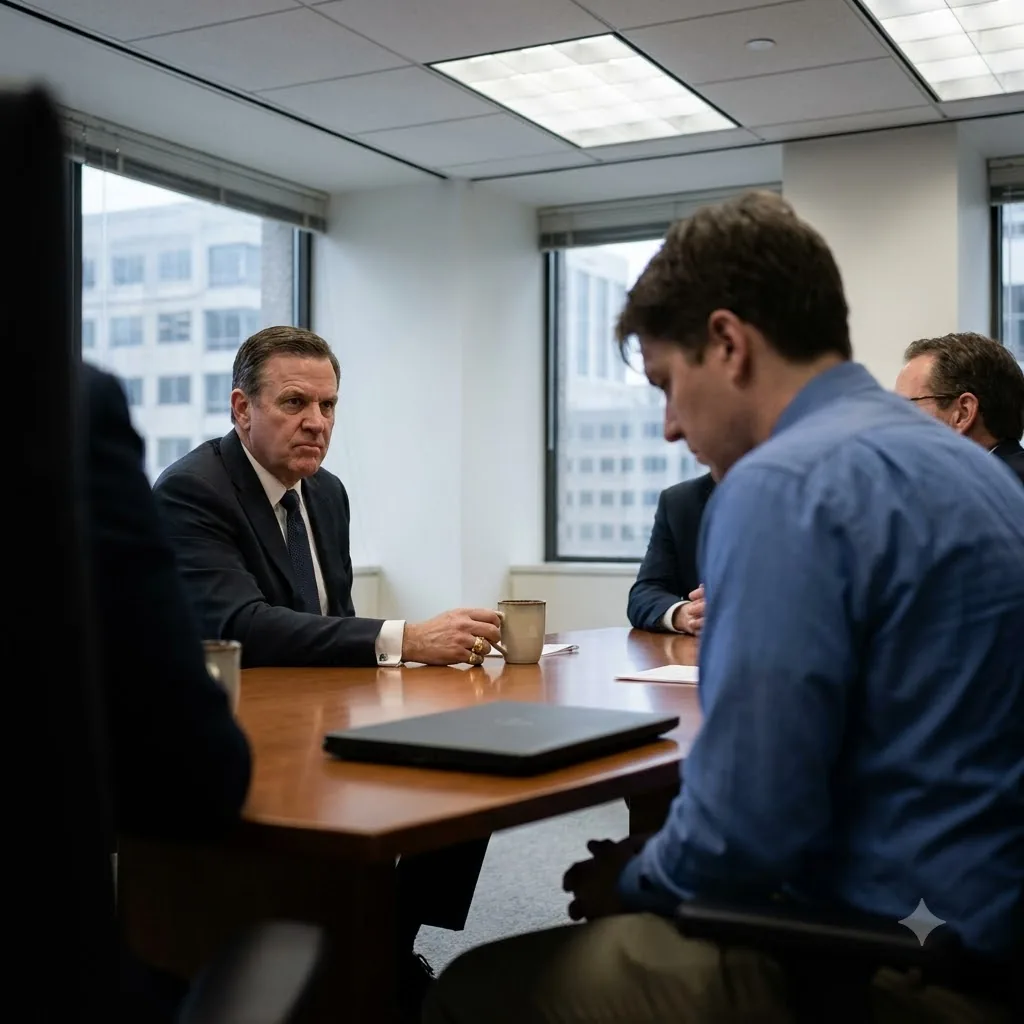
I picked up the papers from his desk, folded them, and put them in my pocket. When I walked into Conference Room B, the client and the VP were already seated. Marcus entered a moment later, his posture subdued, keeping his eyes fixed on the floor. When the VP called the meeting to order, Marcus cleared his throat and stepped to the side.
“Logan Vance will be taking the lead today,” Marcus said, his voice flat. “This project is entirely Logan’s design, and he will be delivering the strategy presentation.”
I plugged my laptop into the projector, entered my credentials to release the security lock, and began to speak. As the slides filled the screen, a sense of hard-edged relief settled over me. The data had done the work, the boundary was locked, and the credit remained exactly where it belonged.