Story code: ST-001337
Part 3: The Registry Refusal
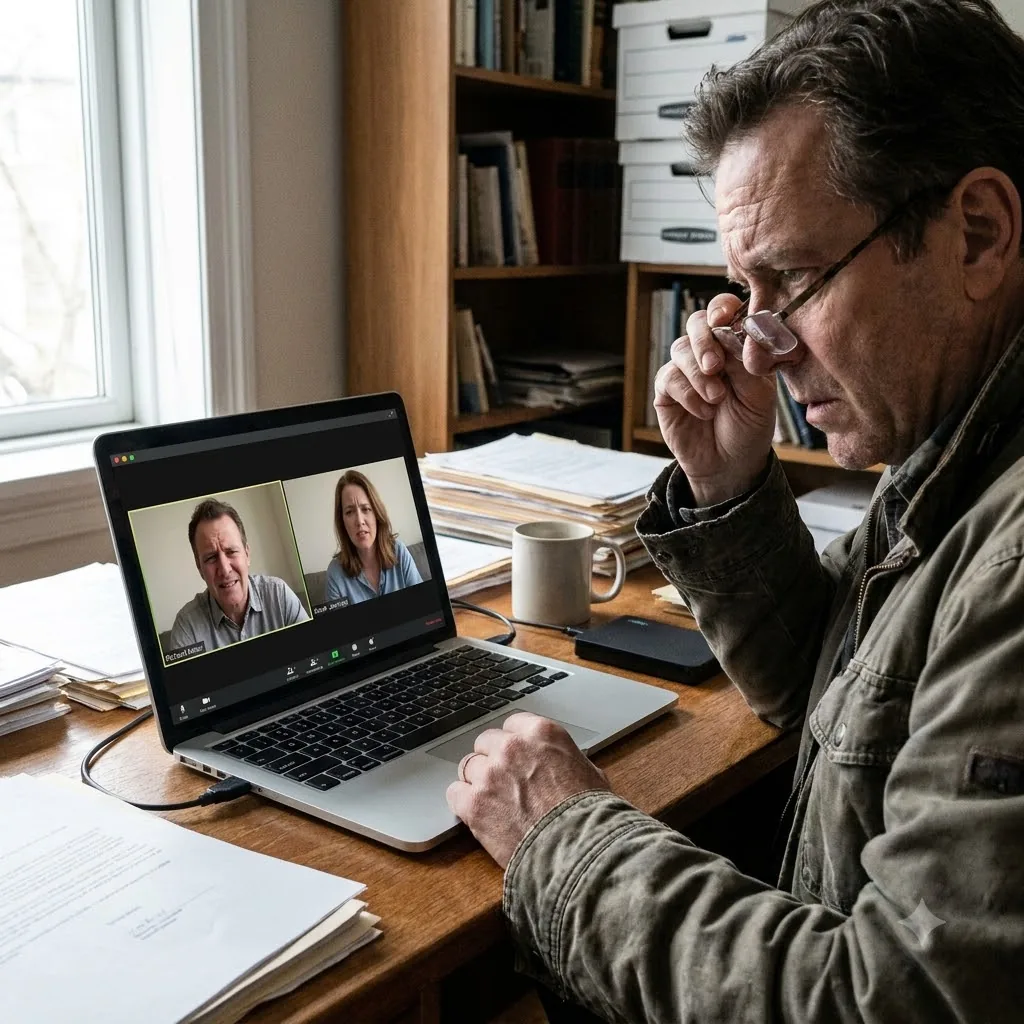
The WebEx recording logs a shift in Sarah Jennings’ posture as she observes the automated warning on the shared screen. With the transaction lock countdown ticking down from ten minutes, she calls up the registry interface. On the left side of the split screen, the digital ledger terminal displays a blinking status indicator: “Fiduciary Clearance Acknowledged. Awaiting Executor Signature.” On the right, Richard Miller’s home office feed shows him leaning away from the camera, his hand covering his mouth.
“The system shows the ledger has already validated the Private Key Card, Richard,” Sarah says, pointing to the green checkmark next to the card’s ID. “There is no secondary signature pending from the state registry. If there is a cross-application index for Directive 409-C, input the registry code now. The system is waiting.”
Richard clears his throat. The WebEx audio captures a slight tremor in his voice. “The index is classified under the trust’s private administrative schedule. I cannot expose the directory structure on a recorded line. It is a security precaution to prevent external exploits.”
From my analysis of the network log file, Richard’s terminal was not accessing an administrative schedule. Instead, the active network sockets show his local machine querying a private Ethereum address-the same one that had pinged the transit wallet minutes earlier. The metadata indicates three failed attempts to execute a smart contract withdrawal from that private address, each blocked by the ledger’s automated multi-signature requirement.
“If it is a security precaution,” Sarah says, “then the probate clerk’s backup key would be registered under the same schedule. Let’s add the clerk to this WebEx call. I have the emergency registry extension right here.”
On the recorded video, Richard’s hand drops to his desk. He quickly moves his cursor to block the screen share, but Sarah is faster. She enters the probate clerk’s digital identifier into the meeting invitation field. The terminal screen immediately updates, showing a dial-in request status: “Connecting to Probate Registry District 4.”
“That is entirely unnecessary,” Richard says, his voice rising slightly before he controls his tone. “We do not need to disrupt the court administration for a standard verification hold. I will simply log a temporary exemption.”
“An exemption requires a formal docket entry, Richard,” Sarah counters. She zooms in on the probate decree PDF on the shared screen. “According to the court order, any modification to the distribution timeline must be signed by both the executor and the beneficiary, or it must be referred to the magistrate. Are you proposing we freeze the call and schedule a hearing?”
Richard does not click the invitation cancel button. The recording shows him staring at the status bar, where the probate registry connection progress reaches eighty percent. If the registry clerk joins, the system will automatically upload the WebEx activity log, including Richard’s unlisted directory searches and the unauthorized private address pings, directly to the probate judge’s active review folder.