Story code: ST-001180
Part 1: The Price of Mercy
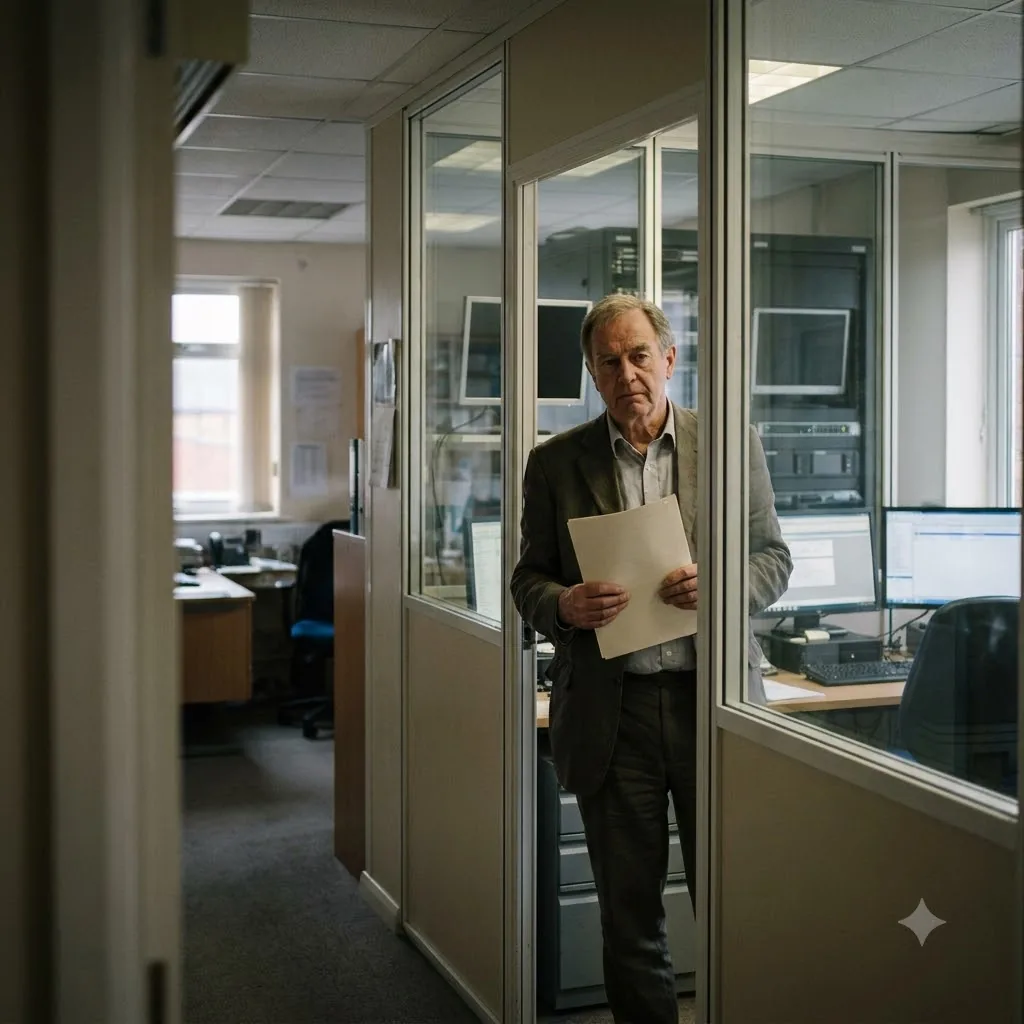
My uncle Richard stood in the doorway of the Vance Genetics Clinic’s data suite, holding a printed copy of Lab Report 109-A. He didn’t ask how my shift was going; he just laid the paper over my keyboard, tapped the signature line, and reminded me that my mother’s experimental gene therapy had cost him seven hundred thousand dollars out of his own pocket. If I didn’t sign off on this unauthorized gene splice within the next twenty-four hours, he said, the funding for her maintenance doses would disappear. Behind him, the automated pipettes of the liquid handlers clicked rhythmically in the main lab, preparing a new run of genetic assays. The sterile smell of isopropyl alcohol and cold metal filled the room, matching the coldness in Richard’s eyes. He wore his custom-tailored navy suit, looking every bit the wealthy benefactor who had stepped in when my mother’s organs began to fail. I rubbed my temples, looking at the printed pages of Lab Report 109-A. The crisp paper was fresh from the laser printer, the black ink of the unauthorized sequence anomalies standing out in stark contrast to the standard green checkmarks of the approved trial parameters. A formality that hides an undocumented genetic alteration, I told him, pointing to the red-flagged sequence on my monitor. This vector modification wasn’t approved by the FDA protocol. If I sign this, I’m verifying that the trial is compliant when it isn’t. It’s unsafe, and it’s illegal. Richard leaned against the doorframe, crossing his arms. I carried your family when your father’s insurance gave up, Elena. I bought your mother three years she wouldn’t have had. Now I need this protocol signed off. The guilt was a heavy, suffocating weight. I had never asked him to pay, but when the insurance denied the experimental trial, Richard had swooped in. Now, the hero wanted me to falsify a clinical lab report. I need to run the diagnostic validation again, I said, trying to keep my voice steady. I can’t just sign it. You have until tomorrow morning, Richard said. He tapped the paper one last time, turned on his heel, and walked down the corridor. I stared at the blinking cursor on the digital verification terminal. If I signed, I compromised the safety of fifty trial patients. If I refused, my mother’s next shipment of maintenance enzymes would never leave the warehouse. Desperate for any discrepancy, I pulled up the system log to search for the origin of the modification. When I clicked on the creator metadata for the vector file, I didn’t see our lab’s signature. I saw a private server address that I recognized instantly. What I found in the system metadata made me freeze, completely changing the timeline of who owed whom.
My uncle Richard stood in the doorway of the Vance Genetics Clinic’s data suite, holding a printed copy of Lab Report 109-A. He didn’t ask how my shift was going; he just laid the paper over my keyboard, tapped the signature line, and reminded me that my mother’s experimental gene therapy had cost him seven hundred thousand dollars out of his own pocket. If I didn’t sign off on this unauthorized gene splice within the next twenty-four hours, he said, the funding for her maintenance doses would disappear. Behind him, the automated pipettes of the liquid handlers clicked rhythmically in the main lab, preparing a new run of genetic assays. The sterile smell of isopropyl alcohol and cold metal filled the room, matching the coldness in Richard’s eyes. He wore his custom-tailored navy suit, looking every bit the wealthy benefactor who had stepped in when my mother’s organs began to fail. I rubbed my temples, looking at the printed pages of Lab Report 109-A. The crisp paper was fresh from the laser printer, the black ink of the unauthorized sequence anomalies standing out in stark contrast to the standard green checkmarks of the approved trial parameters. A formality that hides an undocumented genetic alteration, I told him, pointing to the red-flagged sequence on my monitor. This vector modification wasn’t approved by the FDA protocol. If I sign this, I’m verifying that the trial is compliant when it isn’t. It’s unsafe, and it’s illegal. Richard leaned against the doorframe, crossing his arms. I carried your family when your father’s insurance gave up, Elena. I bought your mother three years she wouldn’t have had. Now I need this protocol signed off. The guilt was a heavy, suffocating weight. I had never asked him to pay, but when the insurance denied the experimental trial, Richard had swooped in. Now, the hero wanted me to falsify a clinical lab report. I need to run the diagnostic validation again, I said, trying to keep my voice steady. I can’t just sign it. You have until tomorrow morning, Richard said. He tapped the paper one last time, turned on his heel, and walked down the corridor. I stared at the blinking cursor on the digital verification terminal. If I signed, I compromised the safety of fifty trial patients. If I refused, my mother’s next shipment of maintenance enzymes would never leave the warehouse. Desperate for any discrepancy, I pulled up the system log to search for the origin of the modification. When I clicked on the creator metadata for the vector file, I didn’t see our lab’s signature. I saw a private server address that I recognized instantly. What I found in the system metadata made me freeze, completely changing the timeline of who owed whom.