Story code: ST-001180
Part 2: The Paper Trail
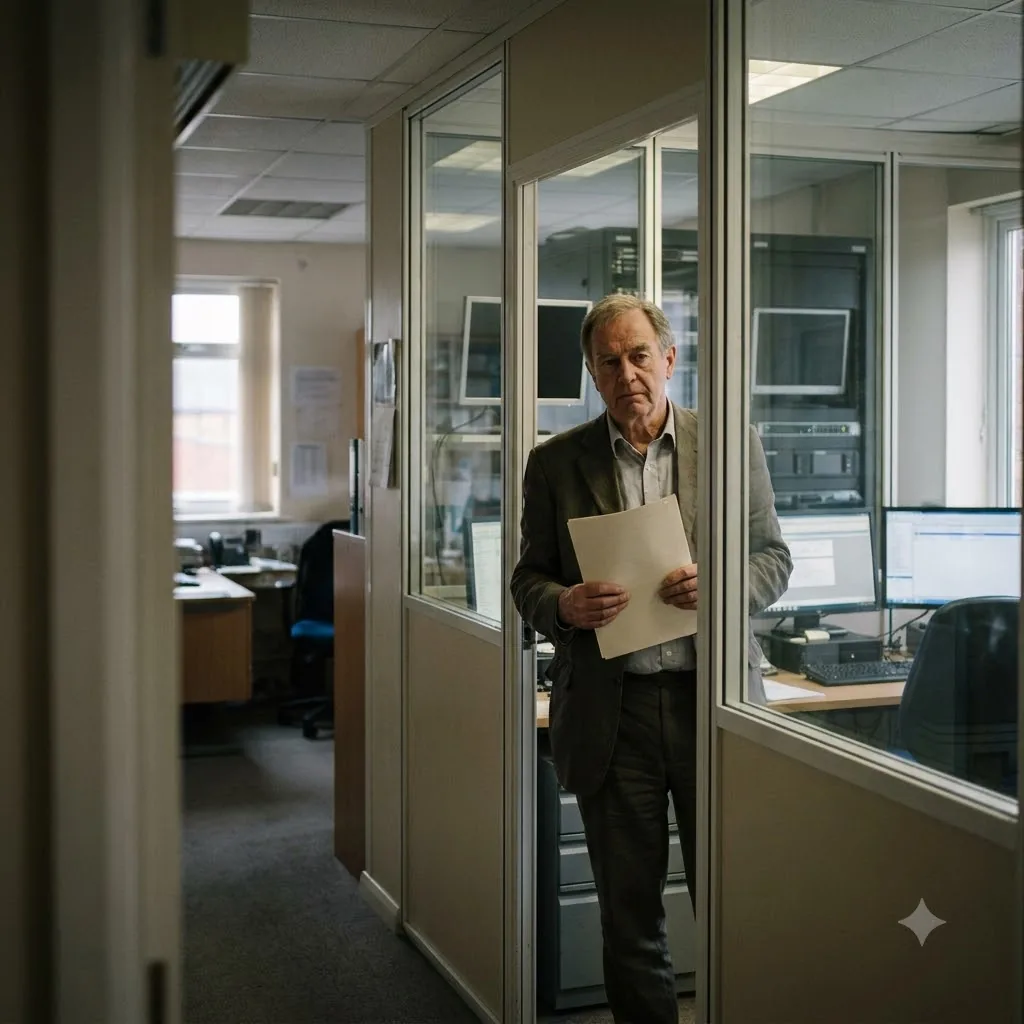
The metadata on Lab Report 109-A didn’t originate from our clinic’s research team. It had been uploaded from an external server belonging to Vance Therapeutics-my uncle’s struggling startup. I sat in the dim light of the Data Verification Suite, the cold glow of the monitor reflecting off the glass partitions of the empty lab, as I opened the Therapy Funding Ledger. For three years, I had believed Richard’s narrative. He was the wealthy, benevolent uncle who had saved his sister’s life by funding her expensive, off-label gene therapy. But as I compared the ledger entries to the clinic’s internal trial dates, the public story began to crumble. Richard’s personal account hadn’t funded my mother’s therapy directly. Every dollar had been routed through a clinical research grant from Vance Therapeutics. The dates were even more damning. My mother was injected with the experimental therapy on October 14th. Just three days later, Vance Therapeutics had filed a patent application for the exact same gene-delivery vector used in her treatment, citing her successful patient outcomes as their primary proof of safety. The ledger was highly detailed, listing the cost of every vial and the private courier services used to transport the vector. But the funding source remained the same: Grant V-902, funded entirely by Vance Therapeutics. I remembered the night she received the first injection. Richard had stood by her hospital bed, squeezing her hand and telling her he would do anything for family. I had wept tears of gratitude, promising him I would do whatever it took to repay him. I had spent years working extra shifts at his clinic, accepting a lower salary just to show my appreciation. It was all a calculated play. Richard had used my mother as an off-the-books, unauthorized human test subject to validate his startup’s intellectual property right before his patent license expired. Without her data, his company would have gone bankrupt three years ago. I pulled up my mother’s latest medical files on a secondary screen. Her platelet counts had been dropping, a symptom the clinic doctors had dismissed as a common side effect of the maintenance doses. Now, looking at the unauthorized splice on Lab Report 109-A, I realized the truth. The splice was designed to correct a vector instability that caused cellular toxicity. If I signed the report, the trial would proceed with this dangerous, unapproved fix, putting dozens of other patients at risk, while my mother’s deteriorating health remained classified as a standard side effect. The weight of the debt hadn’t vanished, but the leverage was shifting. My uncle hadn’t saved my mother out of love; he had used her to save his company. But to prove it, I needed the raw sequencing data from the original trials three years ago. I pulled up the network directory to access the Vance Therapeutics archive, but the screen locked. Access Denied: Administrative Authorization Required. I stared at the prompt. Richard’s office was just down the hall, and his assistant had left hours ago. I knew he kept his physical backup tokens in his desk drawer, but getting them meant entering a locked office under security cameras.