Story code: ST-000542
Part 1: The Safe Zone
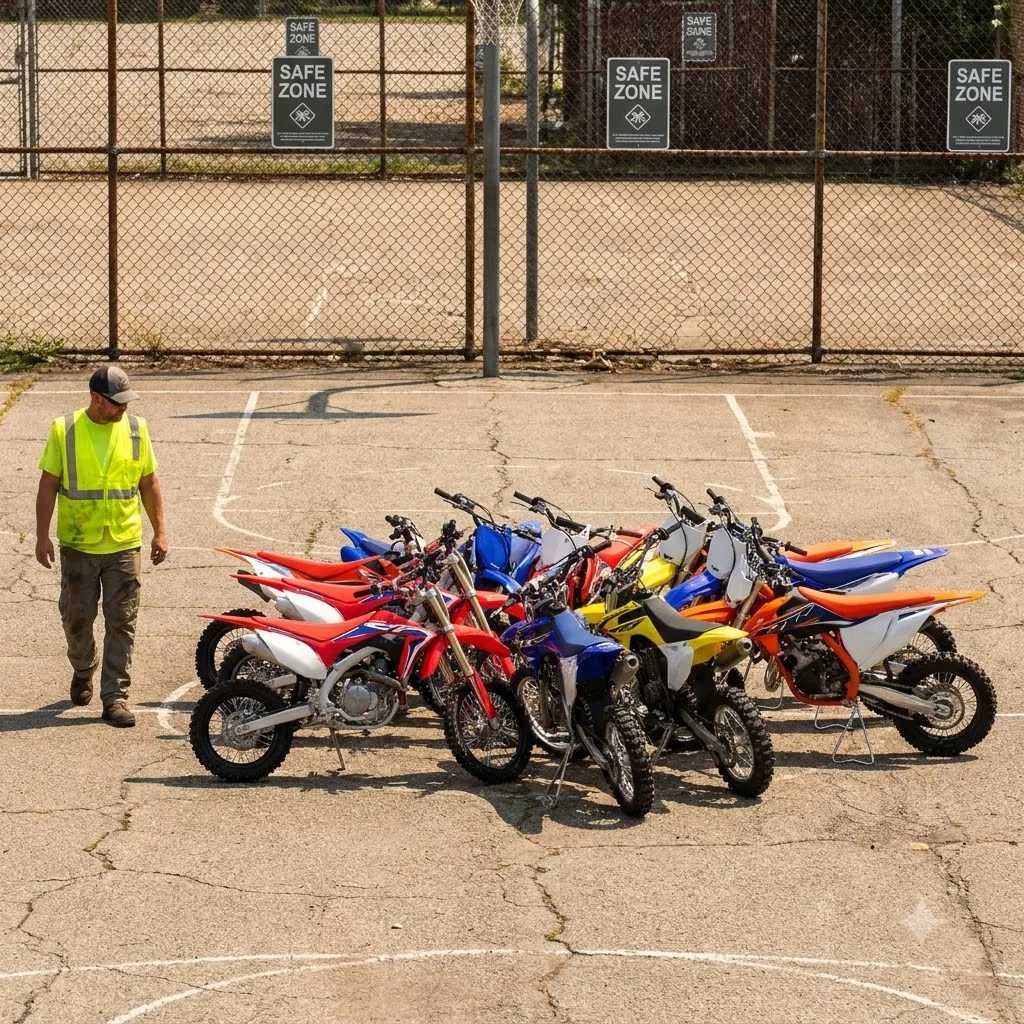
The scrape of a city worker’s socket wrench echoing off the asphalt was the only sound at the West Philly rec center, an absolute silence that made Marcus tightly grip the radio clipped to his neon violence interrupter vest. Two men in high-visibility municipal jackets finished bolting a fresh metal ‘Safe Zone’ sign to the chain-link fence and hurried back to their idling truck, leaving the playground entirely devoid of life. It was three in the afternoon on a warm Tuesday, a time when the courts should have been vibrating with the pounding of basketballs and the chaotic shouting of teenagers.
Marcus stepped through the open gate, the soles of his work boots heavy against the pavement. The quiet pressed against his eardrums, unnatural and thick. He scanned the perimeter automatically, a habit drilled into him from three years of walking the line between the neighborhood factions and the police. The row homes bordering the park had their blinds drawn tight, their doors firmly shut. On a normal day, at least three elderly residents would be sitting on their front stoops, keeping a watchful eye on the block. Today, the porches were empty. The community had retreated behind locked doors, ceding the street to a heavy, invisible threat.
He looked past the rusted jungle gym, his gaze settling on the center basketball court. Twelve dirt bikes sat clustered in a tight, precise grid directly over the faded painted logo at center court.
Marcus stopped walking. His breath caught in his throat. These were not the pieced-together, rattling machines the local kids usually rode in reckless packs up and down Lancaster Avenue. Even from thirty feet away, the harsh afternoon sun reflected blindingly off pristine plastic fairings and spotless chrome exhaust pipes. He forced himself to move forward, his boots crunching loudly on loose gravel that had spilled onto the concrete.
As he closed the distance, the sheer financial value of the display became staggeringly clear. He recognized the aggressive styling of brand-new, top-tier models. The knobby tires still had the tiny rubber injection-molding hairs sticking out of the treads, proving they had not seen a single mile of street wear. They smelled faintly of factory grease, hot engine oil, and unweathered leather. Twelve of them, perfectly aligned, with their kickstands resting firmly on the green painted concrete.
Someone had parked a small fortune in the middle of the most heavily contested block in the district.
The realization sent a cold spike of dread down Marcus’s spine. The real terror was not the sudden appearance of the machines, but the fact that they were still sitting there untouched. In a neighborhood where a locked bicycle could vanish in ten minutes, a dozen unsecured, expensive dirt bikes sitting in plain sight was an impossible sight. Nobody was running out to claim them. The local kids, the hustlers, the opportunists all stayed completely clear of the chain-link fence. They knew exactly who these machines belonged to, and the fear of that individual was far stronger than the temptation of a free ride.
Marcus wiped a bead of sweat from his temple. The neon yellow fabric of his vest suddenly felt less like a shield of neutrality and more like a glowing target. He and the community coalition had spent the last eight months fighting to clear the drug corners within a three-block radius of this exact park. The new metal signs bolted to the fences were supposed to be the victory lap, a visual marker that this space belonged to the families again. The courts had issued the injunctions, the police had made the sweeps, and the interrupters had brokered the fragile truces.
The grid of twelve identical motorcycles proved the truces were nothing but an illusion.
He walked around the perimeter of the formation, his eyes scanning the surrounding rooftops and narrow alleyways. Nothing moved. Not even a stray dog dared to cross the asphalt. The silence was an active, suffocating entity. Marcus stopped at the very front of the grid, standing before a gleaming black and green Kawasaki that sat slightly ahead of the rest, positioned like a commander leading a mechanized cavalry.
He looked down at the ignition cylinder. There were no keys.
His eyes tracked along the handlebars, resting on the left grip. A thick, heavy-duty black zip-tie was looped tightly around the metal tube. Hanging from the plastic band was a large, rectangular piece of laminated cardstock. The wind caught the edge of the tag, spinning it gently against the brake lever with a soft tapping sound.
Marcus felt his heart hammering against his ribs. He knew Tariq never made a move without a specific, calculated purpose, and dumping a fortune in new equipment on a freshly sanctioned safe zone was a deliberate declaration. Marcus swallowed hard, reaching his hand out toward the handlebars. His fingers brushed the smooth plastic lamination of the tag. He pinched the corner of the heavy cardstock, turning it over to read the thick black marker written on the other side.
The scrape of a city worker’s socket wrench echoing off the asphalt was the only sound at the West Philly rec center, an absolute silence that made Marcus tightly grip the radio clipped to his neon violence interrupter vest. Two men in high-visibility municipal jackets finished bolting a fresh metal ‘Safe Zone’ sign to the chain-link fence and hurried back to their idling truck, leaving the playground entirely devoid of life. It was three in the afternoon on a warm Tuesday, a time when the courts should have been vibrating with the pounding of basketballs and the chaotic shouting of teenagers.
Marcus stepped through the open gate, the soles of his work boots heavy against the pavement. The quiet pressed against his eardrums, unnatural and thick. He scanned the perimeter automatically, a habit drilled into him from three years of walking the line between the neighborhood factions and the police. The row homes bordering the park had their blinds drawn tight, their doors firmly shut. On a normal day, at least three elderly residents would be sitting on their front stoops, keeping a watchful eye on the block. Today, the porches were empty. The community had retreated behind locked doors, ceding the street to a heavy, invisible threat.
He looked past the rusted jungle gym, his gaze settling on the center basketball court. Twelve dirt bikes sat clustered in a tight, precise grid directly over the faded painted logo at center court.
Marcus stopped walking. His breath caught in his throat. These were not the pieced-together, rattling machines the local kids usually rode in reckless packs up and down Lancaster Avenue. Even from thirty feet away, the harsh afternoon sun reflected blindingly off pristine plastic fairings and spotless chrome exhaust pipes. He forced himself to move forward, his boots crunching loudly on loose gravel that had spilled onto the concrete.
As he closed the distance, the sheer financial value of the display became staggeringly clear. He recognized the aggressive styling of brand-new, top-tier models. The knobby tires still had the tiny rubber injection-molding hairs sticking out of the treads, proving they had not seen a single mile of street wear. They smelled faintly of factory grease, hot engine oil, and unweathered leather. Twelve of them, perfectly aligned, with their kickstands resting firmly on the green painted concrete.
Someone had parked a small fortune in the middle of the most heavily contested block in the district.
The realization sent a cold spike of dread down Marcus’s spine. The real terror was not the sudden appearance of the machines, but the fact that they were still sitting there untouched. In a neighborhood where a locked bicycle could vanish in ten minutes, a dozen unsecured, expensive dirt bikes sitting in plain sight was an impossible sight. Nobody was running out to claim them. The local kids, the hustlers, the opportunists all stayed completely clear of the chain-link fence. They knew exactly who these machines belonged to, and the fear of that individual was far stronger than the temptation of a free ride.
Marcus wiped a bead of sweat from his temple. The neon yellow fabric of his vest suddenly felt less like a shield of neutrality and more like a glowing target. He and the community coalition had spent the last eight months fighting to clear the drug corners within a three-block radius of this exact park. The new metal signs bolted to the fences were supposed to be the victory lap, a visual marker that this space belonged to the families again. The courts had issued the injunctions, the police had made the sweeps, and the interrupters had brokered the fragile truces.
The grid of twelve identical motorcycles proved the truces were nothing but an illusion.
He walked around the perimeter of the formation, his eyes scanning the surrounding rooftops and narrow alleyways. Nothing moved. Not even a stray dog dared to cross the asphalt. The silence was an active, suffocating entity. Marcus stopped at the very front of the grid, standing before a gleaming black and green Kawasaki that sat slightly ahead of the rest, positioned like a commander leading a mechanized cavalry.
He looked down at the ignition cylinder. There were no keys.
His eyes tracked along the handlebars, resting on the left grip. A thick, heavy-duty black zip-tie was looped tightly around the metal tube. Hanging from the plastic band was a large, rectangular piece of laminated cardstock. The wind caught the edge of the tag, spinning it gently against the brake lever with a soft tapping sound.
Marcus felt his heart hammering against his ribs. He knew Tariq never made a move without a specific, calculated purpose, and dumping a fortune in new equipment on a freshly sanctioned safe zone was a deliberate declaration. Marcus swallowed hard, reaching his hand out toward the handlebars. His fingers brushed the smooth plastic lamination of the tag. He pinched the corner of the heavy cardstock, turning it over to read the thick black marker written on the other side.