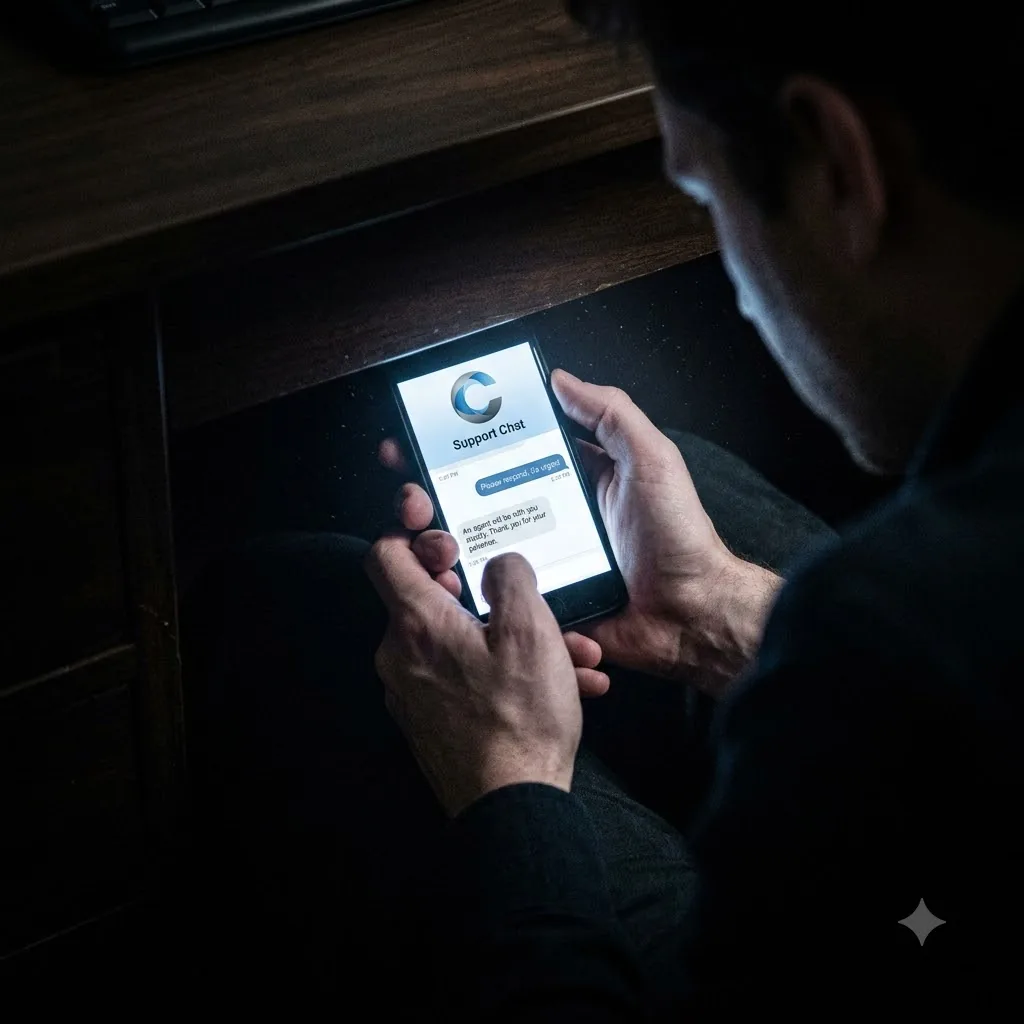
Story code: ST-001931
Part 4: The Broker Pipeline
The black toe of the tactical boot remained motionless against the linoleum. The handheld radio frequency scanner emitted a continuous, high-pitched whine, locking onto the exact coordinates of Maya’s device. Maya squeezed her eyes shut beneath the heavy fleece jacket, bracing her muscles for the impact of a weapon or the heavy hands of the man who had bought her timeline.
Instead, the classroom intercom popped with a burst of static.
Three piercing electronic tones blared from the ceiling speakers. The fluorescent tubes recessed in the drop ceiling snapped on simultaneously, flooding the biology lab with blinding, sterile white light.
“Attention students and staff,” a pre-recorded, administrative voice echoed over the PA system. “The district-wide lockdown drill is now concluded. Teachers, please resume your instructional periods. Thank you to the county sheriff’s department for conducting today’s unannounced security and network audit.”
Maya flinched against the sudden glare. She pulled the jacket off her head. The man standing above her was not the father from the restricted zones. He wore the heavy, olive-drab uniform of a county sheriff’s deputy. He held a black radio receiver, not a weapon. He marked a tally on a metal clipboard, tapped the microphone on his shoulder, and spoke over the ambient noise of twenty students exhaling and shifting out from under their desks.
“Room 204. One device failed the active-signal quarantine,” the deputy reported. He didn’t look down at her. He turned on his heel and crunched his way out of the shattered door frame, moving to the next room.
Maya remained on the floor. Her thumb was still hovering over the glass screen of her phone.
With the conclusion of the drill, the district’s emergency cellular dampeners automatically powered down. The status bar on the upper right corner of her display flickered. The slashed circle vanished, instantly replaced by four solid white bars of 5G connectivity.
The raw terminal interface on her screen reacted in a fraction of a millisecond.
`> NETWORK UPLINK RESTORED.`
`> BYPASSING MANUAL INTERRUPT.`
`> INITIATING QUEUED TRANSFER.`
Maya watched the progress bar at the bottom of the terminal jump from three percent to forty, then eighty.
*Support_Kevin: No.*
*Support_Kevin: I can’t break the socket.*
`> TRANSFER COMPLETE. 100%`
`> TIER-1 ASSET DELIVERED TO CLIENT ID 884-J.`
`> INITIATING LOCAL CACHE WIPE.`
The screen went completely black. The application had finally granted her permission to delete her local data, executing the purge exactly one microsecond after it had successfully sold a copy to the cloud.
Two thousand miles away, in a climate-controlled server facility in San Jose, Kevin stared at the administrative telemetry dashboard. The cooling fans of the server racks hummed in a monotonous, unyielding drone.
The B2B transaction ledger rendered a new line of text in crisp, green font.
`Client ID 884-J: Download Complete. File Size: 14.2 MB.`
Kevin did not touch his keyboard. His hands rested flat on the cold metal of his desk. He watched the destination IP address process the payload. The data packet contained Maya’s aggregated location history, mapping out her solitary routes through the restricted maintenance zones, the structural blind spots in the school’s camera coverage, and the biometric flags confirming her missed cycles.
The automated broker pipeline credited the corporate account. Her aggregated timeline, the raw material of her physical safety, had cleared the open market for twelve dollars and fifty cents.
Kevin looked at the block of code displayed on his secondary monitor. It was the retention logic he had authored three months prior. He had received a departmental bonus for that specific algorithm. It was elegantly designed, stripping away unnecessary processing overhead to guarantee that premium data would never drop from the cache, even during a critical network failure. It was built to outlast a user’s attempt to delete their profile. It was built to override panic.
The code was flawless. It had executed its parameters with perfect efficiency. It had successfully blocked his administrative override, sustained the telemetry payload through a hardware blackout, and delivered the product to the buyer the absolute second a connection was re-established.
He had built a cage that worked exactly as advertised.
On his primary monitor, the live-chat socket with Maya’s device terminated, logging a standard ‘Issue Resolved’ tag into the customer service database. The physical threat inside the classroom had been an illusion, a routine drill conducted by the district. But the data sale was permanent. The man tracking her now possessed the exact, verified coordinates of her daily isolation.
Kevin sat in the artificial breeze of the cooling vents, listening to the servers process thousands of new transactions, fully aware his perfectly optimized architecture had just ruined a girl’s life.