Story code: ST-000583
Part 4: The Cost of Silence
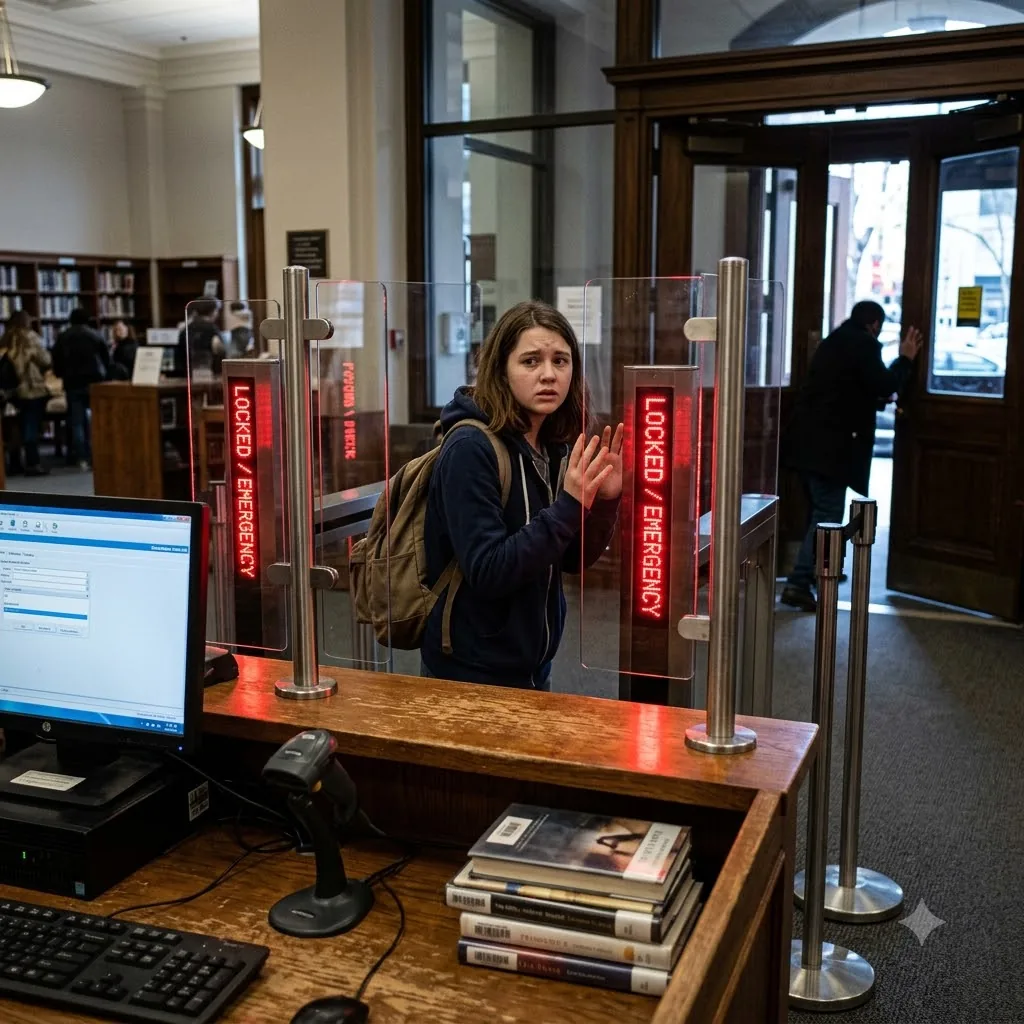
Vance stared at me in the pale, sickly glow of the emergency backup lighting. The silence in the room was absolute, a ringing vacuum left behind by the death of the machine’s high-pitched whine. The only sound was the heavy, shuddering clunk of the turnstile’s magnetic locks disengaging. A catastrophic hardware reset meant fire code protocols automatically superseded the lockdown mandates. The thick plexiglass barriers, previously locked with hundreds of pounds of magnetic force, swung open freely.
Vance did not try to stop the student or reach for the backpack. He was a creature of systems, algorithms, and verifiable data. Without his digital proof, without the unblinking eye of the network recording the infraction, engaging in a physical altercation over a backpack was entirely beneath him. More importantly, it was legally perilous without the machine’s backing. He slowly adjusted the cuffs of his tailored suit jacket, smoothing out the fabric where I had shoved him.
“You have bought yourself nothing but a weekend, Marcus,” Vance said, his voice stripped of all its prior bureaucratic warmth. It was cold, flat, and absolute. “When IT brings the servers back online on Monday morning, they will pull the manual input logs directly from the terminal’s motherboard. They will see your master sequence. You will be terminated for the deliberate destruction of district property.”
“I know,” I said, keeping my posture rigid.
“Was it worth it?” he asked, his eyes flicking down to the blue nylon backpack still clutched in my hands.
“Yes,” I said.
Vance didn’t ask what was inside the bag. He knew it didn’t matter anymore. Today’s battle was over. He turned on his heel and walked toward the primary emergency fire exit. He pushed the heavy metal crash bar-which gave way easily without the network holding it shut-and stepped out into the darkened corridor. The heavy door sighed shut behind him, leaving me alone with the eighth grader.
The kid was still trembling, their knuckles white, staring at the open turnstile as if expecting it to snap shut like a jaw the moment they moved.
I turned and held out the backpack. The weight of the hidden, unregistered memoir settled back into their hands.
“Go,” I said gently, keeping my voice low. “The security system is dead. It won’t track you. The cameras run through the same local server I just crashed. You’re completely invisible.”
The student clutched the bag tightly to their chest. “But what about you? He said you’re going to be fired. He said they’ll know you did it.”
“That is my problem, not yours,” I said, forcing a small, reassuring smile that felt like cracking plaster on my face. “Your job is to read that book. Learn from it. And make sure you never bring it back into this building. Keep it safe.”
The student hesitated, searching my face in the dim amber light for a long moment. Then, they gave a short, jerky nod. They stepped through the defeated plexiglass gates, pushing through the same fire exit Vance had used. The door clicked shut, and I was completely alone in the cavernous, shadowed library.
My heart rate finally began to slow, leaving behind an aching, hollow exhaustion that settled deep into my bones. The adrenaline was fading, replaced by the cold, heavy reality of what I had just done. I had worked in this library for twelve years. I knew the exact creak of the floorboards in the historical fiction aisle, the way the afternoon light filtered through the high clerestory windows, the comforting smell of old paper and binding glue that permeated the air. All of it was over. Vance was right. I had protected the student, but I had handed the administration the exact weapon they needed to terminate my contract with cause.
I walked slowly past the dead, black screen of the security console, making my way to my locked back office. I pulled the standard brass key from my pocket-an old, analog technology that felt incredibly grounding in my shaking hands-and unlocked the door.
The office was small and windowless. I flipped on the small desk lamp. In the corner sat the reason I had sacrificed my career: three heavy wooden filing cabinets, entirely off the grid.
I pulled open the bottom drawer of the first cabinet. The spine of a banned graphic novel stared back at me, resting next to an anthology of suppressed historical essays. This was the uncatalogued collection. These were the books Vance and the school board had deemed too dangerous, too complex, or too contrary to their rigid new curriculum mandate.
I found a stack of flattened cardboard boxes behind the door-leftovers from a recent shipment of approved, sanitized textbooks. I unfolded one, taping the bottom shut with slow, deliberate movements. The sound of the packing tape ripping off the roll echoed loudly in the quiet room.
I started transferring the books from the drawer into the box. Each one felt heavy with consequence. I packed a memoir about the civil rights movement. I packed a novel about a dystopian society that mirrored our own a little too closely. I packed the poetry collections that had been quietly stripped from the shelves over the summer.
My career in this district was dead. By Monday morning, my access badges would be deactivated, and HR would be drafting my severance paperwork. Vance would send security to scour this office, looking for the physical contraband he knew was hidden here to justify his crusade.
But they wouldn’t find it.
I filled the first box and taped it shut. I grabbed another piece of cardboard and unfolded it. I had the whole weekend to clear out the archives. I would load them into the trunk of my car, one heavy box at a time. The library’s automated guardian was blind, and I was going to strip this room bare.
I placed the next stack of books into the cardboard. I had lost my job, my sanctuary, and the quiet, safe life I had built here. But as I traced my fingers over the frayed cover of an unregistered paperback, I felt a profound sense of peace. The machine had demanded absolute obedience, but it had gotten silence. I packed the box to the brim, ready to carry the truth out into the dark.