Story code: ST-000599
Part 1: The Weight of the Cards
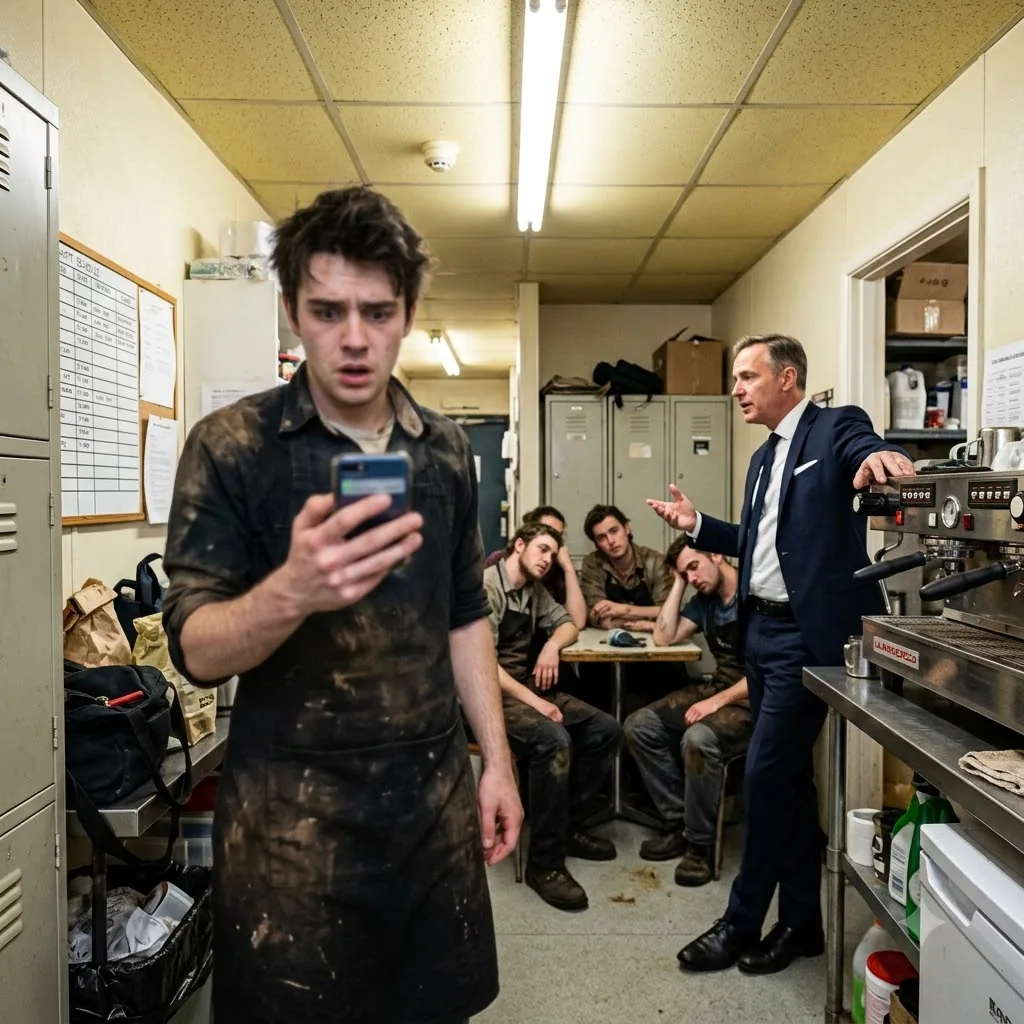
The fluorescent lights hummed a low, sickly frequency over thirty silent employees crammed into a breakroom designed for twelve. Mateo kept his hands pressed flat against his thighs, terrified that the slightest shift in his posture would rustle the thick stack of cardstock wedged deep inside his apron pocket. Fifty signed union authorization cards pressed against his hip bone like a solid block of lead. He stared fixedly at a dark, sticky coffee stain on the linoleum floor, focusing entirely on keeping his breathing shallow to avoid drawing the attention of the stranger pacing in front of the unplugged vending machines.
The consultant wore a sharp navy suit that probably cost more than Mateo made in three months of double shifts. The man’s polished leather shoes clicked sharply against the cheap floor, a rhythmic, commanding percussion that cut through the stifling heat of the windowless room. He paused his pacing to shoot his cuffs, revealing a heavy silver watch that caught the harsh overhead glare. The man spoke with the practiced, buttery cadence of an expensive motivational speaker hired to neutralize a threat. He told the assembled dishwashers, servers, and line cooks that they were a family. He told them a family did not need a greedy third party to communicate.
Mateo felt a single drop of sweat slide between his shoulder blades. The hidden stack of cards seemed to radiate heat. He could feel the exact shape of the rubber band holding the fifty destinies together. The consultant leaned casually against the edge of the breakroom table, crossing his ankles to project a relaxed authority. He launched into a condescending tangent about financial literacy, lecturing the exhausted staff about personal responsibility. He told them that wealth came from pulling oneself up by the bootstraps, avoiding frivolous spending, and skipping luxuries like artisan avocado toast or overpriced lattes. He claimed that union dues were just another tax on their hard-earned paychecks.
Mateo bit the inside of his cheek until he tasted copper to stop his jaw from clenching. Beside him, Sarah from the prep line shifted her weight uncomfortably, her eyes bloodshot from opening the kitchen at four in the morning. She had signed one of the hidden cards yesterday behind the grease trap. Across the room, Marcus leaned against the stainless steel sink with his arms tightly crossed, another signature secured during a rushed break in the alley. Mateo had collected every single one over two weeks of whispered conversations in the walk-in cooler, quick handoffs by the dumpsters, and silent, urgent nods over the expo line. Now, all that immense risk sat heavy against his right thigh.
If the consultant pointed at him right now and demanded he turn his pockets out, fifty livelihoods would evaporate before the breakfast rush. The suit took another slow lap around the tight perimeter of the room, using aggressive, lingering eye contact on the younger staff members to force their submission. He spoke at length about management’s new open-door policies and their sudden desire for direct relationships. He promised that the owners were finally ready to listen.
The air in the room had grown entirely stale, thick with the overwhelming stench of old fryer grease, stale coffee, and the sharp note of the consultant’s expensive cologne. The man stopped his pacing directly in front of Mateo’s uneven row of folding chairs. He smiled down at the seated workers, a brilliant, terrifying flash of bleached teeth that didn’t reach his eyes. He raised a well-manicured hand to emphasize a critical point about the inherent disloyalty of seeking outside representation.
Mateo kept his gaze locked on the gleaming leather of the man’s oxfords, forcing his muscles to remain perfectly still. The consultant took half a step closer, close enough that the crease of his trousers brushed the knee of Mateo’s jeans. The man’s shadow fell completely over Mateo’s lap. The speech paused as the consultant took a deep, dramatic breath to deliver his final, heavily rehearsed warning about the devastating consequences of signing away their legal rights to a union.
Deep inside the exact pocket holding the fifty signed authorization cards, Mateo’s phone vibrated with a long, violent, mechanical buzz. The sudden grinding vibration ripped through the tense, heavy silence, the sound impossibly loud against the stiff cardstock. Mateo jolted violently upright, his knee slamming into the underside of the table and his elbow knocking his chair back with a sharp screech of metal against linoleum as the phone screen flared to life through the thin, grease-stained fabric of his apron, displaying an incoming text from a name he recognized instantly.
The fluorescent lights hummed a low, sickly frequency over thirty silent employees crammed into a breakroom designed for twelve. Mateo kept his hands pressed flat against his thighs, terrified that the slightest shift in his posture would rustle the thick stack of cardstock wedged deep inside his apron pocket. Fifty signed union authorization cards pressed against his hip bone like a solid block of lead. He stared fixedly at a dark, sticky coffee stain on the linoleum floor, focusing entirely on keeping his breathing shallow to avoid drawing the attention of the stranger pacing in front of the unplugged vending machines.
The consultant wore a sharp navy suit that probably cost more than Mateo made in three months of double shifts. The man’s polished leather shoes clicked sharply against the cheap floor, a rhythmic, commanding percussion that cut through the stifling heat of the windowless room. He paused his pacing to shoot his cuffs, revealing a heavy silver watch that caught the harsh overhead glare. The man spoke with the practiced, buttery cadence of an expensive motivational speaker hired to neutralize a threat. He told the assembled dishwashers, servers, and line cooks that they were a family. He told them a family did not need a greedy third party to communicate.
Mateo felt a single drop of sweat slide between his shoulder blades. The hidden stack of cards seemed to radiate heat. He could feel the exact shape of the rubber band holding the fifty destinies together. The consultant leaned casually against the edge of the breakroom table, crossing his ankles to project a relaxed authority. He launched into a condescending tangent about financial literacy, lecturing the exhausted staff about personal responsibility. He told them that wealth came from pulling oneself up by the bootstraps, avoiding frivolous spending, and skipping luxuries like artisan avocado toast or overpriced lattes. He claimed that union dues were just another tax on their hard-earned paychecks.
Mateo bit the inside of his cheek until he tasted copper to stop his jaw from clenching. Beside him, Sarah from the prep line shifted her weight uncomfortably, her eyes bloodshot from opening the kitchen at four in the morning. She had signed one of the hidden cards yesterday behind the grease trap. Across the room, Marcus leaned against the stainless steel sink with his arms tightly crossed, another signature secured during a rushed break in the alley. Mateo had collected every single one over two weeks of whispered conversations in the walk-in cooler, quick handoffs by the dumpsters, and silent, urgent nods over the expo line. Now, all that immense risk sat heavy against his right thigh.
If the consultant pointed at him right now and demanded he turn his pockets out, fifty livelihoods would evaporate before the breakfast rush. The suit took another slow lap around the tight perimeter of the room, using aggressive, lingering eye contact on the younger staff members to force their submission. He spoke at length about management’s new open-door policies and their sudden desire for direct relationships. He promised that the owners were finally ready to listen.
The air in the room had grown entirely stale, thick with the overwhelming stench of old fryer grease, stale coffee, and the sharp note of the consultant’s expensive cologne. The man stopped his pacing directly in front of Mateo’s uneven row of folding chairs. He smiled down at the seated workers, a brilliant, terrifying flash of bleached teeth that didn’t reach his eyes. He raised a well-manicured hand to emphasize a critical point about the inherent disloyalty of seeking outside representation.
Mateo kept his gaze locked on the gleaming leather of the man’s oxfords, forcing his muscles to remain perfectly still. The consultant took half a step closer, close enough that the crease of his trousers brushed the knee of Mateo’s jeans. The man’s shadow fell completely over Mateo’s lap. The speech paused as the consultant took a deep, dramatic breath to deliver his final, heavily rehearsed warning about the devastating consequences of signing away their legal rights to a union.
Deep inside the exact pocket holding the fifty signed authorization cards, Mateo’s phone vibrated with a long, violent, mechanical buzz. The sudden grinding vibration ripped through the tense, heavy silence, the sound impossibly loud against the stiff cardstock. Mateo jolted violently upright, his knee slamming into the underside of the table and his elbow knocking his chair back with a sharp screech of metal against linoleum as the phone screen flared to life through the thin, grease-stained fabric of his apron, displaying an incoming text from a name he recognized instantly.