Story code: ST-000653
Part 1: Viral Symptoms
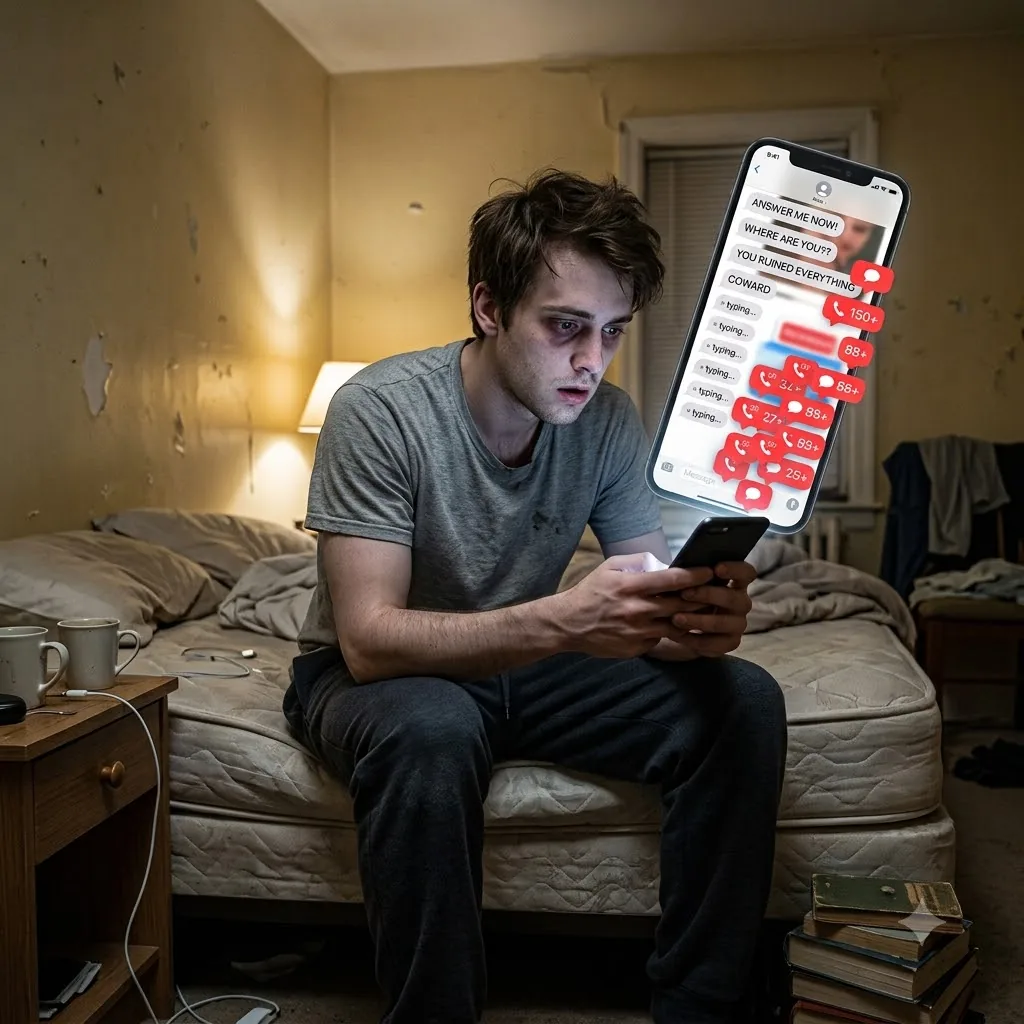
The mattress felt like a slab of concrete beneath Elias, pulling him down into a suffocating gravity that made simply opening his eyes a monumental effort. His phone vibrated against the nightstand, an endless, angry buzzing that rattled the cheap plastic casing against the fake wood. He reached for it with a trembling hand, his joints aching with a deep, hollow fire that had been worsening for weeks.
He swiped at the screen, squinting through a thick haze of brain fog. The morning brightness stabbed at his retinas. He needed to log into the delivery network to claim his morning blocks. Those blocks were the only thing keeping him from eviction and the only way to afford the bare minimum of his medication. He tapped the orange icon. A stark, red banner stretched across the top of the screen.
Account Deactivated. Violations of community guidelines. Appeal denied.
Panic, cold and sharp, pierced through his crushing exhaustion. He tapped the screen frantically, his thumb slipping on the glass. The app booted him back to the login page over and over. He tried his secondary app, the grocery delivery one he used for evenings. Suspended. Pending investigation.
The phone vibrated again, a relentless, violent stutter in his palm. It was not an automated call from the platform. It was a cascade of notifications. Messages from unknown numbers poured into his inbox, pushing the deactivation emails down the screen in a blur of black and white text.
You make me sick.
Hope you overdose and rot.
We know where you live.
Junkie trash.
Elias dropped the phone. It hit the floor, still buzzing like a trapped insect against the floorboards. He clutched his chest, a wet, rattling cough tearing through his throat. The coughing fit left him gasping, dark spots dancing in his peripheral vision. The fatigue was not just from the lack of sleep. It was the sickness, the relentless, quiet decay of his body that he had been desperately trying to outrun with twelve-hour delivery shifts. He needed his medicine. The specialized medication he could no longer afford because his apps were permanently locked.
He forced himself to sit up. The cramped apartment spun. The walls felt closer today, the peeling floral wallpaper pressing in on him, reducing the room to a tight, airless box. He picked the phone up from the floor. The notifications had not stopped. They were multiplying by the second. Social media tags, direct messages, text messages. Hundreds of them. Thousands. People he had never met were demanding his head, wishing him a slow, painful death.
He tried to remember yesterday. The fog in his head was thick, heavy like breathing underwater. He remembered a delivery drop-off at a massive, modern house in the hills. He remembered leaning against a stone retaining wall, his lungs burning, his vision swimming, desperately trying to catch his breath before carrying the heavy premium water boxes to the porch. There had been a woman with a phone. A brief, sharp exchange he could barely recall through the haze of his illness. Now, the entire world seemed to be hunting him.
The sheer volume of the hatred was suffocating. Every time he swiped a message away, three more took its place. They called him a menace. A threat to children. A parasitic drain on a polite society. The words blurred together, creating a singular, deafening roar in his mind. He managed to turn off the app notifications, but the direct text messages kept coming. His cheap carrier plan did not have a filter for this level of coordinated, relentless assault.
He needed air. The apartment was stifling, the smell of stale coffee and his own feverish night sweats making him violently nauseous. He stood up, his legs trembling so severely he had to lean his entire weight against the drywall. He shuffled toward the small, single-pane window overlooking the street.
The morning light was harsh, casting long, unyielding shadows across the cracked pavement below. He gripped the window frame, taking a slow, ragged breath, letting the cool draft soothe his burning face. He looked down at the sidewalk.
Mrs. Gable, the woman from 3B, was standing by the fire hydrant. She was not walking her terrier. She was not waiting for her usual morning cab. She was standing perfectly still, her phone raised high, the camera lens pointed directly at Elias’s second-story window.
Elias stepped back, the sudden movement jarring his inflamed spine. He hit the edge of the kitchen counter, knocking a dirty water glass to the linoleum floor. It shattered, the sound sharp and violent in the small, quiet space.
He looked back at the window from the safety of the shadow. Mrs. Gable was still there. She had lowered the phone slightly, typing frantically with her thumbs, before raising it right back up to film his window. She was documenting him. Broadcasting his exact location to the digital mob.
A heavy, rhythmic pounding started at his front door. It was not a polite neighborly knock. It was the sound of a closed fist striking the hollow wood with genuine malice.
Open up, a muffled, angry voice shouted from the hallway.
The pounding intensified, rattling the cheap brass deadbolt in its housing. Elias looked down at his phone, the cracked screen lighting up with a brand new message containing a high-resolution picture of his own apartment building door.
The wood of the door splintered slightly around the metal frame as the person on the other side threw their entire weight against it.
The mattress felt like a slab of concrete beneath Elias, pulling him down into a suffocating gravity that made simply opening his eyes a monumental effort. His phone vibrated against the nightstand, an endless, angry buzzing that rattled the cheap plastic casing against the fake wood. He reached for it with a trembling hand, his joints aching with a deep, hollow fire that had been worsening for weeks.
He swiped at the screen, squinting through a thick haze of brain fog. The morning brightness stabbed at his retinas. He needed to log into the delivery network to claim his morning blocks. Those blocks were the only thing keeping him from eviction and the only way to afford the bare minimum of his medication. He tapped the orange icon. A stark, red banner stretched across the top of the screen.
Account Deactivated. Violations of community guidelines. Appeal denied.
Panic, cold and sharp, pierced through his crushing exhaustion. He tapped the screen frantically, his thumb slipping on the glass. The app booted him back to the login page over and over. He tried his secondary app, the grocery delivery one he used for evenings. Suspended. Pending investigation.
The phone vibrated again, a relentless, violent stutter in his palm. It was not an automated call from the platform. It was a cascade of notifications. Messages from unknown numbers poured into his inbox, pushing the deactivation emails down the screen in a blur of black and white text.
You make me sick.
Hope you overdose and rot.
We know where you live.
Junkie trash.
Elias dropped the phone. It hit the floor, still buzzing like a trapped insect against the floorboards. He clutched his chest, a wet, rattling cough tearing through his throat. The coughing fit left him gasping, dark spots dancing in his peripheral vision. The fatigue was not just from the lack of sleep. It was the sickness, the relentless, quiet decay of his body that he had been desperately trying to outrun with twelve-hour delivery shifts. He needed his medicine. The specialized medication he could no longer afford because his apps were permanently locked.
He forced himself to sit up. The cramped apartment spun. The walls felt closer today, the peeling floral wallpaper pressing in on him, reducing the room to a tight, airless box. He picked the phone up from the floor. The notifications had not stopped. They were multiplying by the second. Social media tags, direct messages, text messages. Hundreds of them. Thousands. People he had never met were demanding his head, wishing him a slow, painful death.
He tried to remember yesterday. The fog in his head was thick, heavy like breathing underwater. He remembered a delivery drop-off at a massive, modern house in the hills. He remembered leaning against a stone retaining wall, his lungs burning, his vision swimming, desperately trying to catch his breath before carrying the heavy premium water boxes to the porch. There had been a woman with a phone. A brief, sharp exchange he could barely recall through the haze of his illness. Now, the entire world seemed to be hunting him.
The sheer volume of the hatred was suffocating. Every time he swiped a message away, three more took its place. They called him a menace. A threat to children. A parasitic drain on a polite society. The words blurred together, creating a singular, deafening roar in his mind. He managed to turn off the app notifications, but the direct text messages kept coming. His cheap carrier plan did not have a filter for this level of coordinated, relentless assault.
He needed air. The apartment was stifling, the smell of stale coffee and his own feverish night sweats making him violently nauseous. He stood up, his legs trembling so severely he had to lean his entire weight against the drywall. He shuffled toward the small, single-pane window overlooking the street.
The morning light was harsh, casting long, unyielding shadows across the cracked pavement below. He gripped the window frame, taking a slow, ragged breath, letting the cool draft soothe his burning face. He looked down at the sidewalk.
Mrs. Gable, the woman from 3B, was standing by the fire hydrant. She was not walking her terrier. She was not waiting for her usual morning cab. She was standing perfectly still, her phone raised high, the camera lens pointed directly at Elias’s second-story window.
Elias stepped back, the sudden movement jarring his inflamed spine. He hit the edge of the kitchen counter, knocking a dirty water glass to the linoleum floor. It shattered, the sound sharp and violent in the small, quiet space.
He looked back at the window from the safety of the shadow. Mrs. Gable was still there. She had lowered the phone slightly, typing frantically with her thumbs, before raising it right back up to film his window. She was documenting him. Broadcasting his exact location to the digital mob.
A heavy, rhythmic pounding started at his front door. It was not a polite neighborly knock. It was the sound of a closed fist striking the hollow wood with genuine malice.
Open up, a muffled, angry voice shouted from the hallway.
The pounding intensified, rattling the cheap brass deadbolt in its housing. Elias looked down at his phone, the cracked screen lighting up with a brand new message containing a high-resolution picture of his own apartment building door.
The wood of the door splintered slightly around the metal frame as the person on the other side threw their entire weight against it.