Story code: ST-000670
Part 4: The Permanent Toll
The silence in Dean Thorne’s office didn’t end with an apology. It ended with the sudden, chaotic collapse of an empire. Thorne didn’t even try to deny the wire transfer. He sank back into his heavy chair, his hands trembling violently as he reached for his phone to frantically dial the university’s general counsel on a secure line. Vance, recognizing that the ship was sinking, didn’t say a word. He stood up, smoothed his tailored charcoal suit, and slipped quietly out the door, entirely abandoning his superior to save his own career.
Within forty-eight hours, the crushing landscape of my life shifted beyond recognition. By Friday afternoon, before the forecasted freeze even hit the campus, I was sitting in a windowless conference room at a downtown law firm. The university did not fire me for gross misconduct. They did not call campus security to impound my beat-up hatchback. Instead, a team of anxious corporate lawyers offered me a non-disclosure agreement thicker than my doctoral dissertation.
The terms of my silence were brutally simple. Dean Thorne would take an immediate, unannounced “medical retirement,” effective before Monday morning. Preston Caldwell would be quietly withdrawn from the university for “undisclosed personal reasons,” shielding his father from a massive, highly public federal wire fraud and bribery investigation. And I would resign my adjunct teaching position immediately in exchange for a lump-sum settlement of four hundred and fifty thousand dollars.
It was more money than I would have made in a decade of teaching introductory courses. I signed the paperwork with the same cheap, plastic pen I had been using to grade freshman essays. I watched the blue ink dry on the final page, acutely aware that it was the last time I would ever sign an official academic document.
I didn’t spend that weekend freezing in the remote Z-lot. I spent it in a high-end, extended-stay hotel room with the thermostat cranked up to eighty-five degrees, waiting for the wire transfer to clear into my heavily overdrawn checking account. When the funds finally arrived on Tuesday morning, I paid off my suffocating student loan debts in a single keystroke. I bought a reliable, heavily insulated sedan in cash. I signed a two-year lease on a quiet, second-floor apartment with a fiercely hot radiator in every single room. I was entirely safe. I was warm.
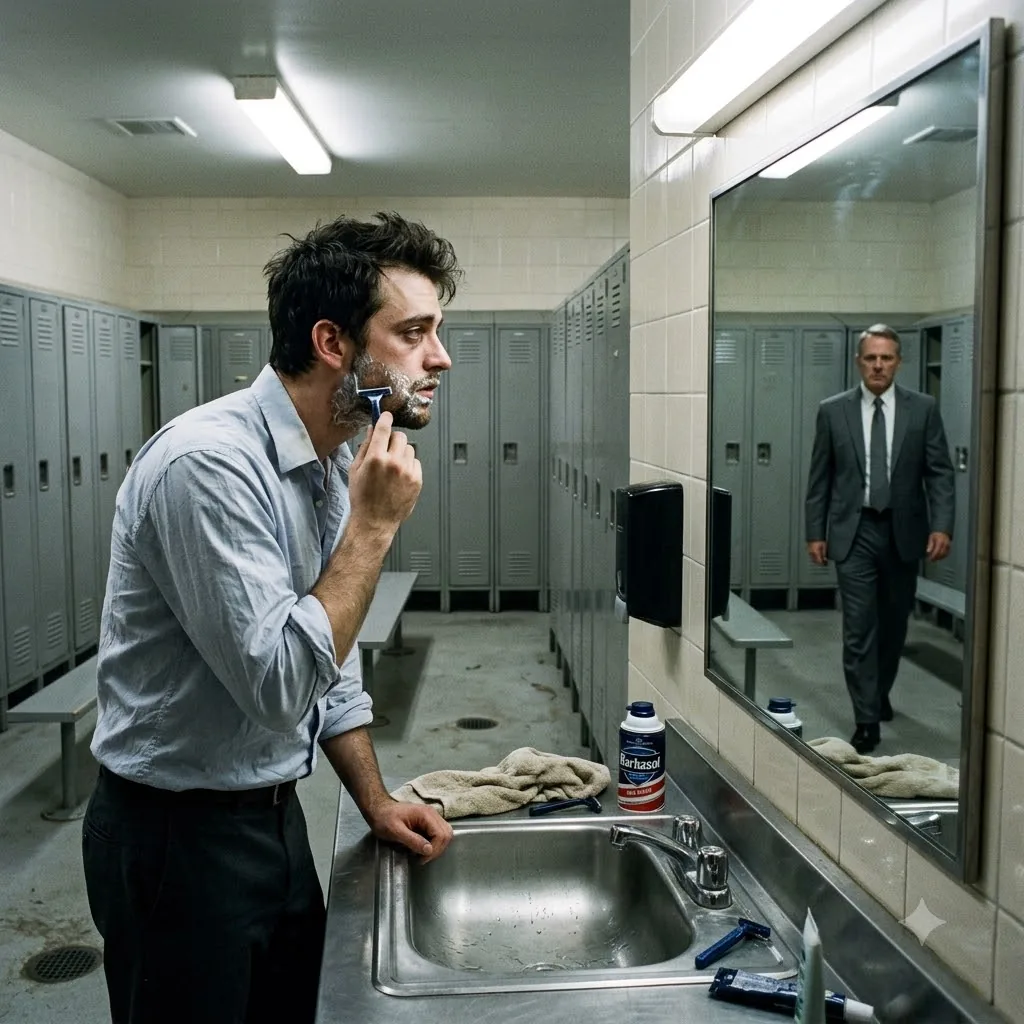
But the freezing concrete of the campus parking lots had already claimed its permanent toll. The weeks of sleeping in a sub-zero hatchback, breathing freezing condensation, had done irreversible damage to my respiratory system. By the time I moved my meager boxes into my new apartment, the rattling cough I had tried to ignore in the locker room had bloomed into severe chronic bronchitis. Every morning, I woke up gasping for air, my chest seizing in violent, barking spasms that tasted of copper and stale blood. The private pulmonologist I could now easily afford looked at my X-rays with a grim expression, handing me expensive steroid inhalers and a harsh reality: the inflammation in my bronchial tubes was permanent. I would carry the ghost of that freezing Z-lot in my chest for the rest of my life.
The settlement money provided unassailable shelter, but it could not buy back my vocation. The non-disclosure agreement legally protected me, but academia is an incredibly small, fiercely insular ecosystem. Word of my abrupt, highly compensated departure spread rapidly through the departmental whisper networks. I spent the spring applying for dozens of adjunct positions at community colleges and state schools within a three-hundred-mile radius. None of them offered me so much as a preliminary phone interview.
A former colleague finally took pity on me and called from an unlisted number. He explained that Vance, who had successfully capitalized on Thorne’s sudden exit to become the Interim Dean, had made a few quiet phone calls to his peers at other institutions. I was officially labeled a radioactive liability. I was the adjunct who had cornered a Dean and burned a major university donor. No department chair in the country would ever risk hiring a whistleblower. I was permanently, irrevocably blacklisted from the only career I had ever wanted.
Now, six months later, I sit in my warm, sunlit living room. Outside, the first brutal frost of the new winter is settling over the city streets. I watch the ice crystalizing on the windowpane from the comfort of a heavy, upholstered armchair, a mug of steaming tea resting in my hands. I don’t have to map out which campus maintenance buildings leave their side doors unlocked. I don’t have to ration a tiny propane heater or calculate the exact fuel mileage needed to evade security patrols.
I am entirely secure. And I am completely obsolete.
I watch a small group of bundled university students walk past my apartment building below, their thick scarves wrapped tight against the wind as they argue loudly about a philosophy paper. A familiar, sharp ache blooms in my chest-a phantom limb reaching for a chalkboard I will never be allowed to touch again. I take a deep breath to settle the bitter feeling, but my damaged lungs catch on the cold air radiating from the glass. The breath turns to jagged shrapnel in my throat. I bend forward, coughing violently into the absolute silence of my expensive, empty room, the wet, rattling sound echoing off the bare walls, a permanent reminder of exactly what my survival cost.