Story code: ST-000678
Part 1: The Zoning Board
Liam’s phone vibrated on the workbench, rattling against a scattered handful of hex screws. He wiped bike grease on a rag and tapped the illuminated screen. The notification was from David Chen, a high school friend he had not seen since graduation day a decade ago. The message contained a link to a local government stream and a short line of text.
Someone sent me this and you need to tell me it is not your mother.
Liam swiped away the lock screen and opened the browser. The video loaded with the sterile, fluorescent glare typical of municipal broadcasts. The chyron across the bottom of the feed read Mercer Island City Council, Zoning Board Open Forum. A timestamp blinked in the corner, indicating the footage was recorded on Tuesday evening.
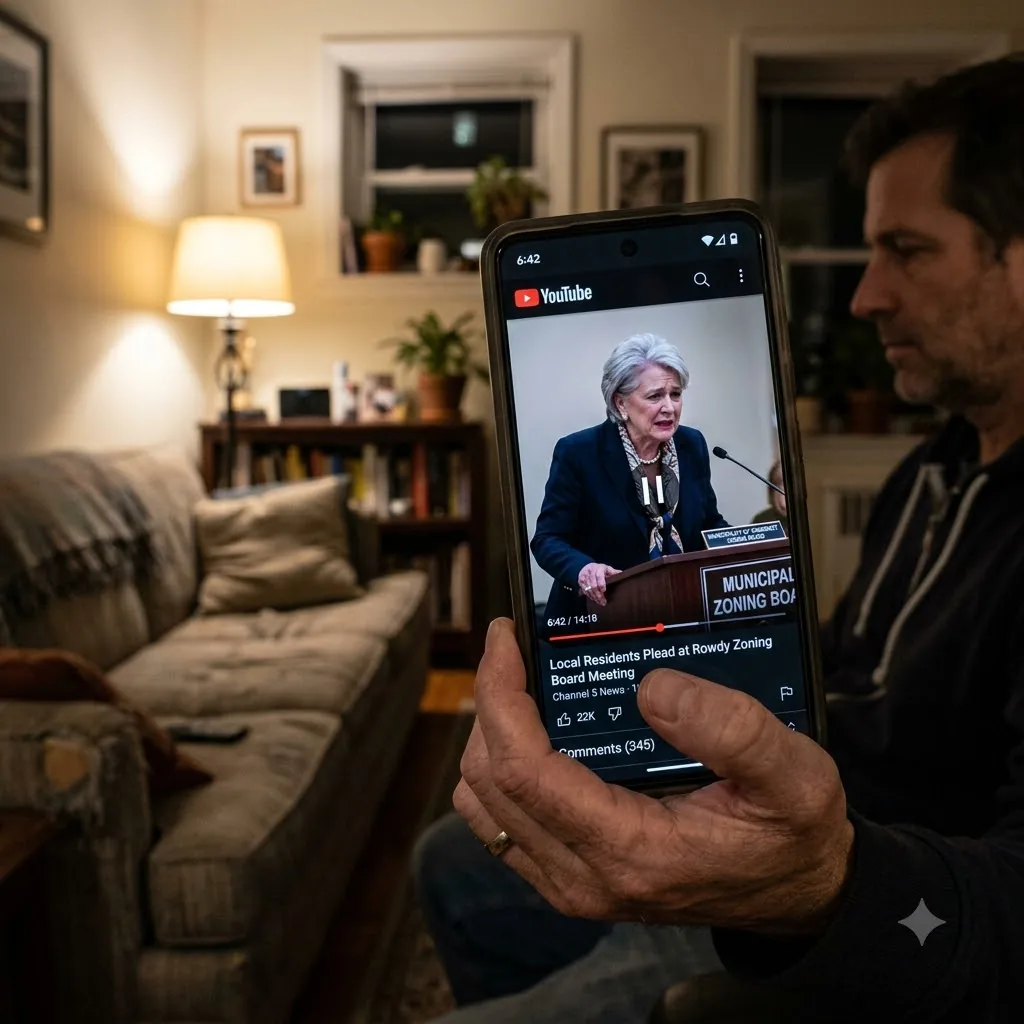
The camera angle was wide, capturing a semi-circle of bored-looking council members sitting behind a raised oak desk. Then the view cut to the public podium.
Barbara gripped the edges of the wooden stand. She wore her beige cashmere wrap, her posture rigid, her silver hair perfectly coiffed. Liam felt a familiar, heavy drop in his stomach. He had not seen her face in three years. He had blocked her number, forwarded her emails to a dead folder, and moved across Lake Washington to an industrial neighborhood where no one knew his last name. He had spent thirty-six months building a quiet, predictable life out of the wreckage she had helped create.
Now she was broadcasting that wreckage to the wealthiest zip code in the state.
Liam tapped the volume button on the side of his phone. Barbara’s voice filled the empty bike shop. She was leaning into the microphone, creating a harsh burst of static before she modulated her tone to a soft, breathy register.
“I come before you tonight not just as a resident of this beautiful community, but as a mother who knows the dark reality of what we are inviting into our neighborhoods,” Barbara said.
She reached into her designer purse and produced a folded white tissue. She did not wipe her eyes immediately. She held it in her hand, a highly visible prop of distress.
“The proposed transitional housing project on Eighty-Fourth Avenue is well-intentioned,” she continued, her voice catching perfectly on the last syllable. “But good intentions cannot protect us. I know this because I spent years trying to save a troubled relative. A young man who was given every advantage, every opportunity, and still brought chaos, theft, and violence into our home.”
Liam went perfectly still. The grease on his knuckles felt cold.
“We tried to help him,” Barbara told the silent room. “But the reality of severe instability is that it does not respect boundaries. It does not respect property. It brings an element of danger that no neighborhood watch can deter. If you approve this facility, you are bringing that same unpredictable danger to the sidewalks where our children walk to school.”
She paused to dab the corner of her eye with the tissue. A murmur of sympathy rippled through the invisible crowd in the gallery. The council president leaned forward, his expression softening with obvious pity.
Liam stared at the glowing screen. She was talking about him. She was using the absolute worst year of his life as a political weapon to block an affordable housing initiative. She did not use his name, but she openly weaponized his precise medical diagnosis from five years ago. She detailed the exact timeline of his breakdown, spinning his private, desperate struggle into a horror story designed to terrify rich homeowners.
She omitted the part where she had kicked him out during a December freeze. She omitted the part where he had to drag himself into a free county clinic because she refused to let his father pay for treatment that might look bad on their insurance statement. In her version of the story, she was a tragic hero, a weeping martyr trying to shield Mercer Island from the terrifying unhoused population.
The camera caught a wide shot of the audience. Liam recognized three of his mother’s country club friends nodding solemnly in the front row. They knew exactly who she was talking about. She was standing at a public podium, cementing his reputation as a dangerous degenerate just to preserve her property values.
“I beg you to vote against the housing initiative,” Barbara said, her voice dropping to a theatrical whisper. “Do not let my family’s tragedy become this island’s reality.”
The video ended with polite, somber applause from the council members.
Liam set the phone down on the workbench. The screen faded to black. His hands were shaking, not from sorrow, but from a sudden, blinding rush of adrenaline. Three years of intensive therapy had drilled one primary rule into his head. Total non-engagement. His therapist had made him write it down on a physical card he carried in his wallet. He was never to react to her provocations, never to defend himself against her smear campaigns, and never to break the wall of silence that kept him sane.
He looked at the dark screen of his phone, then at the clock on the shop wall. It was Thursday evening. The Mercer Island Rotary Club was hosting its annual silent auction right now at the local event center, and Barbara never missed a chance to be seen bidding on centerpieces.
Liam grabbed a rough shop towel, violently wiping the black grease from his palms. He threw the towel into the metal bin, pulled his car keys off the pegboard, and walked out the front door, pulling the heavy metal security grate down behind him with a deafening crash.
Liam’s phone vibrated on the workbench, rattling against a scattered handful of hex screws. He wiped bike grease on a rag and tapped the illuminated screen. The notification was from David Chen, a high school friend he had not seen since graduation day a decade ago. The message contained a link to a local government stream and a short line of text.
Someone sent me this and you need to tell me it is not your mother.
Liam swiped away the lock screen and opened the browser. The video loaded with the sterile, fluorescent glare typical of municipal broadcasts. The chyron across the bottom of the feed read Mercer Island City Council, Zoning Board Open Forum. A timestamp blinked in the corner, indicating the footage was recorded on Tuesday evening.
The camera angle was wide, capturing a semi-circle of bored-looking council members sitting behind a raised oak desk. Then the view cut to the public podium.
Barbara gripped the edges of the wooden stand. She wore her beige cashmere wrap, her posture rigid, her silver hair perfectly coiffed. Liam felt a familiar, heavy drop in his stomach. He had not seen her face in three years. He had blocked her number, forwarded her emails to a dead folder, and moved across Lake Washington to an industrial neighborhood where no one knew his last name. He had spent thirty-six months building a quiet, predictable life out of the wreckage she had helped create.
Now she was broadcasting that wreckage to the wealthiest zip code in the state.
Liam tapped the volume button on the side of his phone. Barbara’s voice filled the empty bike shop. She was leaning into the microphone, creating a harsh burst of static before she modulated her tone to a soft, breathy register.
“I come before you tonight not just as a resident of this beautiful community, but as a mother who knows the dark reality of what we are inviting into our neighborhoods,” Barbara said.
She reached into her designer purse and produced a folded white tissue. She did not wipe her eyes immediately. She held it in her hand, a highly visible prop of distress.
“The proposed transitional housing project on Eighty-Fourth Avenue is well-intentioned,” she continued, her voice catching perfectly on the last syllable. “But good intentions cannot protect us. I know this because I spent years trying to save a troubled relative. A young man who was given every advantage, every opportunity, and still brought chaos, theft, and violence into our home.”
Liam went perfectly still. The grease on his knuckles felt cold.
“We tried to help him,” Barbara told the silent room. “But the reality of severe instability is that it does not respect boundaries. It does not respect property. It brings an element of danger that no neighborhood watch can deter. If you approve this facility, you are bringing that same unpredictable danger to the sidewalks where our children walk to school.”
She paused to dab the corner of her eye with the tissue. A murmur of sympathy rippled through the invisible crowd in the gallery. The council president leaned forward, his expression softening with obvious pity.
Liam stared at the glowing screen. She was talking about him. She was using the absolute worst year of his life as a political weapon to block an affordable housing initiative. She did not use his name, but she openly weaponized his precise medical diagnosis from five years ago. She detailed the exact timeline of his breakdown, spinning his private, desperate struggle into a horror story designed to terrify rich homeowners.
She omitted the part where she had kicked him out during a December freeze. She omitted the part where he had to drag himself into a free county clinic because she refused to let his father pay for treatment that might look bad on their insurance statement. In her version of the story, she was a tragic hero, a weeping martyr trying to shield Mercer Island from the terrifying unhoused population.
The camera caught a wide shot of the audience. Liam recognized three of his mother’s country club friends nodding solemnly in the front row. They knew exactly who she was talking about. She was standing at a public podium, cementing his reputation as a dangerous degenerate just to preserve her property values.
“I beg you to vote against the housing initiative,” Barbara said, her voice dropping to a theatrical whisper. “Do not let my family’s tragedy become this island’s reality.”
The video ended with polite, somber applause from the council members.
Liam set the phone down on the workbench. The screen faded to black. His hands were shaking, not from sorrow, but from a sudden, blinding rush of adrenaline. Three years of intensive therapy had drilled one primary rule into his head. Total non-engagement. His therapist had made him write it down on a physical card he carried in his wallet. He was never to react to her provocations, never to defend himself against her smear campaigns, and never to break the wall of silence that kept him sane.
He looked at the dark screen of his phone, then at the clock on the shop wall. It was Thursday evening. The Mercer Island Rotary Club was hosting its annual silent auction right now at the local event center, and Barbara never missed a chance to be seen bidding on centerpieces.
Liam grabbed a rough shop towel, violently wiping the black grease from his palms. He threw the towel into the metal bin, pulled his car keys off the pegboard, and walked out the front door, pulling the heavy metal security grate down behind him with a deafening crash.