Story code: ST-000701
Part 1: The Mailbox Standoff
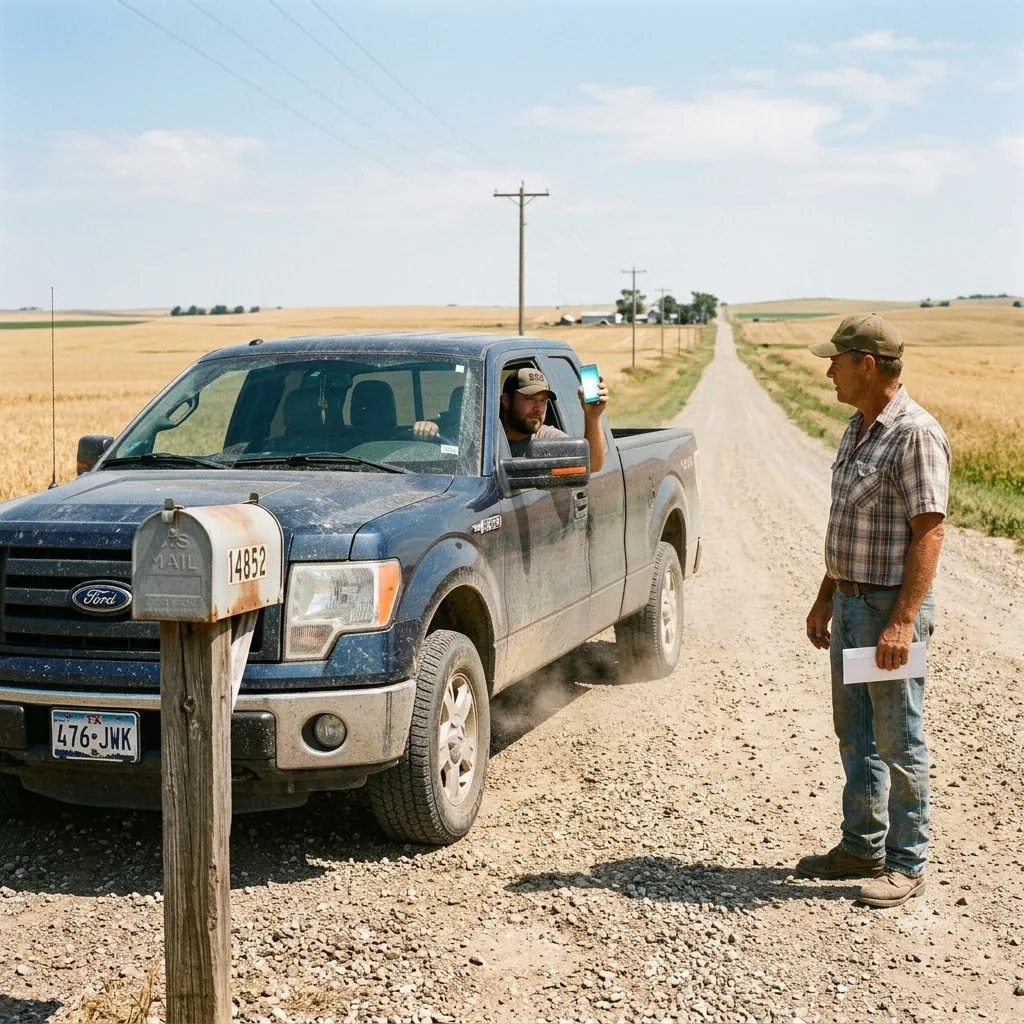
Mateo’s knuckles turned white around the thick, sealed envelope holding his Department of Labor complaint, his hand hovering just inches from the rusty drop slot of the rural highway mailbox. The sudden, looming shadow of a Ford F-250 fell over him, its massive chrome grille silently cutting off his path back to the dirt road. Harlan had found him.
The idling engine rumbled in a low, steady vibration that traveled through the gravel and up into Mateo’s boots. Dust swirled around the heavy tires, coating the dry weeds at the edge of the ditch. Mateo froze, his shoulder blades pulled tight, the envelope pressed flat against his thigh in a futile attempt to hide it. The blue collection box felt like a block of ice against his back despite the suffocating afternoon heat.
He needed this envelope to disappear into the dark belly of the metal box. Inside the paper casing sat the agonizing mathematics of his survival. Three months of unpaid hours, meticulously logged on grease-stained notebook paper, sat folded alongside a copy of the bright pink eviction notice currently taped to his apartment door. The local labor advocate had told him dropping this in the mail was the only way to force the state to retrieve his withheld wages. Without that money, his family would be out on the street by Friday morning.
The truck inched forward. The heavy steel bumper forced Mateo to step backward, his spine pressing hard into the mailbox. The metal hinges dug into his vertebrae. He was entirely boxed in, trapped between a quarter-ton of Detroit steel and the edge of a steep drainage culvert.
Harlan killed the engine. The mechanical roar died instantly, leaving behind a silence that felt heavier than the truck itself. It was the absolute quiet of an isolated county highway with no witnesses. The only sound left was the frantic rasp of cicadas in the dead brush and the blood rushing in Mateo’s ears.
The tinted glass of the driver’s side window slid down with a quiet, electric hum. Harlan sat behind the wheel, staring straight ahead through the dusty windshield. He did not look at Mateo. He did not yell. He did not demand the envelope. His silence was a suffocating blanket thrown over the scene.
Mateo’s eyes locked onto Harlan’s right hand, which rested heavily on the center console. Harlan gripped his smartphone. The screen glowed with a harsh, glaring brightness in the dim shadows of the cab. Harlan’s thick, calloused thumb hovered motionless over the green call button.
The digits punched into the phone’s keypad were large, stark, and unmistakable. It began with a 1-866 prefix. Mateo recognized the sequence instantly. It was the same toll-free prefix printed in bold red ink on the immigration enforcement tip line posters that someone kept taping up in the agricultural supply store breakroom.
A cold sweat broke out across the back of Mateo’s neck. The threat was entirely wordless and completely absolute. If Mateo moved his arm upward to drop the envelope into the slot, Harlan’s thumb would press down. One tap on the glass screen, and the eviction notice on Mateo’s door would be the least of his problems. He pictured his wife frantically packing their belongings into trash bags, his children terrified in the back of a detention transport van.
Yet, as the seconds stretched into an agonizing standoff, Mateo noticed something strange about the man behind the wheel. Harlan’s face was uncharacteristically pale, the lines around his mouth drawn tight with a rigid, unnatural tension. He looked exhausted, his breathing shallow and rapid. A fine tremor shook Harlan’s hand holding the phone. It was an odd, brittle fragility in a man who owned hundreds of acres of fertile valley soil. Mateo could not fathom why a boss with so much land and power would personally track down a single worker over a few thousand dollars in back pay, or why Harlan looked like a man standing on the edge of a cliff.
The envelope burned against Mateo’s leg. The eviction was a certainty. The phone call was an immediate end to his life here. The distance to the drop slot was less than an arm’s length.
Mateo shifted his weight to his left foot, tensing his shoulder to make a sudden, desperate lunge for the rusty metal opening.
Harlan’s thumb twitched downward toward the glass.
Mateo’s knuckles turned white around the thick, sealed envelope holding his Department of Labor complaint, his hand hovering just inches from the rusty drop slot of the rural highway mailbox. The sudden, looming shadow of a Ford F-250 fell over him, its massive chrome grille silently cutting off his path back to the dirt road. Harlan had found him.
The idling engine rumbled in a low, steady vibration that traveled through the gravel and up into Mateo’s boots. Dust swirled around the heavy tires, coating the dry weeds at the edge of the ditch. Mateo froze, his shoulder blades pulled tight, the envelope pressed flat against his thigh in a futile attempt to hide it. The blue collection box felt like a block of ice against his back despite the suffocating afternoon heat.
He needed this envelope to disappear into the dark belly of the metal box. Inside the paper casing sat the agonizing mathematics of his survival. Three months of unpaid hours, meticulously logged on grease-stained notebook paper, sat folded alongside a copy of the bright pink eviction notice currently taped to his apartment door. The local labor advocate had told him dropping this in the mail was the only way to force the state to retrieve his withheld wages. Without that money, his family would be out on the street by Friday morning.
The truck inched forward. The heavy steel bumper forced Mateo to step backward, his spine pressing hard into the mailbox. The metal hinges dug into his vertebrae. He was entirely boxed in, trapped between a quarter-ton of Detroit steel and the edge of a steep drainage culvert.
Harlan killed the engine. The mechanical roar died instantly, leaving behind a silence that felt heavier than the truck itself. It was the absolute quiet of an isolated county highway with no witnesses. The only sound left was the frantic rasp of cicadas in the dead brush and the blood rushing in Mateo’s ears.
The tinted glass of the driver’s side window slid down with a quiet, electric hum. Harlan sat behind the wheel, staring straight ahead through the dusty windshield. He did not look at Mateo. He did not yell. He did not demand the envelope. His silence was a suffocating blanket thrown over the scene.
Mateo’s eyes locked onto Harlan’s right hand, which rested heavily on the center console. Harlan gripped his smartphone. The screen glowed with a harsh, glaring brightness in the dim shadows of the cab. Harlan’s thick, calloused thumb hovered motionless over the green call button.
The digits punched into the phone’s keypad were large, stark, and unmistakable. It began with a 1-866 prefix. Mateo recognized the sequence instantly. It was the same toll-free prefix printed in bold red ink on the immigration enforcement tip line posters that someone kept taping up in the agricultural supply store breakroom.
A cold sweat broke out across the back of Mateo’s neck. The threat was entirely wordless and completely absolute. If Mateo moved his arm upward to drop the envelope into the slot, Harlan’s thumb would press down. One tap on the glass screen, and the eviction notice on Mateo’s door would be the least of his problems. He pictured his wife frantically packing their belongings into trash bags, his children terrified in the back of a detention transport van.
Yet, as the seconds stretched into an agonizing standoff, Mateo noticed something strange about the man behind the wheel. Harlan’s face was uncharacteristically pale, the lines around his mouth drawn tight with a rigid, unnatural tension. He looked exhausted, his breathing shallow and rapid. A fine tremor shook Harlan’s hand holding the phone. It was an odd, brittle fragility in a man who owned hundreds of acres of fertile valley soil. Mateo could not fathom why a boss with so much land and power would personally track down a single worker over a few thousand dollars in back pay, or why Harlan looked like a man standing on the edge of a cliff.
The envelope burned against Mateo’s leg. The eviction was a certainty. The phone call was an immediate end to his life here. The distance to the drop slot was less than an arm’s length.
Mateo shifted his weight to his left foot, tensing his shoulder to make a sudden, desperate lunge for the rusty metal opening.
Harlan’s thumb twitched downward toward the glass.