Story code: ST-000711
Part 1: The Midnight Sweep
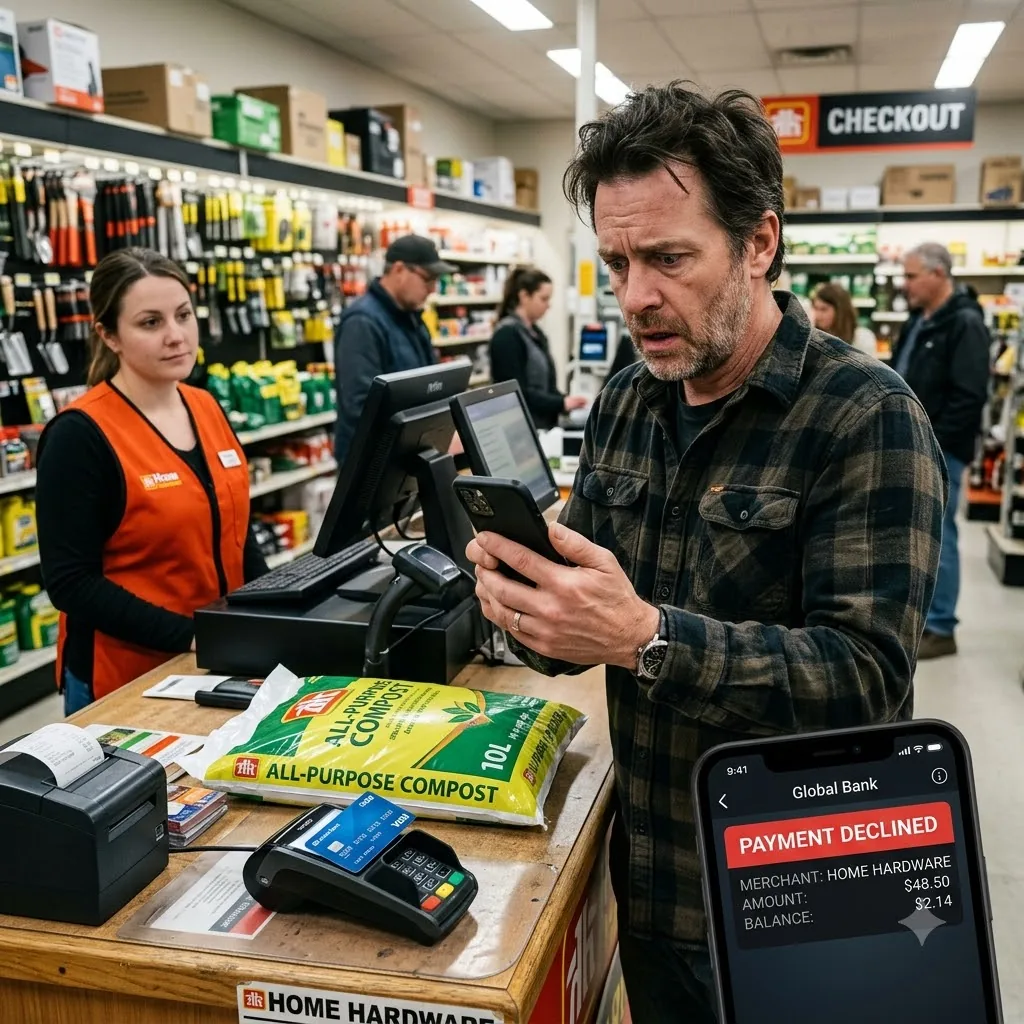
The plastic card terminal flashed a hard, flat crimson. The machine emitted a sharp double-beep, signaling a hard decline. Elias stared at the digital display, his thumb still hovering over the green confirmation button. Six bags of premium organic compost sat heavy on the metal checkout counter, damp soil leaking slightly from a torn corner. The cashier shifted her weight and looked past him to the growing line of Saturday morning hardware store customers.
Elias muttered an apology and dug into his pocket for his phone. He tapped his banking app, expecting a simple fraud freeze to clear. He had warned the bank about his upcoming purchase of landscaping stones and soil. The facial recognition icon spun, then the dashboard loaded.
The air left his lungs in a single, painful rush.
His primary checking account balance sat at twelve dollars and forty cents. Just yesterday, that number had been safely over two thousand dollars. He braced his elbow against a display rack of work gloves and tapped the recent transactions tab. A cascading wall of red text filled the screen. The withdrawals were brutal, identical, and terrifyingly fast.
Minus two hundred and fifty dollars.
Minus two hundred and fifty dollars.
Minus two hundred and fifty dollars.
He scrolled down, counting seven identical charges. A total of one thousand seven hundred and fifty dollars had been surgically extracted from his account. The timestamps were all identical, logged precisely at 2:14 AM while he was asleep. The merchant name attached to every single line item read exactly the same.
CommunityGuard AI.
Elias stepped out of the checkout lane, gesturing for the cashier to suspend the transaction. The automatic doors slid open, hitting him with the humid morning heat as he walked out to the parking lot. His hands shook as he dialed the direct extension for the Oakridge Estates Homeowners Association compliance office. The phone rang four times before Marcus picked up, the sounds of a televised golf tournament murmuring in the background.
Elias did not offer a greeting. He read the transaction history aloud, his voice tight with barely controlled panic. He demanded a complete reversal of the funds and an immediate explanation for the midnight raid on his bank account.
Marcus sighed, emitting the heavy, put-upon sound of a man forced to do actual work on a weekend. The clicking of a mechanical keyboard echoed through the receiver.
Elias paced the length of his truck. He reminded Marcus that the new automated community management software had only been active for three days. The board had promised the system would merely send warning emails regarding garbage cans left out too late or unapproved mailbox paint colors. They had sworn the payment portal integration was solely for collecting the standard monthly dues.
Marcus stopped typing. He read from his screen in a flat, monotone drone. The system had flagged Elias’s property at exactly two in the morning during its scheduled visual sweep via the new streetlamp cameras. The AI cataloged the front yard. It measured the height of the vegetation. The software referenced the community bylaws regarding turf grass, which mandated a strict maximum height of four inches.
Elias stopped pacing. He stared at the asphalt. He reminded the compliance officer that his front yard did not contain turf grass. It was a registered, state-recognized native pollinator garden. The HOA board had reluctantly approved the blueprints three years ago. The files were sitting in the very office Marcus was currently occupying.
Marcus replied that the new AI system did not read dusty paper files from three administrations ago. The software utilized standard optical recognition. It saw vegetation exceeding four inches. It issued a fine. Since the yard featured seven distinct planting beds, the system logged seven separate infractions. The new digital covenant everyone signed to access the updated community gate allowed for immediate auto-drafting of penalty fees.
Elias gripped the phone tighter, the plastic creaking under his fingers. He told Marcus to access the override panel and manually pause the software until the board could review the physical permits.
Marcus flatly refused. He stated that the board had locked the AI’s administrative privileges to prevent human bias or favoritism. The system operated on strict, unyielding logic. If a violation existed, it acted. There was no pause button for a single resident, and tampering with the active monitoring queue was a breach of his employment contract.
Elias ordered him to walk out to the filing cabinet and look at the stamped approval letter. He insisted the money had to be returned today, as his mortgage auto-pay was scheduled to clear on Monday morning. A bounced mortgage payment would trigger a cascade of overdraft fees he could not afford.
Marcus said the dispute process required filing a digital ticket through the resident portal. The automated review board would process the ticket within fourteen to twenty-one business days. In the meantime, the system would continue its nightly sweeps.
A sharp chime sounded directly in Elias’s ear. He pulled the phone away from his face to look at the screen. A new push notification had just dropped down from his banking app.
It was a fresh alert from CommunityGuard AI, attempting to process an eighth charge for two hundred and fifty dollars.
Elias yelled into the phone, demanding to know what the cameras were looking at in broad daylight. Marcus fell entirely silent on the other end of the line. The rhythmic clicking of his keyboard completely stopped.
A second alert pinged on Elias’s screen, followed instantly by a third, the red banners stacking over each other as the automated system began executing a rapid-fire sequence of mid-morning drafts.
The plastic card terminal flashed a hard, flat crimson. The machine emitted a sharp double-beep, signaling a hard decline. Elias stared at the digital display, his thumb still hovering over the green confirmation button. Six bags of premium organic compost sat heavy on the metal checkout counter, damp soil leaking slightly from a torn corner. The cashier shifted her weight and looked past him to the growing line of Saturday morning hardware store customers.
Elias muttered an apology and dug into his pocket for his phone. He tapped his banking app, expecting a simple fraud freeze to clear. He had warned the bank about his upcoming purchase of landscaping stones and soil. The facial recognition icon spun, then the dashboard loaded.
The air left his lungs in a single, painful rush.
His primary checking account balance sat at twelve dollars and forty cents. Just yesterday, that number had been safely over two thousand dollars. He braced his elbow against a display rack of work gloves and tapped the recent transactions tab. A cascading wall of red text filled the screen. The withdrawals were brutal, identical, and terrifyingly fast.
Minus two hundred and fifty dollars.
Minus two hundred and fifty dollars.
Minus two hundred and fifty dollars.
He scrolled down, counting seven identical charges. A total of one thousand seven hundred and fifty dollars had been surgically extracted from his account. The timestamps were all identical, logged precisely at 2:14 AM while he was asleep. The merchant name attached to every single line item read exactly the same.
CommunityGuard AI.
Elias stepped out of the checkout lane, gesturing for the cashier to suspend the transaction. The automatic doors slid open, hitting him with the humid morning heat as he walked out to the parking lot. His hands shook as he dialed the direct extension for the Oakridge Estates Homeowners Association compliance office. The phone rang four times before Marcus picked up, the sounds of a televised golf tournament murmuring in the background.
Elias did not offer a greeting. He read the transaction history aloud, his voice tight with barely controlled panic. He demanded a complete reversal of the funds and an immediate explanation for the midnight raid on his bank account.
Marcus sighed, emitting the heavy, put-upon sound of a man forced to do actual work on a weekend. The clicking of a mechanical keyboard echoed through the receiver.
Elias paced the length of his truck. He reminded Marcus that the new automated community management software had only been active for three days. The board had promised the system would merely send warning emails regarding garbage cans left out too late or unapproved mailbox paint colors. They had sworn the payment portal integration was solely for collecting the standard monthly dues.
Marcus stopped typing. He read from his screen in a flat, monotone drone. The system had flagged Elias’s property at exactly two in the morning during its scheduled visual sweep via the new streetlamp cameras. The AI cataloged the front yard. It measured the height of the vegetation. The software referenced the community bylaws regarding turf grass, which mandated a strict maximum height of four inches.
Elias stopped pacing. He stared at the asphalt. He reminded the compliance officer that his front yard did not contain turf grass. It was a registered, state-recognized native pollinator garden. The HOA board had reluctantly approved the blueprints three years ago. The files were sitting in the very office Marcus was currently occupying.
Marcus replied that the new AI system did not read dusty paper files from three administrations ago. The software utilized standard optical recognition. It saw vegetation exceeding four inches. It issued a fine. Since the yard featured seven distinct planting beds, the system logged seven separate infractions. The new digital covenant everyone signed to access the updated community gate allowed for immediate auto-drafting of penalty fees.
Elias gripped the phone tighter, the plastic creaking under his fingers. He told Marcus to access the override panel and manually pause the software until the board could review the physical permits.
Marcus flatly refused. He stated that the board had locked the AI’s administrative privileges to prevent human bias or favoritism. The system operated on strict, unyielding logic. If a violation existed, it acted. There was no pause button for a single resident, and tampering with the active monitoring queue was a breach of his employment contract.
Elias ordered him to walk out to the filing cabinet and look at the stamped approval letter. He insisted the money had to be returned today, as his mortgage auto-pay was scheduled to clear on Monday morning. A bounced mortgage payment would trigger a cascade of overdraft fees he could not afford.
Marcus said the dispute process required filing a digital ticket through the resident portal. The automated review board would process the ticket within fourteen to twenty-one business days. In the meantime, the system would continue its nightly sweeps.
A sharp chime sounded directly in Elias’s ear. He pulled the phone away from his face to look at the screen. A new push notification had just dropped down from his banking app.
It was a fresh alert from CommunityGuard AI, attempting to process an eighth charge for two hundred and fifty dollars.
Elias yelled into the phone, demanding to know what the cameras were looking at in broad daylight. Marcus fell entirely silent on the other end of the line. The rhythmic clicking of his keyboard completely stopped.
A second alert pinged on Elias’s screen, followed instantly by a third, the red banners stacking over each other as the automated system began executing a rapid-fire sequence of mid-morning drafts.