Story code: ST-000726
Part 1: The Perfect Armor
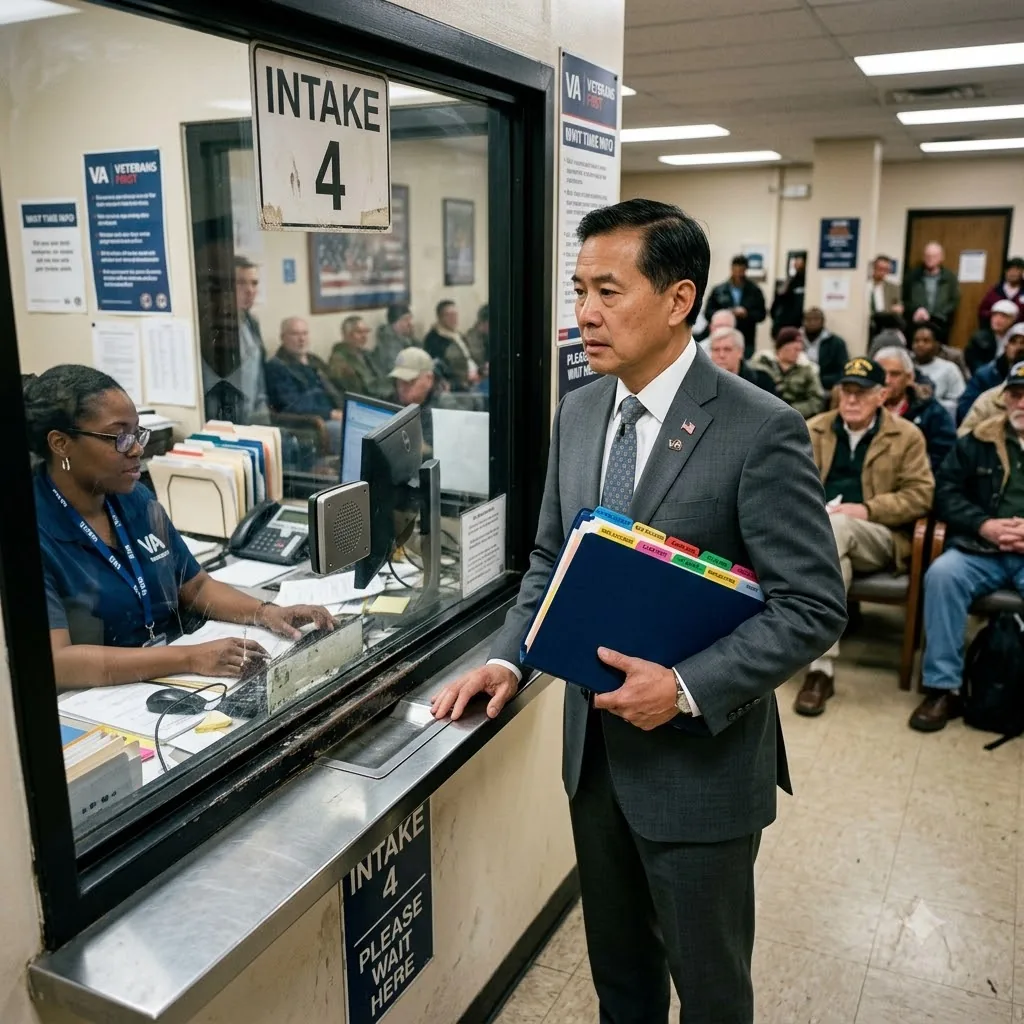
David adjusted the Windsor knot of his navy silk tie for the fourth time in ten minutes, desperate to ignore the flickering fluorescent bulb buzzing over the chaotic VA waiting area. The crisp, razor-sharp crease in his wool trousers gave his trembling hands an anchor. If his outward appearance remained flawless, the sprawling room of coughing, shuffling veterans might not notice he had not slept a single hour in nineteen days. He picked a microscopic piece of lint from his lapel, smoothing the fabric over his chest. He focused entirely on the repetitive motion of his thumb against the expensive Italian wool.
Every blink felt like sandpaper scraping against his corneas. The prolonged wakefulness had turned his brain into a fragile glass terrarium, vibrating with terrible, suppressed energy. To keep the glass from shattering, he maintained strict control over his physical environment. His tie was perfectly symmetrical. His fingernails were buffed and clean. His oxfords mirrored the harsh overhead lighting. Control over the exterior meant control over the interior.
The air in the clinic smelled of stale coffee and industrial floor cleaner. To David’s left, a man in a faded field jacket muttered to himself while pacing the linoleum. To his right, someone coughed with a wet, rattling intensity. David kept his posture rigidly straight. Slouching was the first sign of surrender. If he surrendered, the shadows that crawled at the edges of his vision would finally pull him under. The tailored suit was armor. It was the only thing holding his fractured mind together. He checked his reflection in the dark glass of his phone screen, ensuring his hair remained perfectly parted and cemented with pomade. Not a single strand out of place.
A robotic voice chimed over the intercom, calling number eighty-two to window four.
David stood, buttoning his jacket with practiced, fluid precision. He gripped his leather folio tightly, marching toward the thick plexiglass barrier. He stopped exactly at the taped red line on the floor, waited for the previous patient to shuffle away, and then stepped forward.
The clerk behind the glass wore a crooked nametag that read Susan. She rubbed her temples with the heels of her hands, radiating exhaustion. Her desk was a disaster of stacked manila folders and neon sticky notes. Susan finally looked up, her tired eyes scanning David from his polished shoes to his manicured cuticles. Her posture immediately shifted from weary resignation to rigid annoyance. She tapped her keyboard, pulling up his file on her monitor.
“State your reason for an emergency walk-in,” Susan muttered, not hiding her deep sigh. “You skipped the standard scheduling queue.”
“I am requesting an immediate psychiatric consult,” David said, his voice meticulously level. “My standard provider is unavailable, and my symptoms have escalated beyond manageable parameters.”
Susan scrolled down her screen. Her eyes darted back to his silk tie. She leaned closer to the microphone. “Mr. Vance, your file indicates you are fully employed at a logistics firm. You have a highly stable income. You have private insurance. The emergency walk-in queue is heavily backlogged with people sleeping under highway overpasses.”
“I understand the strain on the system,” David replied smoothly, though a cold sweat broke out along his collar. “I am willing to wait as long as necessary today. I just need to speak with a trauma specialist. I am experiencing severe auditory and visual disturbances.”
Susan let out a sharp, dismissive laugh, shaking her head. “You look like you just stepped out of a boardroom, Mr. Vance. You are not in acute distress. I can put you down for an intake appointment in six weeks.”
“Six weeks is unacceptable,” David stated, his knuckles turning white around his leather folio. “I cannot function. I am heavily sleep-deprived. I am telling you, I am a danger to myself if I do not get stabilization.”
Susan leaned back, clearly offended by his persistence. She gestured toward the waiting room, a sweeping motion meant to shame him. “Look at the people sitting behind you. They are struggling. They need immediate triage. You are taking up space in a line designed for people whose lives have fallen apart. Go back to your office, Mr. Vance. Call your private doctor.”
David opened his mouth to deliver a carefully rehearsed, polite rebuttal. He needed to explain the insomnia. He needed to explain the visions.
Before the first word left his lips, a maintenance worker dropped a metal tool tray in the hallway behind the waiting room. The heavy steel hit the concrete floor with a deafening, sharp crack.
The sound bypassed David’s eardrums and struck directly into his brainstem. It was the crack of a sniper’s rifle echoing off a canyon wall.
His flawless composure shattered in a fraction of a second. David lunged forward, slamming his entire body weight against the plexiglass window. His polished oxfords slipped on the linoleum as he scrambled for cover. He struck the barrier so hard the reinforced glass bowed inward. His leather folio flew across the room, scattering his meticulously organized medical records over the dirty floor.
“Get down,” David roared, his voice tearing from his throat in a primal, guttural scream.
Susan shrieked, falling backward out of her rolling chair as David clawed desperately at the narrow opening under the glass. His manicured fingernails scraped violently against the steel counter, tearing the nail beds until they bled. He was trying to drag her out of the line of fire. He shoved his arm through the document slot, knocking over her coffee cup, sending a dark wave of liquid across her keyboard.
“They have the ridge,” David screamed, his perfectly parted hair falling wildly into his frantic, dilated eyes. “Get down.”
Two security guards bolted from the far end of the room, their heavy boots thudding against the floor. David did not see guards. He saw hostiles rushing his position. He ripped his arm out of the document slot, smearing his own blood across the pristine white cuff of his tailored shirt, and turned to face the advancing threat.
David adjusted the Windsor knot of his navy silk tie for the fourth time in ten minutes, desperate to ignore the flickering fluorescent bulb buzzing over the chaotic VA waiting area. The crisp, razor-sharp crease in his wool trousers gave his trembling hands an anchor. If his outward appearance remained flawless, the sprawling room of coughing, shuffling veterans might not notice he had not slept a single hour in nineteen days. He picked a microscopic piece of lint from his lapel, smoothing the fabric over his chest. He focused entirely on the repetitive motion of his thumb against the expensive Italian wool.
Every blink felt like sandpaper scraping against his corneas. The prolonged wakefulness had turned his brain into a fragile glass terrarium, vibrating with terrible, suppressed energy. To keep the glass from shattering, he maintained strict control over his physical environment. His tie was perfectly symmetrical. His fingernails were buffed and clean. His oxfords mirrored the harsh overhead lighting. Control over the exterior meant control over the interior.
The air in the clinic smelled of stale coffee and industrial floor cleaner. To David’s left, a man in a faded field jacket muttered to himself while pacing the linoleum. To his right, someone coughed with a wet, rattling intensity. David kept his posture rigidly straight. Slouching was the first sign of surrender. If he surrendered, the shadows that crawled at the edges of his vision would finally pull him under. The tailored suit was armor. It was the only thing holding his fractured mind together. He checked his reflection in the dark glass of his phone screen, ensuring his hair remained perfectly parted and cemented with pomade. Not a single strand out of place.
A robotic voice chimed over the intercom, calling number eighty-two to window four.
David stood, buttoning his jacket with practiced, fluid precision. He gripped his leather folio tightly, marching toward the thick plexiglass barrier. He stopped exactly at the taped red line on the floor, waited for the previous patient to shuffle away, and then stepped forward.
The clerk behind the glass wore a crooked nametag that read Susan. She rubbed her temples with the heels of her hands, radiating exhaustion. Her desk was a disaster of stacked manila folders and neon sticky notes. Susan finally looked up, her tired eyes scanning David from his polished shoes to his manicured cuticles. Her posture immediately shifted from weary resignation to rigid annoyance. She tapped her keyboard, pulling up his file on her monitor.
“State your reason for an emergency walk-in,” Susan muttered, not hiding her deep sigh. “You skipped the standard scheduling queue.”
“I am requesting an immediate psychiatric consult,” David said, his voice meticulously level. “My standard provider is unavailable, and my symptoms have escalated beyond manageable parameters.”
Susan scrolled down her screen. Her eyes darted back to his silk tie. She leaned closer to the microphone. “Mr. Vance, your file indicates you are fully employed at a logistics firm. You have a highly stable income. You have private insurance. The emergency walk-in queue is heavily backlogged with people sleeping under highway overpasses.”
“I understand the strain on the system,” David replied smoothly, though a cold sweat broke out along his collar. “I am willing to wait as long as necessary today. I just need to speak with a trauma specialist. I am experiencing severe auditory and visual disturbances.”
Susan let out a sharp, dismissive laugh, shaking her head. “You look like you just stepped out of a boardroom, Mr. Vance. You are not in acute distress. I can put you down for an intake appointment in six weeks.”
“Six weeks is unacceptable,” David stated, his knuckles turning white around his leather folio. “I cannot function. I am heavily sleep-deprived. I am telling you, I am a danger to myself if I do not get stabilization.”
Susan leaned back, clearly offended by his persistence. She gestured toward the waiting room, a sweeping motion meant to shame him. “Look at the people sitting behind you. They are struggling. They need immediate triage. You are taking up space in a line designed for people whose lives have fallen apart. Go back to your office, Mr. Vance. Call your private doctor.”
David opened his mouth to deliver a carefully rehearsed, polite rebuttal. He needed to explain the insomnia. He needed to explain the visions.
Before the first word left his lips, a maintenance worker dropped a metal tool tray in the hallway behind the waiting room. The heavy steel hit the concrete floor with a deafening, sharp crack.
The sound bypassed David’s eardrums and struck directly into his brainstem. It was the crack of a sniper’s rifle echoing off a canyon wall.
His flawless composure shattered in a fraction of a second. David lunged forward, slamming his entire body weight against the plexiglass window. His polished oxfords slipped on the linoleum as he scrambled for cover. He struck the barrier so hard the reinforced glass bowed inward. His leather folio flew across the room, scattering his meticulously organized medical records over the dirty floor.
“Get down,” David roared, his voice tearing from his throat in a primal, guttural scream.
Susan shrieked, falling backward out of her rolling chair as David clawed desperately at the narrow opening under the glass. His manicured fingernails scraped violently against the steel counter, tearing the nail beds until they bled. He was trying to drag her out of the line of fire. He shoved his arm through the document slot, knocking over her coffee cup, sending a dark wave of liquid across her keyboard.
“They have the ridge,” David screamed, his perfectly parted hair falling wildly into his frantic, dilated eyes. “Get down.”
Two security guards bolted from the far end of the room, their heavy boots thudding against the floor. David did not see guards. He saw hostiles rushing his position. He ripped his arm out of the document slot, smearing his own blood across the pristine white cuff of his tailored shirt, and turned to face the advancing threat.