Story code: ST-000736
Part 1: The Decline
The plastic terminal at the pharmacy counter emitted a flat, two-tone electronic rejection. Marcus left his hand resting on the keypad, staring at the digital readout flashing a red “DECLINED” message across the small screen. The pharmacist, a tired woman in a blue smock, pulled the small white paper bag containing his daughter’s antibiotics back across the counter by a fraction of an inch.
“Try inserting the chip instead of tapping,” she said, her voice stripped of anything but routine.
Marcus pushed the black fleet card into the slot at the bottom of the machine. He had been driving since four in the morning. Fourteen rides, two airport runs, and three grocery deliveries. The platform deposited his earnings instantly upon the completion of each trip, directly onto this specific Visa card. There was over two hundred dollars in that account. The medication cost forty-seven.
The terminal held on a “PROCESSING” screen for five seconds. The fluorescent lights overhead buzzed a low, steady hum. Then the machine emitted the exact same two-tone rejection. The red “DECLINED” text flashed again.
The line of customers behind Marcus shifted in unison, a collective rustle of winter coats and impatient sighs. The pharmacist moved the white bag entirely to her side of the counter, resting her hand flat on top of the stapled receipt.
“It is saying account restricted,” she stated, looking past him to the next customer. “You can step aside and call your bank if you need to.”
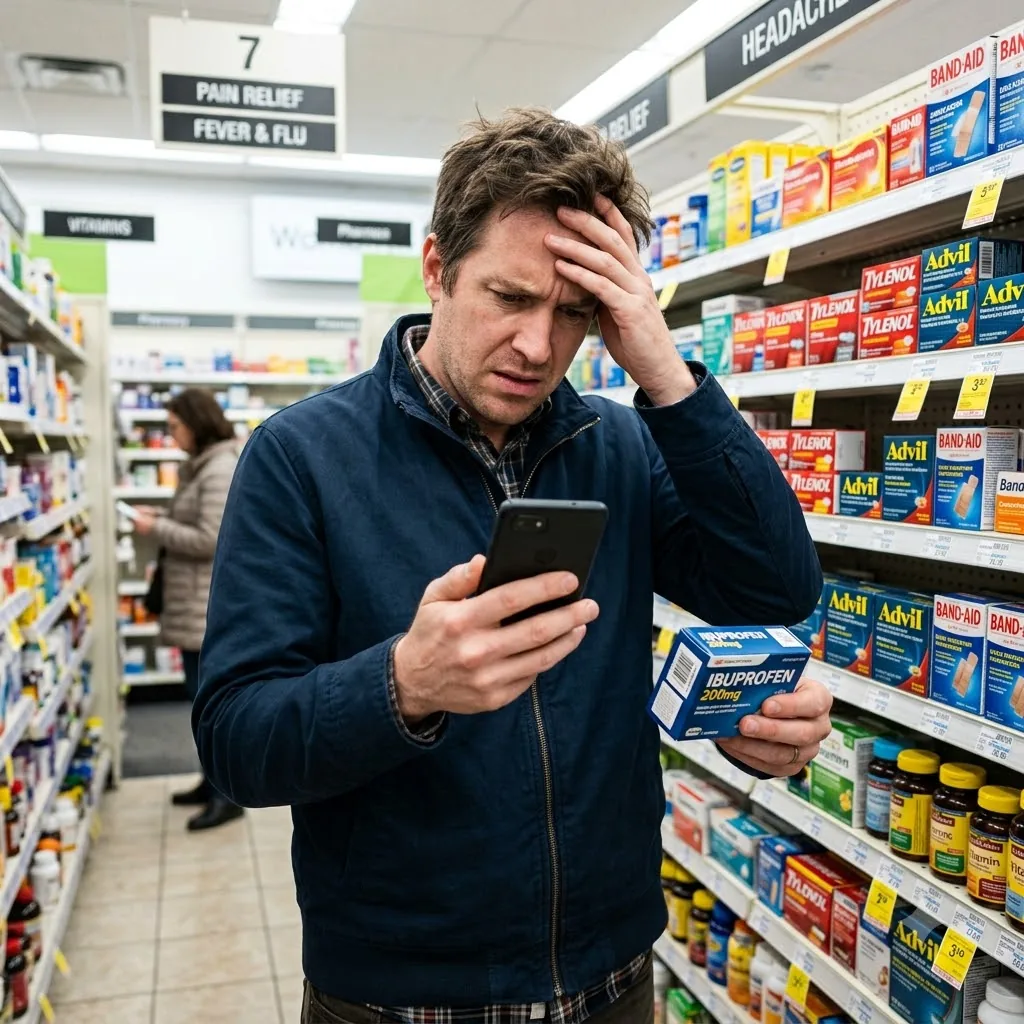
Marcus stepped out of the queue, moving toward a display of compression socks and ankle braces. He gripped the edge of the metal shelving. The panic was immediate and physical, a tightening in his chest that had nothing to do with the embarrassment of a declined card and everything to do with the hacking cough his daughter possessed when he left her with his sister at dawn. The antibiotics were not optional. He had driven the exhausting ten-hour shift specifically to clear the funds for this exact purchase.
He pulled his phone from his jacket pocket. The screen was smeared with fingerprints from navigating city traffic all day. He unlocked the device and tapped the black and green icon for the driver platform. He intended to check his earnings ledger, assuming there was a server delay in transferring his final fares to the instant-pay card.
The app initiated its standard loading sequence, displaying the corporate logo against a dark background.
Then the screen flashed brilliant white.
The map interface never appeared. The earnings dashboard never loaded. The button to go online remained absent. Instead, a solid crimson banner dropped from the top edge of the display, covering the entire screen in an unyielding block of color.
White, bold text sat in the center of the red square.
CRITICAL SAFETY HOLD.
Marcus stared at the words. He tapped the center of the screen. Nothing happened. He swiped down to refresh the page. The red banner remained fixed in place. There was no smaller text beneath it. There was no error code. There was no customer support phone number provided.
He closed the app completely, swiping it away from his active phone memory. He took a deep breath, telling himself it was a glitch. The platform pushed software updates on Tuesdays, and sometimes the localized servers threw phantom errors. He tapped the black and green icon a second time.
The logo appeared. The screen flashed white. The crimson banner slammed down again.
CRITICAL SAFETY HOLD.
This was not a server delay. The instant-pay card was tied directly to his active driver status. If the platform locked his account, the banking partner automatically froze the card to prevent fraudulent payouts. He was locked out. The realization moved through him like cold water. The immediate crisis of the forty-seven dollar medication was suddenly eclipsed by the total destruction of his income stream. He had no other job. He had no other way to pay rent at the end of the month.
He tapped the small profile icon in the top right corner, the only piece of the interface still visible above the red block. A secondary menu slid out, but every option-Earnings, Trip History, Vehicle Documents-was grayed out. Only the “Support Inbox” remained active.
He tapped the inbox. A single unread message sat at the top, time-stamped three minutes before he walked into the pharmacy.
The subject line read “Urgent: Account Review Pending.”
He opened the message. The text was entirely automated, a block of corporate phrasing generated by a system that did not know his name or the fact that his daughter was sick. It stated that his ability to drive and access funds was suspended indefinitely due to a severe violation of community guidelines reported during his last shift.
Marcus tried to reply. He tapped the text box at the bottom of the screen.
A small gray lock icon appeared. The system was set to a no-reply status. He could not defend himself because the algorithm refused to tell him what he had done. He stood in the pharmacy aisle, holding the useless plastic card, isolated from his income by a mechanism that offered no human contact.
The automated email contained a single hyperlink at the very bottom, buried under layers of legal disclaimers. It read “Review Case Details.”
Marcus tapped the blue link.
The phone screen transitioned to a web browser, loading a secured portal. A progress bar crawled across the top of the glass. Just as the case file began to populate with text, the screen flickered. The standard corporate font vanished, replaced by a raw command-line interface. A gray pop-up box hijacked the screen, accompanied by an electronic chime that made the pharmacist look over her shoulder.
The pop-up box contained an unauthorized live chat request from an internal support terminal.
The message inside the box began typing itself out, letter by letter.
The plastic terminal at the pharmacy counter emitted a flat, two-tone electronic rejection. Marcus left his hand resting on the keypad, staring at the digital readout flashing a red “DECLINED” message across the small screen. The pharmacist, a tired woman in a blue smock, pulled the small white paper bag containing his daughter’s antibiotics back across the counter by a fraction of an inch.
“Try inserting the chip instead of tapping,” she said, her voice stripped of anything but routine.
Marcus pushed the black fleet card into the slot at the bottom of the machine. He had been driving since four in the morning. Fourteen rides, two airport runs, and three grocery deliveries. The platform deposited his earnings instantly upon the completion of each trip, directly onto this specific Visa card. There was over two hundred dollars in that account. The medication cost forty-seven.
The terminal held on a “PROCESSING” screen for five seconds. The fluorescent lights overhead buzzed a low, steady hum. Then the machine emitted the exact same two-tone rejection. The red “DECLINED” text flashed again.
The line of customers behind Marcus shifted in unison, a collective rustle of winter coats and impatient sighs. The pharmacist moved the white bag entirely to her side of the counter, resting her hand flat on top of the stapled receipt.
“It is saying account restricted,” she stated, looking past him to the next customer. “You can step aside and call your bank if you need to.”
Marcus stepped out of the queue, moving toward a display of compression socks and ankle braces. He gripped the edge of the metal shelving. The panic was immediate and physical, a tightening in his chest that had nothing to do with the embarrassment of a declined card and everything to do with the hacking cough his daughter possessed when he left her with his sister at dawn. The antibiotics were not optional. He had driven the exhausting ten-hour shift specifically to clear the funds for this exact purchase.
He pulled his phone from his jacket pocket. The screen was smeared with fingerprints from navigating city traffic all day. He unlocked the device and tapped the black and green icon for the driver platform. He intended to check his earnings ledger, assuming there was a server delay in transferring his final fares to the instant-pay card.
The app initiated its standard loading sequence, displaying the corporate logo against a dark background.
Then the screen flashed brilliant white.
The map interface never appeared. The earnings dashboard never loaded. The button to go online remained absent. Instead, a solid crimson banner dropped from the top edge of the display, covering the entire screen in an unyielding block of color.
White, bold text sat in the center of the red square.
CRITICAL SAFETY HOLD.
Marcus stared at the words. He tapped the center of the screen. Nothing happened. He swiped down to refresh the page. The red banner remained fixed in place. There was no smaller text beneath it. There was no error code. There was no customer support phone number provided.
He closed the app completely, swiping it away from his active phone memory. He took a deep breath, telling himself it was a glitch. The platform pushed software updates on Tuesdays, and sometimes the localized servers threw phantom errors. He tapped the black and green icon a second time.
The logo appeared. The screen flashed white. The crimson banner slammed down again.
CRITICAL SAFETY HOLD.
This was not a server delay. The instant-pay card was tied directly to his active driver status. If the platform locked his account, the banking partner automatically froze the card to prevent fraudulent payouts. He was locked out. The realization moved through him like cold water. The immediate crisis of the forty-seven dollar medication was suddenly eclipsed by the total destruction of his income stream. He had no other job. He had no other way to pay rent at the end of the month.
He tapped the small profile icon in the top right corner, the only piece of the interface still visible above the red block. A secondary menu slid out, but every option-Earnings, Trip History, Vehicle Documents-was grayed out. Only the “Support Inbox” remained active.
He tapped the inbox. A single unread message sat at the top, time-stamped three minutes before he walked into the pharmacy.
The subject line read “Urgent: Account Review Pending.”
He opened the message. The text was entirely automated, a block of corporate phrasing generated by a system that did not know his name or the fact that his daughter was sick. It stated that his ability to drive and access funds was suspended indefinitely due to a severe violation of community guidelines reported during his last shift.
Marcus tried to reply. He tapped the text box at the bottom of the screen.
A small gray lock icon appeared. The system was set to a no-reply status. He could not defend himself because the algorithm refused to tell him what he had done. He stood in the pharmacy aisle, holding the useless plastic card, isolated from his income by a mechanism that offered no human contact.
The automated email contained a single hyperlink at the very bottom, buried under layers of legal disclaimers. It read “Review Case Details.”
Marcus tapped the blue link.
The phone screen transitioned to a web browser, loading a secured portal. A progress bar crawled across the top of the glass. Just as the case file began to populate with text, the screen flickered. The standard corporate font vanished, replaced by a raw command-line interface. A gray pop-up box hijacked the screen, accompanied by an electronic chime that made the pharmacist look over her shoulder.
The pop-up box contained an unauthorized live chat request from an internal support terminal.
The message inside the box began typing itself out, letter by letter.