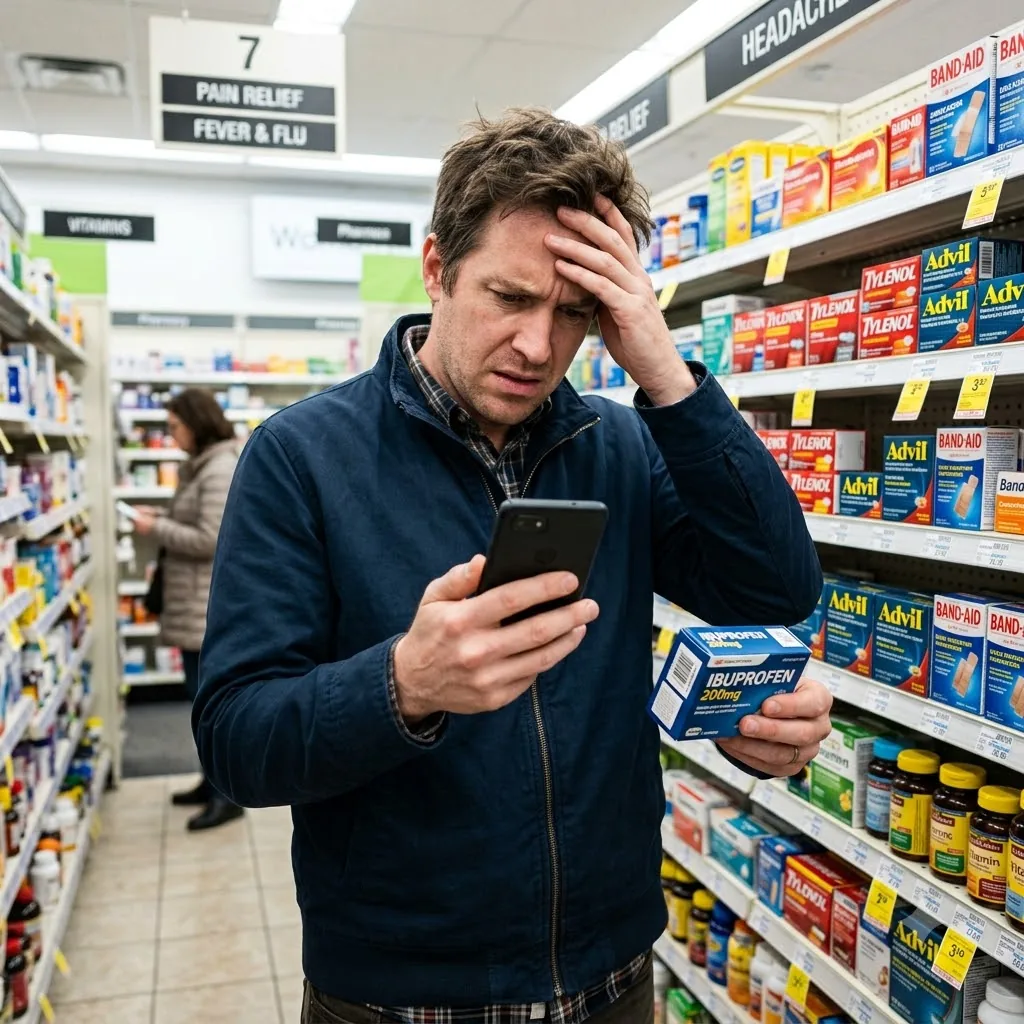
Story code: ST-000736
Part 2: The Protocol
The message inside the box began typing itself out, letter by letter, in a crisp, green monospace font.
> DO NOT CLOSE THIS WINDOW.
Marcus froze, his thumb hovering a fraction of an inch above the glass. The fluorescent lights of the pharmacy buzzed overhead, mixing with the low hum of the refrigeration units behind him.
> If the application detects a connection drop, your termination becomes permanent.
A small digital keyboard slid up from the bottom of the screen. The interface was stripped of the platform’s polished branding. It was a raw developer bridge, exposing the skeletal code of the application.
> Who is this? Marcus typed.
> Tier 3 Escalation. Agent ID masked. I intercepted your case in the automated purge queue. You are exactly fourteen minutes away from a permanent ban and an automated law enforcement referral.
Marcus stopped breathing. Law enforcement. His eyes darted toward the pharmacist, who was aggressively straightening a row of pill bottles, shooting him irritated glances from across the counter.
> Why? he typed.
> Trip 12. Passenger account #88392. They filed a Category 1 Zero Tolerance report. They claimed you brandished a firearm and demanded an off-app cash payment during the ride.
Marcus stared at the green text. Trip 12. A college student heading to the airport terminals. The passenger had been visibly annoyed by a localized traffic detour and complained loudly in the backseat about the surge pricing. Marcus hadn’t even spoken to him, aside from confirming the drop-off airline.
> I don’t own a gun, Marcus typed, his cold fingers clumsy on the digital keys. > He just wanted a refund.
> The algorithm does not care about truth. It looks for keywords. ‘Firearm’ triggers an automatic Zero Tolerance hold. The passenger receives an instant $150 credit to their account. Your driver account is frozen, your funds are seized, and the system prepares a threat report for the local precinct.
“Sir,” the pharmacist said, her voice sharp and carrying over the aisles. “If you aren’t paying for the prescription right now, you need to clear the counter. I have a line.”
Marcus looked up. Two customers in winter coats were glaring at him. He grabbed his car keys, abandoned the white paper bag containing the antibiotics on the counter, and walked backward toward the automatic sliding doors, his eyes locked on the phone screen.
He pushed through the doors into the freezing winter air. The parking lot was desolate, illuminated by flickering amber streetlights.
> How do I prove it? Marcus typed, leaning his back against the freezing metal of a shopping cart corral. > I have a dashcam. It records the whole cabin.
> The AI locked your upload portal. You have no voice access to support. The system is designed to isolate you and eliminate corporate liability. I am violating my employment contract by opening this terminal. If my supervisor’s automated monitoring flags this packet traffic, I will be terminated immediately without severance.
Marcus watched his breath form a white cloud in the dark.
> Then why risk your job for me?
A pause. The green cursor blinked on the gray background for five solid seconds.
> Because this specific passenger has done this four times this month. The AI keeps banning the drivers and issuing the credits. It is cheaper for the company to lose drivers than to hire human investigators. I am tired of watching it happen.
Marcus felt a momentary surge of relief, immediately crushed by the next line of text generating on the screen.
> But I cannot override a Category 1 hold without a media file. If I force an override without evidence, the AI audits my terminal. I lose my job, and your ban is reinstated tomorrow anyway. I need the dashcam footage from Trip 12.
Marcus turned and jogged to his car. He yanked the door open, the dome light illuminating the cheap, plastic dashcam suction-cupped to the center of the windshield.
> The footage is on a micro-SD card inside the camera.
> You need to upload the raw MP4 file directly to my secure IP address. I am generating a tunnel link now. You have nine minutes before the system auto-faxes your GPS location and vehicle plates to the municipal police database.
Marcus climbed into the driver’s seat and pulled the small black square from the side slot of the camera. He looked down at his phone. The device was a smooth slab of glass and aluminum. It did not have a micro-SD slot. He had no laptop in the car. No adapter. No physical way to bridge the card to the network.
> My phone doesn’t take SD cards, Marcus typed. > I don’t have a computer.
The cursor blinked.
> Then the AI will execute the purge in eight minutes, the agent replied.
Marcus gripped the steering wheel. If the police came, they would detain him, search his car, and hold him for hours. His daughter’s medication was sitting fifty feet away, unpaid for, while she coughed in his sister’s living room across town.
> I can play the video on the dashcam’s built-in screen, Marcus typed frantically. > I can use my phone’s camera to record the screen and send you that video.
> Negative. If you minimize this chat window to open your phone’s camera app, the support session will drop. The gig app is programmed to detect backgrounding actions during a security hold. It will hard-close instantly. The lock will become permanent, and my terminal connection will be severed.
Marcus stared at the words. He was trapped in a digital box. He could not leave the chat to record the evidence, and without the evidence, the chat was useless.
> Time remaining: 6 minutes, the green text updated. > I cannot stop the police referral.
Marcus looked wildly around the cabin of his car. His eyes landed on the tangled charging wires in his center console. Nothing that could read memory.
> I need an option, Marcus typed. > Tell me how to bypass the app’s background check.
> There is only one way to trick the root protocol. It requires accessing the developer options on your device and forcing a memory partition. If you make a mistake, the app’s security failsafe will initiate a remote wipe of your phone to protect corporate data.
The green cursor blinked, waiting for his choice.