Story code: ST-000806
Part 1: Code 4B
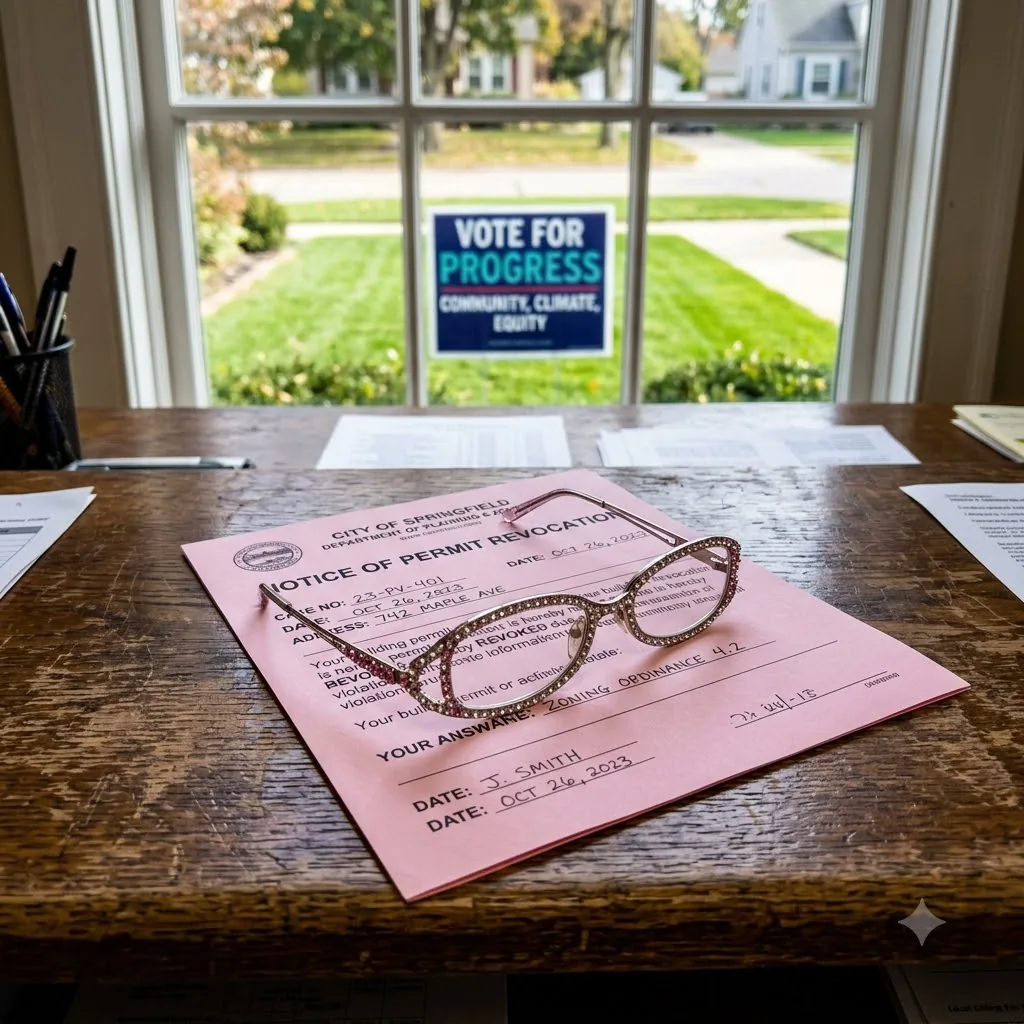
Leo stared at the pink carbon-copy paper resting on the scratched laminate counter of Window 4. The ink was faint, stamped with the mechanical indifference of the municipal zoning office. In the center of the page, a jagged black box contained a single typed phrase: Notice of Permit Revocation.
Behind the reinforced glass, Janice, the assistant city clerk, kept her eyes fixed on her keyboard. Her fingers remained perfectly still. She just stared at the faded gray plastic keys as if trying to memorize the letters.
“I am so sorry, Leo,” Janice murmured, her voice barely carrying through the circular metal speaker grate separating them. “I really am.”
Leo picked up the flimsy pink sheet. The paper felt greasy between his fingers, smelling faintly of toner and stale coffee. He traced his thumb over the specific citation printed three inches below the revocation stamp. Code 4B Parking Strain. Beside it, someone had scribbled an additional note in tight, aggressive cursive, citing pedestrian density limits.
He looked from the paper to the vast, empty lobby behind him. The fluorescent lights hummed, casting a sickly yellow pallor over five rows of connected blue plastic chairs. There were no pedestrians. There was no parking strain.
“Janice, tell me you are seeing the same words I am seeing,” Leo said.
Janice shrank back into her rolling chair, pulling her beige cardigan tighter around her shoulders. She still refused to meet his gaze.
“It came down from the director’s office twenty minutes ago,” she whispered to her spacebar. “I just print the forms. They said the projected foot traffic exceeds the municipal safety corridor ratios.”
Leo flattened the pink slip back against the counter, leaning over to read the dense, paragraph-long boilerplate text filling the bottom half of the page. The city claimed that his approved gathering would create an unsustainable burden on the neighborhood’s infrastructure. The document listed grave concerns about emergency vehicle access, sidewalk erosion, and noise ordinance compliance. The language was suffocating, layered with sub-clauses and municipal bylaws referencing section seven, paragraph three of the civic code.
None of it made sense for the location he had booked. He had reserved the central pavilion at Centennial Park, a sprawling concrete plaza explicitly designed to hold massive crowds. The plaza had hosted the annual regional chili cook-off just three weeks prior. That event had brought in two dozen heavy food trucks, three live country bands, and thousands of rowdy attendees spilling onto the adjacent streets. The city council had publicly praised the chili festival on their official social media accounts.
Now, the zoning board had suddenly discovered an insurmountable pedestrian density limit.
Leo leaned closer to the glass.
“The pavilion is a three-acre slab of poured concrete,” Leo stated, keeping his tone flat and carefully level. “It borders a six-lane avenue with an adjoining parking deck. There is absolutely no sidewalk to erode.”
“I know,” Janice breathed. She shifted in her seat, glancing nervously toward the heavy frosted glass door leading to the inner administrative offices. “The director invoked the emergency injunction clause for unexpected volume. It is totally out of my hands.”
The sheer, agonizing politeness of the printed form made Leo’s chest tighten. The paperwork was technically, perfectly legal. The bureaucratic language was entirely neutral and devoid of emotion. It was a masterclass in weaponized civility. By citing Code 4B, the zoning board had successfully masked their true, venomous objection behind an impenetrable wall of municipal red tape. They were choking his permit to death with arbitrary parking ratios and imaginary safety hazards.
He realized then that arguing with Janice was completely pointless. She was a hostage to her own paycheck, deployed as a human shield by the people hiding in the carpeted, climate-controlled offices down the hall. The men who had actually signed the pink slip did not have the courage to hand it to him themselves. They relied on the polite, apologetic veneer of their administrative clerks and their impossibly dense zoning codes to do their dirty work. They thought the pink slip would be the end of it. They expected him to walk away defeated by bureaucracy.
Leo folded the pink paper precisely in half. He folded it again, pressing the crease down hard against the laminate counter until his thumbnail turned white. He slid the sharp square of paper into the breast pocket of his jacket, letting his hand rest there for a single second.
Janice finally looked up, her eyes wide with a quiet, pleading panic.
“Leo, please do not go back there,” she said.
Leo turned away from Window 4. He bypassed the designated exit lane and unhooked the velvet rope separating the public waiting area from the administrative hallway. He let the brass clip hit the floor. His heavy work boots struck the linoleum with rhythmic, measured thuds, echoing loudly in the quiet municipal building.
The gold-plated plaque on the heavy oak door at the end of the corridor read Director of Zoning and Planning. Behind that door sat the men who had decided that a youth pride festival was suddenly a critical threat to pedestrian density.
Leo reached for the polished brass handle just as a security guard stepped out from the adjacent stairwell, raising a heavy, calloused hand to block the doorframe.
Leo stared at the pink carbon-copy paper resting on the scratched laminate counter of Window 4. The ink was faint, stamped with the mechanical indifference of the municipal zoning office. In the center of the page, a jagged black box contained a single typed phrase: Notice of Permit Revocation.
Behind the reinforced glass, Janice, the assistant city clerk, kept her eyes fixed on her keyboard. Her fingers remained perfectly still. She just stared at the faded gray plastic keys as if trying to memorize the letters.
“I am so sorry, Leo,” Janice murmured, her voice barely carrying through the circular metal speaker grate separating them. “I really am.”
Leo picked up the flimsy pink sheet. The paper felt greasy between his fingers, smelling faintly of toner and stale coffee. He traced his thumb over the specific citation printed three inches below the revocation stamp. Code 4B Parking Strain. Beside it, someone had scribbled an additional note in tight, aggressive cursive, citing pedestrian density limits.
He looked from the paper to the vast, empty lobby behind him. The fluorescent lights hummed, casting a sickly yellow pallor over five rows of connected blue plastic chairs. There were no pedestrians. There was no parking strain.
“Janice, tell me you are seeing the same words I am seeing,” Leo said.
Janice shrank back into her rolling chair, pulling her beige cardigan tighter around her shoulders. She still refused to meet his gaze.
“It came down from the director’s office twenty minutes ago,” she whispered to her spacebar. “I just print the forms. They said the projected foot traffic exceeds the municipal safety corridor ratios.”
Leo flattened the pink slip back against the counter, leaning over to read the dense, paragraph-long boilerplate text filling the bottom half of the page. The city claimed that his approved gathering would create an unsustainable burden on the neighborhood’s infrastructure. The document listed grave concerns about emergency vehicle access, sidewalk erosion, and noise ordinance compliance. The language was suffocating, layered with sub-clauses and municipal bylaws referencing section seven, paragraph three of the civic code.
None of it made sense for the location he had booked. He had reserved the central pavilion at Centennial Park, a sprawling concrete plaza explicitly designed to hold massive crowds. The plaza had hosted the annual regional chili cook-off just three weeks prior. That event had brought in two dozen heavy food trucks, three live country bands, and thousands of rowdy attendees spilling onto the adjacent streets. The city council had publicly praised the chili festival on their official social media accounts.
Now, the zoning board had suddenly discovered an insurmountable pedestrian density limit.
Leo leaned closer to the glass.
“The pavilion is a three-acre slab of poured concrete,” Leo stated, keeping his tone flat and carefully level. “It borders a six-lane avenue with an adjoining parking deck. There is absolutely no sidewalk to erode.”
“I know,” Janice breathed. She shifted in her seat, glancing nervously toward the heavy frosted glass door leading to the inner administrative offices. “The director invoked the emergency injunction clause for unexpected volume. It is totally out of my hands.”
The sheer, agonizing politeness of the printed form made Leo’s chest tighten. The paperwork was technically, perfectly legal. The bureaucratic language was entirely neutral and devoid of emotion. It was a masterclass in weaponized civility. By citing Code 4B, the zoning board had successfully masked their true, venomous objection behind an impenetrable wall of municipal red tape. They were choking his permit to death with arbitrary parking ratios and imaginary safety hazards.
He realized then that arguing with Janice was completely pointless. She was a hostage to her own paycheck, deployed as a human shield by the people hiding in the carpeted, climate-controlled offices down the hall. The men who had actually signed the pink slip did not have the courage to hand it to him themselves. They relied on the polite, apologetic veneer of their administrative clerks and their impossibly dense zoning codes to do their dirty work. They thought the pink slip would be the end of it. They expected him to walk away defeated by bureaucracy.
Leo folded the pink paper precisely in half. He folded it again, pressing the crease down hard against the laminate counter until his thumbnail turned white. He slid the sharp square of paper into the breast pocket of his jacket, letting his hand rest there for a single second.
Janice finally looked up, her eyes wide with a quiet, pleading panic.
“Leo, please do not go back there,” she said.
Leo turned away from Window 4. He bypassed the designated exit lane and unhooked the velvet rope separating the public waiting area from the administrative hallway. He let the brass clip hit the floor. His heavy work boots struck the linoleum with rhythmic, measured thuds, echoing loudly in the quiet municipal building.
The gold-plated plaque on the heavy oak door at the end of the corridor read Director of Zoning and Planning. Behind that door sat the men who had decided that a youth pride festival was suddenly a critical threat to pedestrian density.
Leo reached for the polished brass handle just as a security guard stepped out from the adjacent stairwell, raising a heavy, calloused hand to block the doorframe.