Story code: ST-000838
Part 1: The Heritage Board
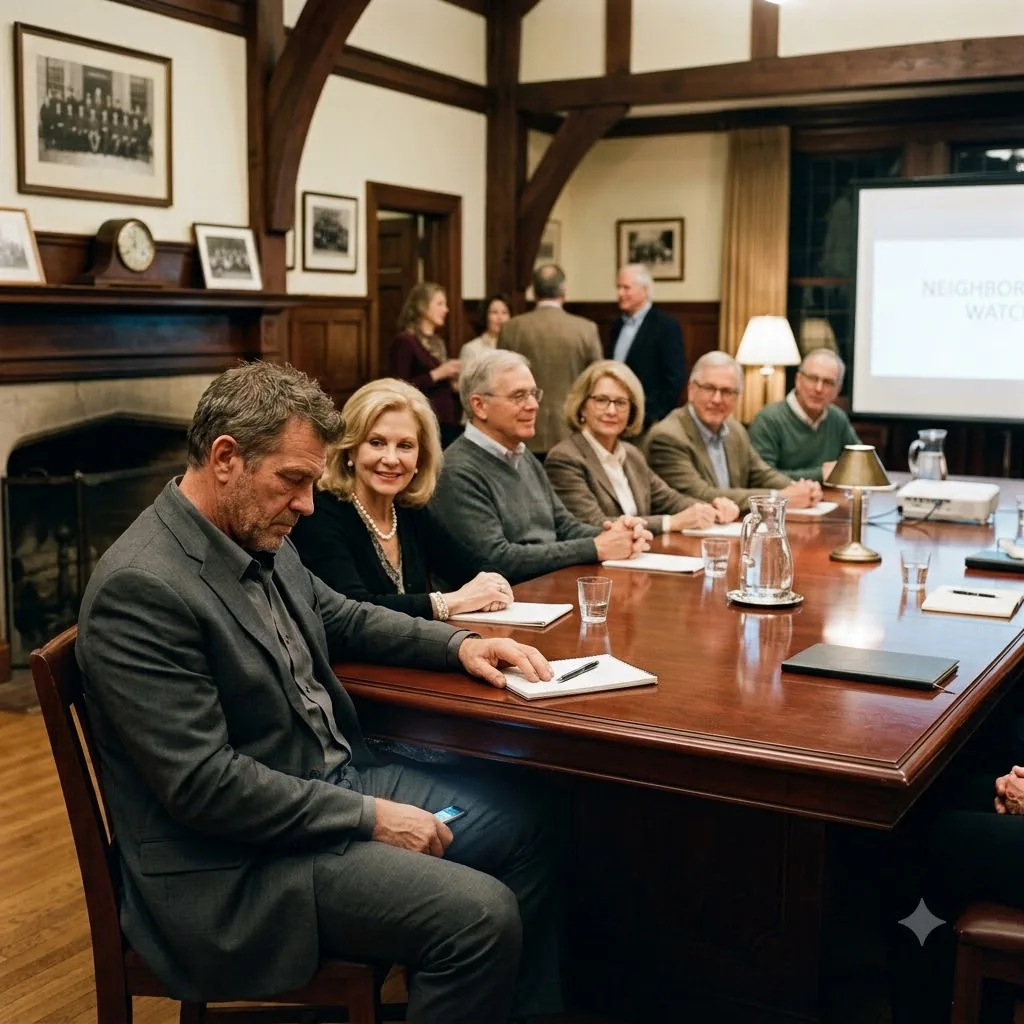
The fluorescent lights of the Oakridge Heritage Society hummed with a sterile, suffocating quiet that made Marcus want to rip off his tie. He sat rigidly at the long mahogany table, tugging subtly at the collar of a navy suit that felt more like a straightjacket than professional attire. At the head of the table, a homeowner in a pastel cardigan droned on, weaponizing the word compassion to explain exactly why a youth shelter did not belong on their historic street. Marcus kept his calloused hands folded flat on the polished wood. He had survived three decades of open turf warfare on the south side, dodging bullets and brokering a fragile, block-by-block peace treaty that finally brought the daily casualty count to zero. That treaty had taken his blood, his sweat, and two years of his life. Now, he was fighting the real war in a climate-controlled conference room, trying to secure a safe zone for the kids he had pulled off the corners.
The woman paused to sip delicately from her ceramic mug. She smiled at the other board members, leaning forward to deliver a breathless monologue about neighborhood safety, property values, and the moral duty to protect their architectural heritage from the wrong element. Marcus focused on breathing in slow, measured counts. He had learned patience the hard way. He knew these meetings were endurance tests designed to make people like him lose their temper. If he raised his voice or slammed a fist on the table, they would label him a thug and deny the zoning permit on the spot. He nodded along, portraying the calm, reformed community leader they demanded him to be.
A sharp vibration buzzed against his right thigh.
Marcus ignored it, fixing his gaze on the speaker. The phone buzzed a second time, longer and far more insistent. It was the specific, rattling cadence of an emergency alert from the street team group chat. He shifted his weight, sliding his left hand under the table to extract the device from his pocket. He kept the screen tilted downward, shielding the harsh glare from the elderly preservationists flanking him.
An Instagram Live notification dominated the lock screen. It was Trey.
Marcus tapped the alert, lowering the media volume to absolute zero before the feed loaded. The video buffered for a fraction of a second before displaying a grainy, handheld shot of the night air. Trey was nineteen, a newly minted recruit to the outreach program, supposed to be handing out flyers three miles away. Instead, the jagged brick facade of the abandoned textile mill loomed behind Trey in the video. It was the exact lot Marcus was currently negotiating to buy for the shelter.
Trey was pacing back and forth in front of the chain-link fence, holding the camera at a low angle. The boy was sweating, his eyes wide and manic in the harsh yellow streetlamp glow. Marcus watched Trey’s mouth move. Even without the audio, the aggressive, rhythmic cadence of the boy’s jaw made the dialogue painfully clear. Trey was throwing up hand signs, aggressively calling out the Eastside crew, dismantling the hard-won peace treaty one digital breath at a time.
The woman at the head of the conference table tapped her silver pen against her notepad. She adjusted her reading glasses, emphasizing the absolute need for an environment free of violence, a place where their elderly residents could walk their dogs without fear of the urban decay creeping over the neighborhood borders.
On the silent screen resting on Marcus’s knee, Trey reached into the waistband of his sagging denim jeans. The boy pulled out a heavy, matte-black handgun, racking the slide for the camera. Trey pointed the barrel directly at the lens, laughing with a reckless, unearned bravado. He swept the weapon toward the historic mill, framing the gun right against the backdrop of the proposed shelter site. He was broadcasting an open challenge, standing on the most heavily contested piece of real estate in the city.
Marcus felt a cold spike of adrenaline punch through his chest. The gang task force monitored these feeds. The rival crews monitored these feeds. Worse, the neighborhood association’s private security liaison monitored the local social media tags for anything related to the mill. If any member of this board saw that footage, they would not just vote down the shelter. They would use Trey’s ignorant, posturing stunt as absolute proof that Marcus was running a gang hub under the guise of community outreach. They would tear down everything Marcus had built, and Trey would not survive the night once the Eastside boys saw the broadcast.
The homeowner clasped her hands together, smiling sweetly at Marcus. She stated that they all just wanted to ensure the neighborhood remained a peaceful sanctuary for everyone.
Marcus abruptly shoved his chair backward, screeching it against the heritage hardwood.
The fluorescent lights of the Oakridge Heritage Society hummed with a sterile, suffocating quiet that made Marcus want to rip off his tie. He sat rigidly at the long mahogany table, tugging subtly at the collar of a navy suit that felt more like a straightjacket than professional attire. At the head of the table, a homeowner in a pastel cardigan droned on, weaponizing the word compassion to explain exactly why a youth shelter did not belong on their historic street. Marcus kept his calloused hands folded flat on the polished wood. He had survived three decades of open turf warfare on the south side, dodging bullets and brokering a fragile, block-by-block peace treaty that finally brought the daily casualty count to zero. That treaty had taken his blood, his sweat, and two years of his life. Now, he was fighting the real war in a climate-controlled conference room, trying to secure a safe zone for the kids he had pulled off the corners.
The woman paused to sip delicately from her ceramic mug. She smiled at the other board members, leaning forward to deliver a breathless monologue about neighborhood safety, property values, and the moral duty to protect their architectural heritage from the wrong element. Marcus focused on breathing in slow, measured counts. He had learned patience the hard way. He knew these meetings were endurance tests designed to make people like him lose their temper. If he raised his voice or slammed a fist on the table, they would label him a thug and deny the zoning permit on the spot. He nodded along, portraying the calm, reformed community leader they demanded him to be.
A sharp vibration buzzed against his right thigh.
Marcus ignored it, fixing his gaze on the speaker. The phone buzzed a second time, longer and far more insistent. It was the specific, rattling cadence of an emergency alert from the street team group chat. He shifted his weight, sliding his left hand under the table to extract the device from his pocket. He kept the screen tilted downward, shielding the harsh glare from the elderly preservationists flanking him.
An Instagram Live notification dominated the lock screen. It was Trey.
Marcus tapped the alert, lowering the media volume to absolute zero before the feed loaded. The video buffered for a fraction of a second before displaying a grainy, handheld shot of the night air. Trey was nineteen, a newly minted recruit to the outreach program, supposed to be handing out flyers three miles away. Instead, the jagged brick facade of the abandoned textile mill loomed behind Trey in the video. It was the exact lot Marcus was currently negotiating to buy for the shelter.
Trey was pacing back and forth in front of the chain-link fence, holding the camera at a low angle. The boy was sweating, his eyes wide and manic in the harsh yellow streetlamp glow. Marcus watched Trey’s mouth move. Even without the audio, the aggressive, rhythmic cadence of the boy’s jaw made the dialogue painfully clear. Trey was throwing up hand signs, aggressively calling out the Eastside crew, dismantling the hard-won peace treaty one digital breath at a time.
The woman at the head of the conference table tapped her silver pen against her notepad. She adjusted her reading glasses, emphasizing the absolute need for an environment free of violence, a place where their elderly residents could walk their dogs without fear of the urban decay creeping over the neighborhood borders.
On the silent screen resting on Marcus’s knee, Trey reached into the waistband of his sagging denim jeans. The boy pulled out a heavy, matte-black handgun, racking the slide for the camera. Trey pointed the barrel directly at the lens, laughing with a reckless, unearned bravado. He swept the weapon toward the historic mill, framing the gun right against the backdrop of the proposed shelter site. He was broadcasting an open challenge, standing on the most heavily contested piece of real estate in the city.
Marcus felt a cold spike of adrenaline punch through his chest. The gang task force monitored these feeds. The rival crews monitored these feeds. Worse, the neighborhood association’s private security liaison monitored the local social media tags for anything related to the mill. If any member of this board saw that footage, they would not just vote down the shelter. They would use Trey’s ignorant, posturing stunt as absolute proof that Marcus was running a gang hub under the guise of community outreach. They would tear down everything Marcus had built, and Trey would not survive the night once the Eastside boys saw the broadcast.
The homeowner clasped her hands together, smiling sweetly at Marcus. She stated that they all just wanted to ensure the neighborhood remained a peaceful sanctuary for everyone.
Marcus abruptly shoved his chair backward, screeching it against the heritage hardwood.