Story code: ST-000843
Part 1: Fourteen Seconds
Fourteen seconds. That was the maximum allowable time the algorithm gave Sarah to decide the digital fate of a human being. The timer in the top right corner of her primary monitor ticked down in relentless, silent red digits, a digital heartbeat dictating the pace of her shift. Ticket #884920. A blurry thumbnail loaded, followed immediately by the jagged waveform of frantic audio. She adjusted her noise-canceling headset, her posture stiff in the company-issued ergonomic mesh chair, her eyes scanning the auto-generated transcript while the video buffered. The moderation queue never stopped. It was a constant, scrolling waterfall of appeals, threats, and pleading faces pouring into the centralized hub of a platform that hosted two billion daily users. Fourteen seconds to categorize, filter, and strike.
She had trained herself to look at the pixels, not the people. Empathy was a metric killer. If a moderator lingered, their average handle time would spike, triggering an automatic review. Sarah needed this job. She needed the stability for her family. So she detached, becoming a human rubber stamp confirming the machine’s cold logic.
The next ticket blinked onto the screen, accompanied by an urgent, flashing priority tag. Policy Violation: Harmful and Dangerous Content. The timer reset to fourteen.
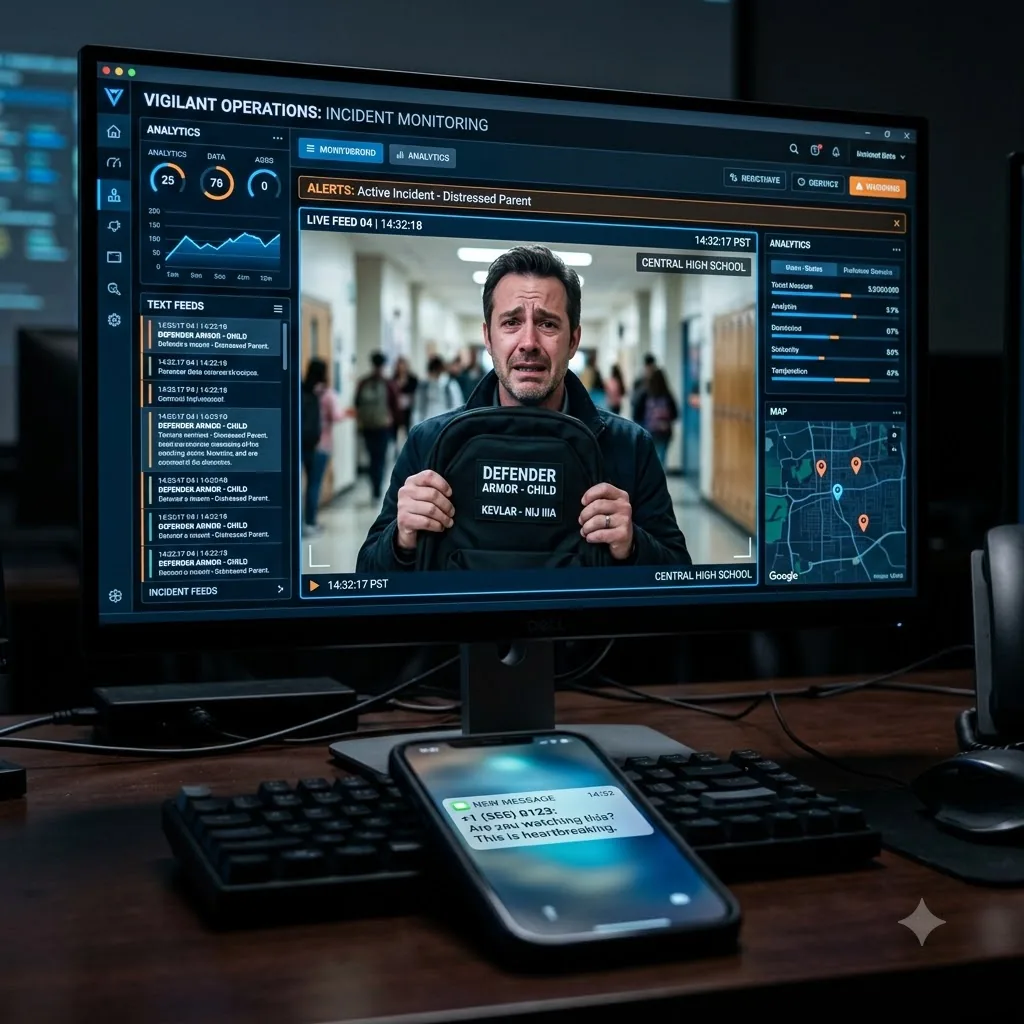
The video stuttered to life in the center pane. A man in his early forties with deep, dark circles under his eyes stood in a half-emptied living room. Cardboard moving boxes were stacked haphazardly behind him. He held up a thick canvas vest, a child-sized garment heavily modified with layered ceramic plates and high-density foam. His voice cracked as he spoke directly to the camera, the audio peaking with raw desperation. He was demonstrating the stitching, yanking violently on the nylon straps to show their reinforced strength. The transcript rolled below his face in rapid blocks of text.
He was begging the invisible moderators to reverse the permanent strike on his channel, explaining frantically that his school-safety and urban-survival content was the only thing standing between his family and foreclosure. He grabbed a plastic retail mannequin roughly the size of a fourth-grader and strapped the heavy vest onto it. Grabbing a heavy steel pipe from the floor, he began striking the mannequin with terrifying force, shouting over the loud clangs to demonstrate the blunt-force dispersion and the integrity of the homemade trauma pads.
Sarah felt the familiar, heavy numbness settle behind her ribs. It was the necessary armor she wore to survive these eight-hour shifts. She had seen thousands of bankrupt fathers, crying mothers, and angry teenagers shouting into the void. Detachment was a survival skill, tracked and enforced by the system judging her efficiency.
The man leaned closer to the lens, his eyes bloodshot, holding up a crinkled stack of past-due notices. He pointed to the specific modifications on the vest meant to protect small, vital organs, his voice dropping to a hoarse whisper as he cited statistics and police response times. He was an engineer, he claimed, a man who had reverse-engineered tactical gear to make it affordable for terrified parents.
The timer on Sarah’s screen hit six seconds. Five. Her hand moved to the mouse.
The platform’s policy was absolute regarding the display of improvised armor outside of officially sanctioned educational channels. His content had triggered the automated violence filters, and her job was simply to confirm the machine’s initial judgment. He was flagged as a dangerous creator. She hovered her cursor over the red button labeled Auto-Deny and Lock.
Four seconds.
The man in the video dropped the vest and pressed his calloused hands against his face, his voice breaking into a ragged, uncontrollable sob as he pleaded for just one more week of monetization. He just needed enough to make the mortgage.
Three seconds.
Sarah took a shallow breath and pressed her index finger against the left mouse button, applying the exact amount of pressure needed to finalize the deletion and move to the next anonymous face.
A harsh vibration rattled the thin particleboard of her desk, cutting through the sterile hum of the moderation floor. Sarah paused, her finger resting a millimeter above the mouse clicker. Her personal phone, strictly forbidden on the active floor but hidden in her lap drawer, buzzed a second time in rapid succession.
She glanced down, breaking her visual lock on the timer. Two seconds. The locked screen of her phone lit up the dark space inside the drawer, casting a pale blue glow across her knees.
It was a message from Chloe. Her twelve-year-old daughter was supposed to be in third-period biology at the middle school three miles across town. The preview notification displayed only a partial text, a jagged string of characters typed in absolute haste, devoid of punctuation.
Mom they are in the hall please dont call they are checking doors
Sarah stopped breathing. The air in her lungs turned to ice. Her eyes darted from the illuminated text on the small screen back to the frozen frame of the desperate man on her monitor. The man holding the child-sized ballistic vest. The man who had spent hours detailing exactly how to survive the unthinkable. The moderation timer hit zero, flashing violently in red, waiting for her command.
Fourteen seconds. That was the maximum allowable time the algorithm gave Sarah to decide the digital fate of a human being. The timer in the top right corner of her primary monitor ticked down in relentless, silent red digits, a digital heartbeat dictating the pace of her shift. Ticket #884920. A blurry thumbnail loaded, followed immediately by the jagged waveform of frantic audio. She adjusted her noise-canceling headset, her posture stiff in the company-issued ergonomic mesh chair, her eyes scanning the auto-generated transcript while the video buffered. The moderation queue never stopped. It was a constant, scrolling waterfall of appeals, threats, and pleading faces pouring into the centralized hub of a platform that hosted two billion daily users. Fourteen seconds to categorize, filter, and strike.
She had trained herself to look at the pixels, not the people. Empathy was a metric killer. If a moderator lingered, their average handle time would spike, triggering an automatic review. Sarah needed this job. She needed the stability for her family. So she detached, becoming a human rubber stamp confirming the machine’s cold logic.
The next ticket blinked onto the screen, accompanied by an urgent, flashing priority tag. Policy Violation: Harmful and Dangerous Content. The timer reset to fourteen.
The video stuttered to life in the center pane. A man in his early forties with deep, dark circles under his eyes stood in a half-emptied living room. Cardboard moving boxes were stacked haphazardly behind him. He held up a thick canvas vest, a child-sized garment heavily modified with layered ceramic plates and high-density foam. His voice cracked as he spoke directly to the camera, the audio peaking with raw desperation. He was demonstrating the stitching, yanking violently on the nylon straps to show their reinforced strength. The transcript rolled below his face in rapid blocks of text.
He was begging the invisible moderators to reverse the permanent strike on his channel, explaining frantically that his school-safety and urban-survival content was the only thing standing between his family and foreclosure. He grabbed a plastic retail mannequin roughly the size of a fourth-grader and strapped the heavy vest onto it. Grabbing a heavy steel pipe from the floor, he began striking the mannequin with terrifying force, shouting over the loud clangs to demonstrate the blunt-force dispersion and the integrity of the homemade trauma pads.
Sarah felt the familiar, heavy numbness settle behind her ribs. It was the necessary armor she wore to survive these eight-hour shifts. She had seen thousands of bankrupt fathers, crying mothers, and angry teenagers shouting into the void. Detachment was a survival skill, tracked and enforced by the system judging her efficiency.
The man leaned closer to the lens, his eyes bloodshot, holding up a crinkled stack of past-due notices. He pointed to the specific modifications on the vest meant to protect small, vital organs, his voice dropping to a hoarse whisper as he cited statistics and police response times. He was an engineer, he claimed, a man who had reverse-engineered tactical gear to make it affordable for terrified parents.
The timer on Sarah’s screen hit six seconds. Five. Her hand moved to the mouse.
The platform’s policy was absolute regarding the display of improvised armor outside of officially sanctioned educational channels. His content had triggered the automated violence filters, and her job was simply to confirm the machine’s initial judgment. He was flagged as a dangerous creator. She hovered her cursor over the red button labeled Auto-Deny and Lock.
Four seconds.
The man in the video dropped the vest and pressed his calloused hands against his face, his voice breaking into a ragged, uncontrollable sob as he pleaded for just one more week of monetization. He just needed enough to make the mortgage.
Three seconds.
Sarah took a shallow breath and pressed her index finger against the left mouse button, applying the exact amount of pressure needed to finalize the deletion and move to the next anonymous face.
A harsh vibration rattled the thin particleboard of her desk, cutting through the sterile hum of the moderation floor. Sarah paused, her finger resting a millimeter above the mouse clicker. Her personal phone, strictly forbidden on the active floor but hidden in her lap drawer, buzzed a second time in rapid succession.
She glanced down, breaking her visual lock on the timer. Two seconds. The locked screen of her phone lit up the dark space inside the drawer, casting a pale blue glow across her knees.
It was a message from Chloe. Her twelve-year-old daughter was supposed to be in third-period biology at the middle school three miles across town. The preview notification displayed only a partial text, a jagged string of characters typed in absolute haste, devoid of punctuation.
Mom they are in the hall please dont call they are checking doors
Sarah stopped breathing. The air in her lungs turned to ice. Her eyes darted from the illuminated text on the small screen back to the frozen frame of the desperate man on her monitor. The man holding the child-sized ballistic vest. The man who had spent hours detailing exactly how to survive the unthinkable. The moderation timer hit zero, flashing violently in red, waiting for her command.