Story code: ST-000811
Part 1: The Two O’clock Deadline
The darkness in room 204 was absolute, thick enough to choke on. Thirty seventh-graders sat crammed beneath the heavy science lab tables, their knees pulled tight to their chests, holding their breath in a collective, suffocating silence. Eli crouched near the teacher’s desk, his back pressed hard against the cold cinderblock wall. The active shooter drill protocols had been drilled into them for years-lights out, blinds drawn, doors locked, absolute silence. The heavy, rhythmic thud of boots vibrating through the floorboards an hour ago had proven this was no drill. The air tasted stale, smelling of floor wax, adolescent sweat, and raw fear. Every shift of a sneaker on the linoleum sounded like a gunshot in the pitch black. Then, the true pressure began. It was not the sound of a weapon in the hallway, but a violent, rhythmic buzzing against Eli’s right thigh.
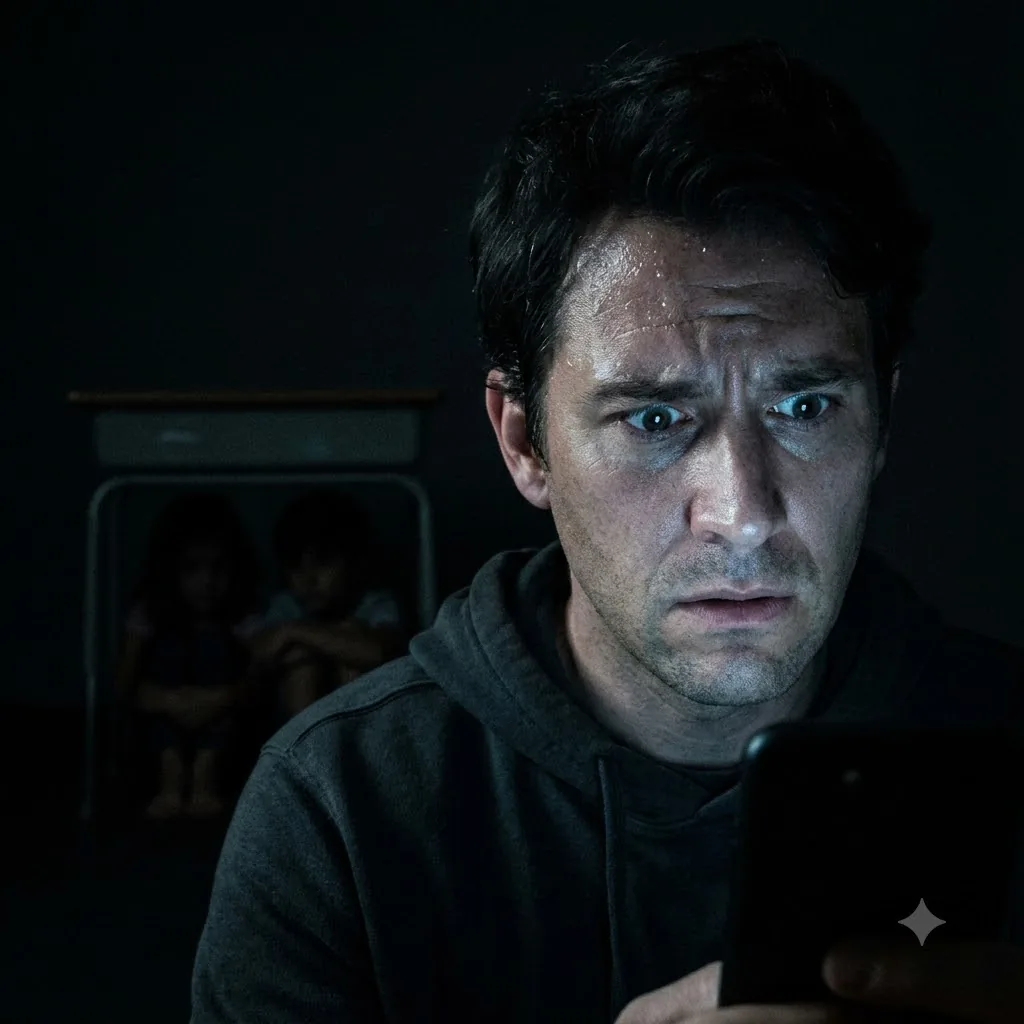
His phone was going off. In the oppressive quiet, the vibration felt like a jackhammer. He pressed his hand hard over his pocket, trying to muffle the mechanical hum, terrified the noise would bleed through the thin fabric of his slacks and broadcast their location to the corridor. The buzzing stopped, leaving a phantom tingle against his skin. Ten seconds later, it started again. A relentless, frantic pulsing. Eli knew exactly what the notification was. He slowly slid his hand into his pocket, his knuckles grazing the fabric, and eased the device out. He cupped his palm over the screen, creating a makeshift hood to contain the harsh artificial light. He tapped the glass. The lock screen illuminated his trembling fingers. It was 1:47 PM. The email banner glared white against the dark background. It was the final notice from the Genesis Fertility Clinic.
The subject line demanded immediate action. They needed a four thousand five hundred dollar security surcharge by two o’clock sharp. Failure to process the payment meant the immediate thawing and disposal of his embryos. It was the last piece of a life he had been trying to build, stored in liquid nitrogen across the city, now held hostage by an automated billing cycle utterly indifferent to a school lockdown. The clinic’s servers did not care that Eli was trapped in the dark with thirty terrified children. The billing system only recognized the ticking clock. If the digital timer hit two o’clock without authorization, his future was gone. He stared at the screen, the blue light reflecting in the sweat beading on his forehead. He had exactly thirteen minutes to choose between his safety and his unborn children.
A faint scrape echoed from the hallway, freezing Eli’s blood. It sounded like metal dragging against the row of lockers outside. A student beneath the nearest table let out a muffled, trembling whimper. Eli shot a desperate, blind glare in the direction of the sound, pressing a finger to his lips even though no one could see him. He had to be a pillar of absolute stillness, the adult in the room, the protector. Yet, beneath his cupped hand, his thumbs were frantic. He swiped up to unlock the phone. The facial recognition failed in the pitch blackness. A tiny red padlock shook left and right on the screen. He wiped his thumb on his pant leg, trying to clear the cold sweat, and tapped the screen again. Passcode required. His fingers felt thick and clumsy as he punched in the six digits. The banking app loaded with agonizing slowness. The loading circle spun, mocking him, dependent on the school’s notoriously spotty cellular reception.
The time at the top of the screen ticked to 1:55 PM. The silence in the room stretched so tight it felt ready to snap. Every breath taken by the children sounded ragged and overwhelmingly loud. Eli navigated to the wire transfer page. His checking account barely held five thousand dollars. It was his emergency fund, his rent, his grocery money for the next two months. The clinic’s payment portal required him to copy and paste a routing number, then confirm the exact surcharge amount. His hand shook so violently he dropped the phone against his knee. He caught it just before it clattered to the floor, his heart slamming against his ribs. He held his breath, listening for a reaction from the hallway. Only the low hum of the ventilation system answered.
He opened the browser, toggled back to his email to copy the account string, and returned to the banking app. 1:58 PM. Two minutes left. The digits blurred together as the moisture built in his eyes. He pasted the routing number into the empty field. He typed four, five, zero, zero. The bright green authorization button pulsed at the bottom of the screen. He just needed to press it, to send the money into the void and secure the only hope he had left for a family. He hovered his trembling thumb over the glass. 1:59 PM. He pressed down firmly on the green button. At that exact second, a heavy shadow blocked the thin strip of light under the classroom door, and the industrial brass handle began to press downward with a slow, agonizing metallic click.
The darkness in room 204 was absolute, thick enough to choke on. Thirty seventh-graders sat crammed beneath the heavy science lab tables, their knees pulled tight to their chests, holding their breath in a collective, suffocating silence. Eli crouched near the teacher’s desk, his back pressed hard against the cold cinderblock wall. The active shooter drill protocols had been drilled into them for years-lights out, blinds drawn, doors locked, absolute silence. The heavy, rhythmic thud of boots vibrating through the floorboards an hour ago had proven this was no drill. The air tasted stale, smelling of floor wax, adolescent sweat, and raw fear. Every shift of a sneaker on the linoleum sounded like a gunshot in the pitch black. Then, the true pressure began. It was not the sound of a weapon in the hallway, but a violent, rhythmic buzzing against Eli’s right thigh.
His phone was going off. In the oppressive quiet, the vibration felt like a jackhammer. He pressed his hand hard over his pocket, trying to muffle the mechanical hum, terrified the noise would bleed through the thin fabric of his slacks and broadcast their location to the corridor. The buzzing stopped, leaving a phantom tingle against his skin. Ten seconds later, it started again. A relentless, frantic pulsing. Eli knew exactly what the notification was. He slowly slid his hand into his pocket, his knuckles grazing the fabric, and eased the device out. He cupped his palm over the screen, creating a makeshift hood to contain the harsh artificial light. He tapped the glass. The lock screen illuminated his trembling fingers. It was 1:47 PM. The email banner glared white against the dark background. It was the final notice from the Genesis Fertility Clinic.
The subject line demanded immediate action. They needed a four thousand five hundred dollar security surcharge by two o’clock sharp. Failure to process the payment meant the immediate thawing and disposal of his embryos. It was the last piece of a life he had been trying to build, stored in liquid nitrogen across the city, now held hostage by an automated billing cycle utterly indifferent to a school lockdown. The clinic’s servers did not care that Eli was trapped in the dark with thirty terrified children. The billing system only recognized the ticking clock. If the digital timer hit two o’clock without authorization, his future was gone. He stared at the screen, the blue light reflecting in the sweat beading on his forehead. He had exactly thirteen minutes to choose between his safety and his unborn children.
A faint scrape echoed from the hallway, freezing Eli’s blood. It sounded like metal dragging against the row of lockers outside. A student beneath the nearest table let out a muffled, trembling whimper. Eli shot a desperate, blind glare in the direction of the sound, pressing a finger to his lips even though no one could see him. He had to be a pillar of absolute stillness, the adult in the room, the protector. Yet, beneath his cupped hand, his thumbs were frantic. He swiped up to unlock the phone. The facial recognition failed in the pitch blackness. A tiny red padlock shook left and right on the screen. He wiped his thumb on his pant leg, trying to clear the cold sweat, and tapped the screen again. Passcode required. His fingers felt thick and clumsy as he punched in the six digits. The banking app loaded with agonizing slowness. The loading circle spun, mocking him, dependent on the school’s notoriously spotty cellular reception.
The time at the top of the screen ticked to 1:55 PM. The silence in the room stretched so tight it felt ready to snap. Every breath taken by the children sounded ragged and overwhelmingly loud. Eli navigated to the wire transfer page. His checking account barely held five thousand dollars. It was his emergency fund, his rent, his grocery money for the next two months. The clinic’s payment portal required him to copy and paste a routing number, then confirm the exact surcharge amount. His hand shook so violently he dropped the phone against his knee. He caught it just before it clattered to the floor, his heart slamming against his ribs. He held his breath, listening for a reaction from the hallway. Only the low hum of the ventilation system answered.
He opened the browser, toggled back to his email to copy the account string, and returned to the banking app. 1:58 PM. Two minutes left. The digits blurred together as the moisture built in his eyes. He pasted the routing number into the empty field. He typed four, five, zero, zero. The bright green authorization button pulsed at the bottom of the screen. He just needed to press it, to send the money into the void and secure the only hope he had left for a family. He hovered his trembling thumb over the glass. 1:59 PM. He pressed down firmly on the green button. At that exact second, a heavy shadow blocked the thin strip of light under the classroom door, and the industrial brass handle began to press downward with a slow, agonizing metallic click.