Story code: ST-000897
Part 1: The Eighth Hundred
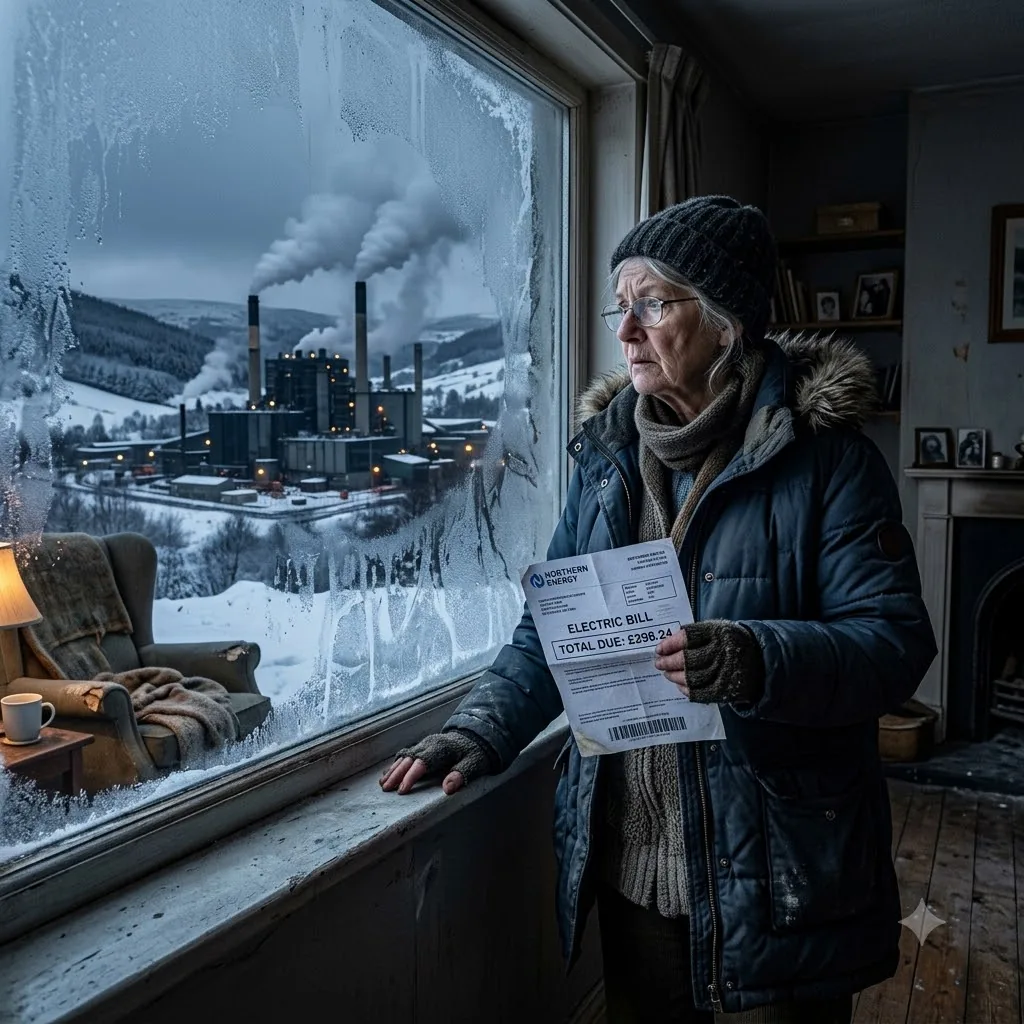
Martha’s breath plumed in the dim light of her own kitchen as she jammed the zero key on her landline with a stiff, gloved finger. She was wearing her late husband’s heavy wool hunting coat zipped all the way to her chin, standing in a house that felt colder than the snowdrift piled against the back door.
“I am sorry, but I did not catch that,” the cheerful automated voice of the regional power authority chirped through the receiver.
The piece of paper on the counter demanded eight hundred and forty dollars. Last month, keeping the thermostat at fifty-five and reading her library books by the light of a single lamp, her electric bill had been ninety-two dollars. This new number was an eight-hundred percent increase. It was a mathematical impossibility, a brutal error she needed a human being to correct before the clock struck noon.
She pressed zero again. The plastic button clicked uselessly. The robot voice began reciting the main menu options for a third time.
A low, rhythmic vibration rattled the ceramic mug in the sink. It was not a heavy truck passing on the county road. It was the hum. It had started three weeks ago, a deep, bone-shaking bass frequency rolling up from the valley floor. The old coal plant down there had sat dead and rusting for a decade. Then the chain-link gates had been padlocked shut with shiny new hardware, unmarked white vans began arriving at all hours, and the hum had begun. Now it was a constant companion, a mechanical pulse that made the windowpanes chatter against their wooden frames day and night.
“Representative,” Martha said into the phone, speaking loudly and clearly.
“To pay your bill using our automated system, press one,” the voice replied.
Martha pulled the phone away from her ear and stared at the receiver. The cold in the kitchen was becoming a physical weight. Her joints ached with a deep, setting chill. If she did not get this resolved, they would cut the line. She had mailed a check for her usual ninety dollars, assuming the eight-hundred-dollar figure was a typo the computer would sort out. A bright pink final notice taped to her front door that morning had proven her wrong. She needed to stop them from throwing the switch.
She brought the phone back to her face. “Customer service.”
“Please enter your twelve-digit account number,” the voice said.
Martha scrambled to flatten the curled pink paper on the counter. She pulled off her right glove with her teeth. Her bare fingers were pale and stiff in the freezing indoor air. She began punching the numbers. One, four, seven. She was too slow. The cold made her digits clumsy and unresponsive.
“I am sorry, we did not receive your input,” the voice chirped. “Please try again.”
The hum from the valley surged, shifting into a higher gear. The sound was so deep she felt it in her teeth. It sounded like an ocean liner running its engines at full throttle right in her backyard. The vibration knocked a teaspoon off the counter. It clattered onto the linoleum.
She started typing the numbers again, forcing her rigid fingers to move faster. One, four, seven, eight, two, three, nine.
The robot voice interrupted. “Please note, due to an unusually high volume of inquiries in your area, all representatives are currently assisting other customers. Your estimated wait time is…” A pause of dead static followed. “…forty-five minutes.”
Martha closed her eyes. The cold was biting right through her thick corduroy trousers. She could not wait forty-five minutes. Her core temperature was already dropping. She needed to reach the town hall, where the emergency relief office operated on Tuesdays. She needed to look a human being in the eye and show them the pink paper and the absurd eight-hundred-dollar demand so they could put a freeze on her account.
“I will hold,” Martha said to the empty kitchen.
Soft, distorted classical music began to play through the earpiece. Martha leaned against the counter, shifting her weight from one frozen foot to the other. The floorboards offered absolutely no insulation. She watched the delicate frost pattern creeping up the inside of the window glass. Outside, the dead winter trees stood completely still in the freezing air, contrasting with the violent, invisible vibration shaking her house from the valley below. The electric meter attached to the side of her house was spinning so fast it emitted a high-pitched whine, audible even through the drywall.
The classical music stopped. A loud mechanical pop echoed from the utility pole outside her window.
The phone went dead.
Martha pressed the receiver hard against her ear. There was no dial tone. There was no robot voice. She turned to look at the refrigerator. The faint, comforting rattle of its compressor had vanished. She flicked the kitchen light switch up and down. Nothing happened. The final threat on the pink paper had been executed.
They had cut her off in the dead of winter.
The only sound left in the world was the massive, industrial hum grinding away down in the valley. Martha placed the useless phone on the counter, grabbed her heavy wool scarf, and reached for the front doorknob.
Martha’s breath plumed in the dim light of her own kitchen as she jammed the zero key on her landline with a stiff, gloved finger. She was wearing her late husband’s heavy wool hunting coat zipped all the way to her chin, standing in a house that felt colder than the snowdrift piled against the back door.
“I am sorry, but I did not catch that,” the cheerful automated voice of the regional power authority chirped through the receiver.
The piece of paper on the counter demanded eight hundred and forty dollars. Last month, keeping the thermostat at fifty-five and reading her library books by the light of a single lamp, her electric bill had been ninety-two dollars. This new number was an eight-hundred percent increase. It was a mathematical impossibility, a brutal error she needed a human being to correct before the clock struck noon.
She pressed zero again. The plastic button clicked uselessly. The robot voice began reciting the main menu options for a third time.
A low, rhythmic vibration rattled the ceramic mug in the sink. It was not a heavy truck passing on the county road. It was the hum. It had started three weeks ago, a deep, bone-shaking bass frequency rolling up from the valley floor. The old coal plant down there had sat dead and rusting for a decade. Then the chain-link gates had been padlocked shut with shiny new hardware, unmarked white vans began arriving at all hours, and the hum had begun. Now it was a constant companion, a mechanical pulse that made the windowpanes chatter against their wooden frames day and night.
“Representative,” Martha said into the phone, speaking loudly and clearly.
“To pay your bill using our automated system, press one,” the voice replied.
Martha pulled the phone away from her ear and stared at the receiver. The cold in the kitchen was becoming a physical weight. Her joints ached with a deep, setting chill. If she did not get this resolved, they would cut the line. She had mailed a check for her usual ninety dollars, assuming the eight-hundred-dollar figure was a typo the computer would sort out. A bright pink final notice taped to her front door that morning had proven her wrong. She needed to stop them from throwing the switch.
She brought the phone back to her face. “Customer service.”
“Please enter your twelve-digit account number,” the voice said.
Martha scrambled to flatten the curled pink paper on the counter. She pulled off her right glove with her teeth. Her bare fingers were pale and stiff in the freezing indoor air. She began punching the numbers. One, four, seven. She was too slow. The cold made her digits clumsy and unresponsive.
“I am sorry, we did not receive your input,” the voice chirped. “Please try again.”
The hum from the valley surged, shifting into a higher gear. The sound was so deep she felt it in her teeth. It sounded like an ocean liner running its engines at full throttle right in her backyard. The vibration knocked a teaspoon off the counter. It clattered onto the linoleum.
She started typing the numbers again, forcing her rigid fingers to move faster. One, four, seven, eight, two, three, nine.
The robot voice interrupted. “Please note, due to an unusually high volume of inquiries in your area, all representatives are currently assisting other customers. Your estimated wait time is…” A pause of dead static followed. “…forty-five minutes.”
Martha closed her eyes. The cold was biting right through her thick corduroy trousers. She could not wait forty-five minutes. Her core temperature was already dropping. She needed to reach the town hall, where the emergency relief office operated on Tuesdays. She needed to look a human being in the eye and show them the pink paper and the absurd eight-hundred-dollar demand so they could put a freeze on her account.
“I will hold,” Martha said to the empty kitchen.
Soft, distorted classical music began to play through the earpiece. Martha leaned against the counter, shifting her weight from one frozen foot to the other. The floorboards offered absolutely no insulation. She watched the delicate frost pattern creeping up the inside of the window glass. Outside, the dead winter trees stood completely still in the freezing air, contrasting with the violent, invisible vibration shaking her house from the valley below. The electric meter attached to the side of her house was spinning so fast it emitted a high-pitched whine, audible even through the drywall.
The classical music stopped. A loud mechanical pop echoed from the utility pole outside her window.
The phone went dead.
Martha pressed the receiver hard against her ear. There was no dial tone. There was no robot voice. She turned to look at the refrigerator. The faint, comforting rattle of its compressor had vanished. She flicked the kitchen light switch up and down. Nothing happened. The final threat on the pink paper had been executed.
They had cut her off in the dead of winter.
The only sound left in the world was the massive, industrial hum grinding away down in the valley. Martha placed the useless phone on the counter, grabbed her heavy wool scarf, and reached for the front doorknob.