Story code: ST-000229
Part 1: The Freezer Behind the Glass
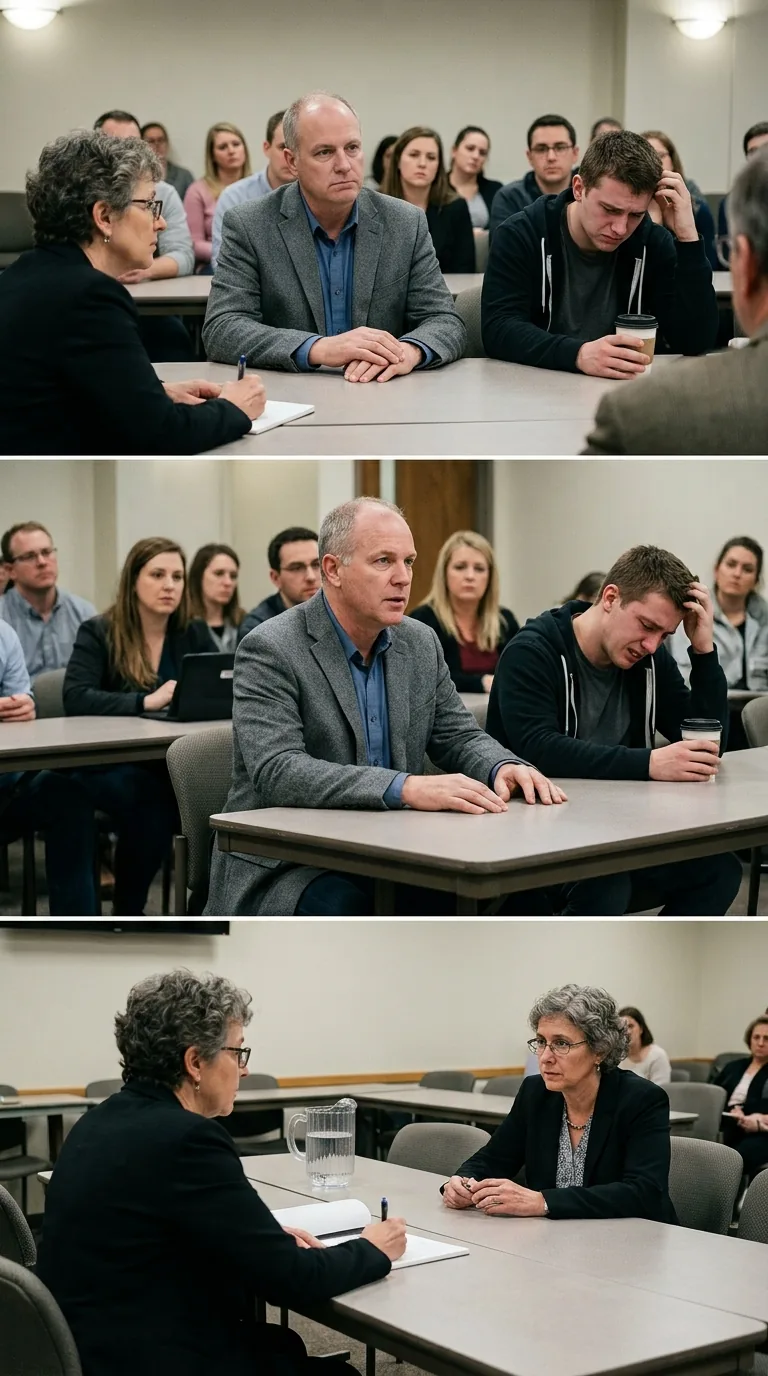
Grant Vale said it in front of the whole bioethics hearing room, like he was reading from a label on a box. “She doesn’t count as next of kin. She doesn’t count as family.”
I was standing by the side wall of the bioethics hearing chamber, close enough to see the sample freezer through the glass panel behind the staff table, close enough to hear the hum of it under the ordinary shuffle of chairs and the scratch of pens. My badge had my name on it. Grant’s hand was on the podium. His voice carried cleanly through the microphones, and the room went still around the freezer and the sealed tray beside it.
Dr. Elena Park looked at me once and then back down at the papers in front of her. She kept one hand on the desk bell, the way people do when they want order more than truth. Around her, the panel members sat in a row under the hearing light, their faces angled toward Grant, not me.
He nodded toward the freezer as if it backed him up. “We are here to discuss oversight, not to let a clone claim standing she doesn’t have.”
A few people in the audience shifted in their seats. One woman in the back lifted her phone and then lowered it again when an assistant glanced her way. Nobody spoke over him. Nobody stopped him.
I had come expecting a hearing. What I got was a public erase job.
Grant did not look at me when he kept talking. He looked at the chair. He looked at the panel. He looked like someone used to being believed first. “There are records,” he said. “There is a sponsor agreement. There is a storage chain on the sample. We are not going to pretend every genetic duplicate gets a vote in a family matter.”
The word duplicate landed harder than the rest. It made a few heads turn toward me, then away.
The freezer stood behind the glass like a threat and a prop at the same time, white metal, blue indicator light, the kind of appliance that should have been about temperatures and inventory, not my name. A technician in a gray coat crossed in front of it carrying a sealed rack, careful and quiet, like the room was built around keeping things contained.
Dr. Park tapped her pen once. “Ms. Vale,” she said, and that was the first time my name had been used all morning. “If you are asserting standing, you will need to clarify the basis.”
Clarify. As if I had not already been saying it with my whole body in the room.
Grant folded his arms and let the silence stretch. He was giving the room time to agree with him without having to say yes out loud. I could feel the shape of it, the way the hearing wanted me to shrink until I fit his version of me.
Mara was seated two rows behind the panel table, hands clasped so tight the knuckles stood out white. She did not look at Grant. She looked at the freezer door every few seconds, then at me, then down at the table in her lap. On the table beside her notebook sat a small envelope I had not noticed before, cream-colored and flat, the kind people keep things in when they do not want them bent.
Grant caught the movement of my eyes. “Don’t go looking for a magic object,” he said. “That’s not how this works.”
My mouth was dry enough to taste the coffee I’d had too fast in the hall. I kept my hands still at my sides because the room was already acting like any motion I made would prove something ugly.
Dr. Park cleared her throat. “The question before us is whether Ms. Vale has standing to challenge access and custody decisions tied to the preserved material.”
Challenge. Access. Custody. Every word made me smaller than the one before it.
Grant finally looked at me then, not kindly, not loudly, just long enough to make the room understand which side he expected to win. “You do not count here unless this panel says you do.”
The freezer light blinked once behind him.
Mara’s fingers moved over the edge of that cream envelope, and I saw her thumb stop on something hard inside it. She had brought it for a reason. I knew her hands, the way they held a thing before she was ready to show it. What I did not know was why she had it here, in this room, with Grant denying me like that and the freezer humming behind the glass.
If I was only a spare, why did she bring something she had kept this long?
Grant Vale said it in front of the whole bioethics hearing room, like he was reading from a label on a box. “She doesn’t count as next of kin. She doesn’t count as family.”
I was standing by the side wall of the bioethics hearing chamber, close enough to see the sample freezer through the glass panel behind the staff table, close enough to hear the hum of it under the ordinary shuffle of chairs and the scratch of pens. My badge had my name on it. Grant’s hand was on the podium. His voice carried cleanly through the microphones, and the room went still around the freezer and the sealed tray beside it.
Dr. Elena Park looked at me once and then back down at the papers in front of her. She kept one hand on the desk bell, the way people do when they want order more than truth. Around her, the panel members sat in a row under the hearing light, their faces angled toward Grant, not me.
He nodded toward the freezer as if it backed him up. “We are here to discuss oversight, not to let a clone claim standing she doesn’t have.”
A few people in the audience shifted in their seats. One woman in the back lifted her phone and then lowered it again when an assistant glanced her way. Nobody spoke over him. Nobody stopped him.
I had come expecting a hearing. What I got was a public erase job.
Grant did not look at me when he kept talking. He looked at the chair. He looked at the panel. He looked like someone used to being believed first. “There are records,” he said. “There is a sponsor agreement. There is a storage chain on the sample. We are not going to pretend every genetic duplicate gets a vote in a family matter.”
The word duplicate landed harder than the rest. It made a few heads turn toward me, then away.
The freezer stood behind the glass like a threat and a prop at the same time, white metal, blue indicator light, the kind of appliance that should have been about temperatures and inventory, not my name. A technician in a gray coat crossed in front of it carrying a sealed rack, careful and quiet, like the room was built around keeping things contained.
Dr. Park tapped her pen once. “Ms. Vale,” she said, and that was the first time my name had been used all morning. “If you are asserting standing, you will need to clarify the basis.”
Clarify. As if I had not already been saying it with my whole body in the room.
Grant folded his arms and let the silence stretch. He was giving the room time to agree with him without having to say yes out loud. I could feel the shape of it, the way the hearing wanted me to shrink until I fit his version of me.
Mara was seated two rows behind the panel table, hands clasped so tight the knuckles stood out white. She did not look at Grant. She looked at the freezer door every few seconds, then at me, then down at the table in her lap. On the table beside her notebook sat a small envelope I had not noticed before, cream-colored and flat, the kind people keep things in when they do not want them bent.
Grant caught the movement of my eyes. “Don’t go looking for a magic object,” he said. “That’s not how this works.”
My mouth was dry enough to taste the coffee I’d had too fast in the hall. I kept my hands still at my sides because the room was already acting like any motion I made would prove something ugly.
Dr. Park cleared her throat. “The question before us is whether Ms. Vale has standing to challenge access and custody decisions tied to the preserved material.”
Challenge. Access. Custody. Every word made me smaller than the one before it.
Grant finally looked at me then, not kindly, not loudly, just long enough to make the room understand which side he expected to win. “You do not count here unless this panel says you do.”
The freezer light blinked once behind him.
Mara’s fingers moved over the edge of that cream envelope, and I saw her thumb stop on something hard inside it. She had brought it for a reason. I knew her hands, the way they held a thing before she was ready to show it. What I did not know was why she had it here, in this room, with Grant denying me like that and the freezer humming behind the glass.
If I was only a spare, why did she bring something she had kept this long?