Story code: ST-001000
Part 1: Sweat Equity
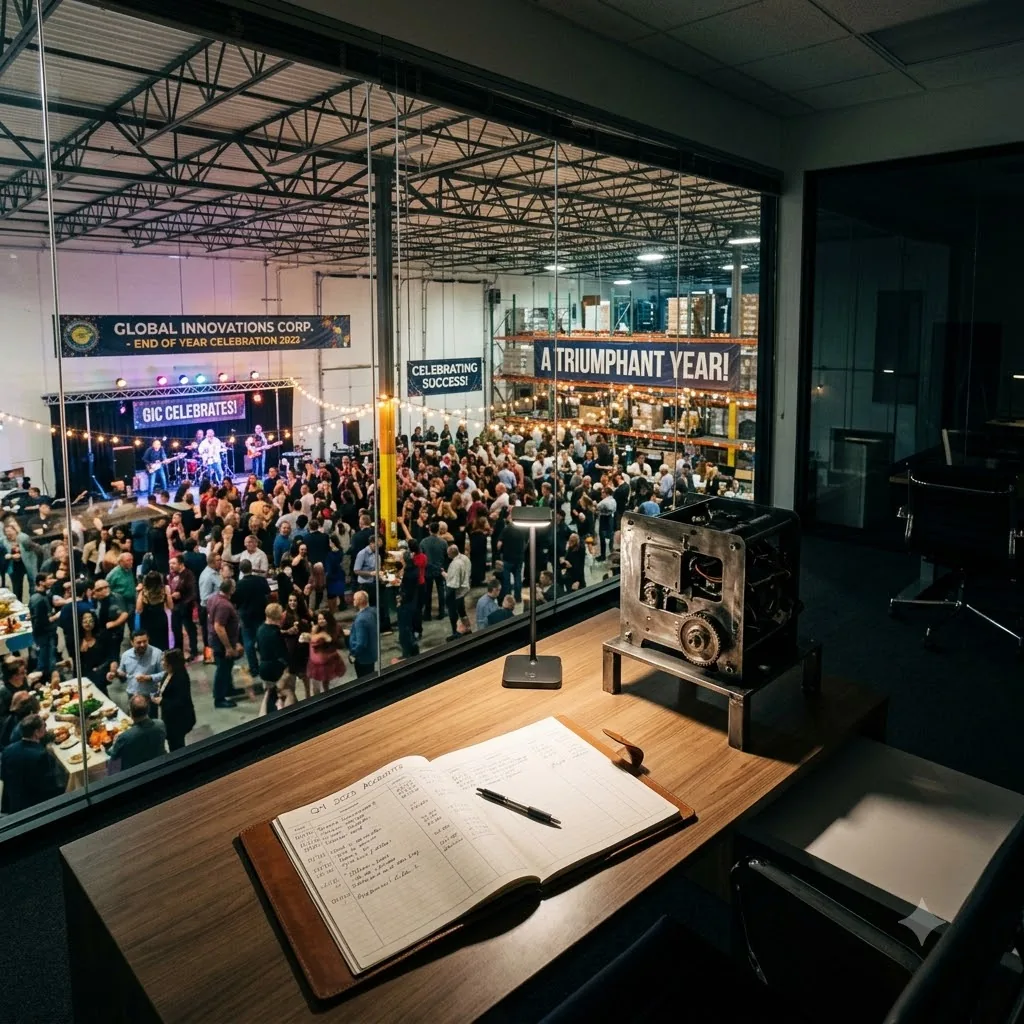
The bass from the warehouse floor shook the frosted glass of Julian’s office door, but the moment the latch clicked shut, the silence swallowed the room. Silas leaned against the heavy oak, letting the quiet wash over him while the roar of three hundred people celebrating a billion-dollar public offering became a dull, distant thud. He only needed a pen. The PR team was waiting by the main stage with an oversized novelty check, demanding the lead hardware engineer sign the ceremonial first million-dollar milestone. He patted his grease-stained pockets, found them empty, and stepped toward the massive mahogany desk.
Downstairs, confetti cannons were raining gold foil over the exact server racks Silas had spent four years assembling by hand. His knuckles were still scarred from slipped wrenches and stripped screws, the deep grooves packed with thermal paste that no soap could ever completely wash away. He had built the company’s infrastructure from a freezing residential garage into this cavernous industrial complex, trading a living wage for a promise. The founder, Julian, had called it sweat equity. Silas had called it survival. He had dodged his landlord for forty-eight months, eaten stale food from vending machines, and trusted the math. The bell had rung on the stock exchange that morning. The champagne was flowing in rivers across the loading dock.
Silas reached for the brass pen cup on the desk. That was when he saw the leather-bound ledger lying open under the glow of the green banker’s lamp.
It was the master capitalization table. This was not the simplified, glossy dashboard the employees saw on their web portals. This was the un-redacted legal ledger, thick with footnotes, liquidation preferences, and anti-dilution clauses. Julian had left it sitting out, a careless monument to his own victory, the pages pressed flat right in the center of the leather blotter.
Silas froze. His eyes locked onto the alphabetical index tabbed with gold leaf. He turned the heavy pages, the paper rough and expensive under his calloused thumb, until he reached the M section.
There was his name. Silas Mercer. First Employee. Lead Engineer.
He knew his initial grant by heart. Two hundred thousand shares. It was a number he whispered to himself every time the late notices appeared taped to his apartment door. It was the number that kept him soldering motherboards at three in the morning when the heating bill went unpaid.
Silas grabbed a blank Post-it note from the edge of the monitor and clicked the brass pen open. He looked at the columns next to his name.
The first column showed the Series A dilution. He expected that. You give up a piece of the pie to make the pie bigger. He wrote down the new fraction. Then came the Series B. The numbers began to twist. A new column, titled Participating Preferred Stock, sat beside a list of the venture capital firms. Silas did not have an MBA, but he understood logic gates, dependencies, and rigid mathematical structures. He traced the lines of ink, reading the fine print detailing a three-times liquidation preference that had to be paid out before the common shares saw a single cent. Then came the recapitalization clauses hidden in the mezzanine round.
The bass vibrated up through the soles of his steel-toed work boots. He wrote the opening bell price on the yellow square. Fifty-two dollars a share. He multiplied that by his diluted count, subtracted the venture capital payouts, and applied the penalty clauses.
He crossed out his calculation. He must have made a mistake.
Silas pressed the pen down again, doing the long division, carrying the decimals, his hand moving frantically across the small yellow square. He pressed so hard the ballpoint tore through the paper, leaving a deep, jagged groove in the mahogany wood beneath it.
The final number remained exactly the same.
A suffocating heat rose in his chest, radiating down his arms and turning his fingers numb. The ledger spelled out the architecture of a perfect, legal theft. The equity he had bled for had been systematically subordinated, reclassified, and diluted into dust through a maze of holding companies and silent board votes. Julian had not made him a partner. Julian had made him a firewall, built to absorb the damage and burn away when the structure was secure.
Silas walked slowly toward the floor-to-ceiling window overlooking the eastern edge of the city. Beyond the glow of the industrial park, he could see the silhouette of his own neighborhood in the distance, a grid of fading streetlights and decaying brick walk-ups. He lived in a fourth-floor unit where the property manager left aggressive notices taped to the mailbox. He had promised the manager the IPO would clear his debts. He held the torn yellow paper against the cold glass of the windowpane. The leather-bound ledger sitting on the desk behind him was not a receipt for four years of grueling physical sacrifice. The corporate math translated into the absolute physical reality of an immediate eviction from his neighborhood, leaving his four years of sweat valued at exactly four hundred and twelve dollars, just as the brass handle on the frosted glass door began to turn.
The bass from the warehouse floor shook the frosted glass of Julian’s office door, but the moment the latch clicked shut, the silence swallowed the room. Silas leaned against the heavy oak, letting the quiet wash over him while the roar of three hundred people celebrating a billion-dollar public offering became a dull, distant thud. He only needed a pen. The PR team was waiting by the main stage with an oversized novelty check, demanding the lead hardware engineer sign the ceremonial first million-dollar milestone. He patted his grease-stained pockets, found them empty, and stepped toward the massive mahogany desk.
Downstairs, confetti cannons were raining gold foil over the exact server racks Silas had spent four years assembling by hand. His knuckles were still scarred from slipped wrenches and stripped screws, the deep grooves packed with thermal paste that no soap could ever completely wash away. He had built the company’s infrastructure from a freezing residential garage into this cavernous industrial complex, trading a living wage for a promise. The founder, Julian, had called it sweat equity. Silas had called it survival. He had dodged his landlord for forty-eight months, eaten stale food from vending machines, and trusted the math. The bell had rung on the stock exchange that morning. The champagne was flowing in rivers across the loading dock.
Silas reached for the brass pen cup on the desk. That was when he saw the leather-bound ledger lying open under the glow of the green banker’s lamp.
It was the master capitalization table. This was not the simplified, glossy dashboard the employees saw on their web portals. This was the un-redacted legal ledger, thick with footnotes, liquidation preferences, and anti-dilution clauses. Julian had left it sitting out, a careless monument to his own victory, the pages pressed flat right in the center of the leather blotter.
Silas froze. His eyes locked onto the alphabetical index tabbed with gold leaf. He turned the heavy pages, the paper rough and expensive under his calloused thumb, until he reached the M section.
There was his name. Silas Mercer. First Employee. Lead Engineer.
He knew his initial grant by heart. Two hundred thousand shares. It was a number he whispered to himself every time the late notices appeared taped to his apartment door. It was the number that kept him soldering motherboards at three in the morning when the heating bill went unpaid.
Silas grabbed a blank Post-it note from the edge of the monitor and clicked the brass pen open. He looked at the columns next to his name.
The first column showed the Series A dilution. He expected that. You give up a piece of the pie to make the pie bigger. He wrote down the new fraction. Then came the Series B. The numbers began to twist. A new column, titled Participating Preferred Stock, sat beside a list of the venture capital firms. Silas did not have an MBA, but he understood logic gates, dependencies, and rigid mathematical structures. He traced the lines of ink, reading the fine print detailing a three-times liquidation preference that had to be paid out before the common shares saw a single cent. Then came the recapitalization clauses hidden in the mezzanine round.
The bass vibrated up through the soles of his steel-toed work boots. He wrote the opening bell price on the yellow square. Fifty-two dollars a share. He multiplied that by his diluted count, subtracted the venture capital payouts, and applied the penalty clauses.
He crossed out his calculation. He must have made a mistake.
Silas pressed the pen down again, doing the long division, carrying the decimals, his hand moving frantically across the small yellow square. He pressed so hard the ballpoint tore through the paper, leaving a deep, jagged groove in the mahogany wood beneath it.
The final number remained exactly the same.
A suffocating heat rose in his chest, radiating down his arms and turning his fingers numb. The ledger spelled out the architecture of a perfect, legal theft. The equity he had bled for had been systematically subordinated, reclassified, and diluted into dust through a maze of holding companies and silent board votes. Julian had not made him a partner. Julian had made him a firewall, built to absorb the damage and burn away when the structure was secure.
Silas walked slowly toward the floor-to-ceiling window overlooking the eastern edge of the city. Beyond the glow of the industrial park, he could see the silhouette of his own neighborhood in the distance, a grid of fading streetlights and decaying brick walk-ups. He lived in a fourth-floor unit where the property manager left aggressive notices taped to the mailbox. He had promised the manager the IPO would clear his debts. He held the torn yellow paper against the cold glass of the windowpane. The leather-bound ledger sitting on the desk behind him was not a receipt for four years of grueling physical sacrifice. The corporate math translated into the absolute physical reality of an immediate eviction from his neighborhood, leaving his four years of sweat valued at exactly four hundred and twelve dollars, just as the brass handle on the frosted glass door began to turn.