Story code: ST-001018
Part 1: The Zero-Day Eviction
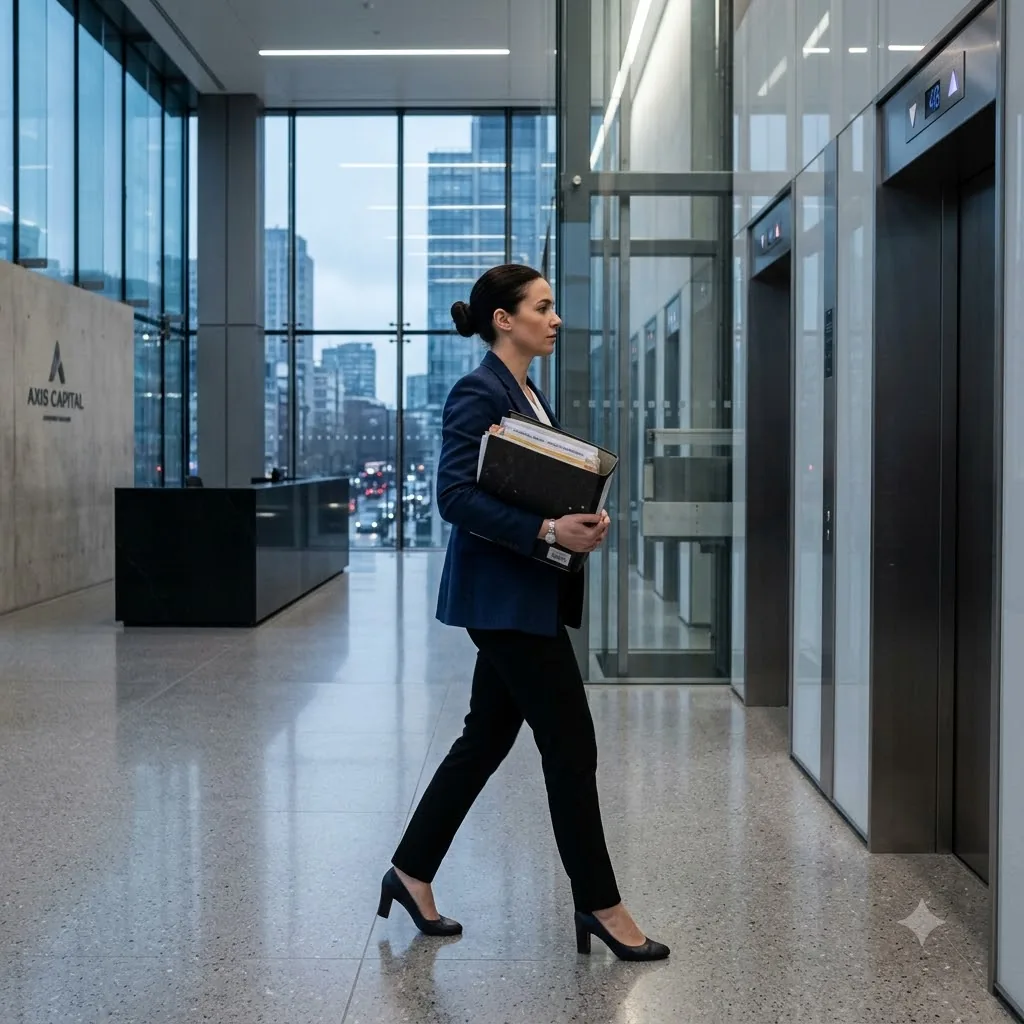
Sarah flattened the crumpled edges of the bank foreclosure notice against the cold glass of the reception desk. The document was her thirty-day eviction warning, and twenty-seven of those days had already burned away. She stood in the sterile, aggressively minimalist lobby of Horizon Commerce, her boots leaving faint dust scuffs on the gleaming white terrazzo floor. The security guard stationed behind the curved desk crossed his arms, his posture a solid wall between her and the elevator bank.
She had driven fourteen hours straight from Portland to Silicon Valley with the physical remnants of a digital disaster sitting on her passenger seat. The man she needed to see was David Thorne, Horizon’s Vice President of Merchant Algorithms. Two weeks ago, Thorne had pushed a minor platform update live. In the space of an hour, Sarah’s vintage clothing store vanished from the internet. Her daily traffic plummeted from four thousand unique visitors to zero. The algorithm had decided her digital storefront no longer existed, and now, the bank had decided her physical home would suffer the exact same fate.
The lobby felt like the inside of a vacuum. No phones rang. The air smelled of artificial citrus and heavily filtered air conditioning. The few employees moving through the turnstiles wore noise-canceling headphones and stared at matte-black screens, ignoring her entirely. They moved like ghosts through the polished corridors. Sarah gripped her manila folder tighter, feeling the sharp corner press into her palm. The folder held printouts of the foreclosure notice, the zeroed-out analytics dashboards, the unpaid invoices from suppliers, and the final payroll checks she had bounced for her three employees. The paper was heavy, dense with failure.
For seven years, she had built her business from a spare bedroom into a warehouse operation. She had trusted Horizon Commerce to host her livelihood. She paid their premium fees, attended their virtual merchant summits, and followed their best practices. Then came the Thursday update. No warning. No recourse. The automated support system had repeatedly closed her desperate tickets with generic automated responses, citing a violation of updated algorithmic parameters without ever defining the parameters.
She wanted Thorne to touch the paper. She wanted him to feel the physical ruin his lines of code had manifested in the real world. She wanted him to look at the name of the bank seizing her home.
The guard leaned forward, his voice a low, practiced monotone. He told her again that Mr. Thorne did not take walk-in appointments, that the executive level was restricted, and that she needed to leave the premises immediately or he would summon local police. Sarah did not move. She planted her feet on the white tile and stared past his shoulder at the brushed steel doors of the executive elevator. The bank would seize her property on Monday morning. Her credit was destroyed. Her inventory was locked in a warehouse she could no longer access. She had absolutely nothing left to lose by standing in this blindingly white room until she was physically removed.
She rehearsed her opening lines. She would bypass the desk. She would step directly into Thorne’s path the moment he appeared. She would shove the foreclosure notice into his chest, forcing him to take it. She would make him look at the red ink and the bold type. She pictured him stepping out of the elevator in a bespoke suit, flanked by sycophantic assistants holding tablets and reading off quarterly earnings. She imagined his detached, polite confusion, the corporate smile of a man who dealt only in aggregates and percentages, never in ruined lives. She fed her anger with these images, letting the heat of it keep her awake after the grueling overnight drive through the mountains.
A harsh, electronic chime echoed through the cavernous space.
The digital display above the executive elevator began to count down. Floor thirty. Floor twenty. The descent was rapid, almost too fast. The guard behind the desk glanced at his monitor, frowned, and tapped his earpiece. His relaxed, authoritative stance evaporated. He stood up straight, his hand dropping to the heavy radio clipped to his belt.
Sarah stepped closer to the turnstiles, clutching her folder to her chest like a shield. Floor ten. Floor five. She braced herself. She was ready to shout over the security guard. She was ready to cause a scene that the PR department would have to manage.
The chime sounded a second time. The steel doors slid apart.
Sarah lunged forward, her mouth opening to deliver the speech she had practiced for five hundred miles. The words died in her throat.
There was no bespoke suit. There were no assistants holding tablets.
David Thorne tumbled out of the elevator cab, completely off-balance, his expensive dress shirt torn at the shoulder. Two massive men in tactical black uniforms had him by the upper arms. They were not Horizon corporate security. Their vests bore no logos, and they were moving with violent, practiced efficiency. They hauled Thorne forward, his polished leather shoes dragging uselessly across the pristine terrazzo.
Thorne’s face was completely bloodless, a stark mask of terror. He was hyperventilating, his chest heaving under the ruined fabric. His eyes were wide and unblinking, fixed intensely on the glass doors leading to the street, as if he expected something even worse to come crashing through them. He looked like a man who had just been dragged out of a burning building, not a tech executive descending from a climate-controlled C-suite office.
One of the tactical guards shoved Thorne violently toward the turnstiles, causing the executive to stumble and crash his hip hard into the metal barrier. The impact echoed sharply in the quiet lobby. A small, black leather notebook spilled from his torn pocket, sliding rapidly across the polished floor and coming to rest exactly inches from Sarah’s dust-scuffed boots.
Thorne gasped and scrambled toward it with desperate, animal panic, ignoring the guards. The larger of the two men stepped heavily on Thorne’s wrist, pinning the executive to the ground with a sickening crunch. Sarah bent down and closed her fingers around the notebook just as Thorne looked up, his terrified eyes locking directly onto hers.
Sarah flattened the crumpled edges of the bank foreclosure notice against the cold glass of the reception desk. The document was her thirty-day eviction warning, and twenty-seven of those days had already burned away. She stood in the sterile, aggressively minimalist lobby of Horizon Commerce, her boots leaving faint dust scuffs on the gleaming white terrazzo floor. The security guard stationed behind the curved desk crossed his arms, his posture a solid wall between her and the elevator bank.
She had driven fourteen hours straight from Portland to Silicon Valley with the physical remnants of a digital disaster sitting on her passenger seat. The man she needed to see was David Thorne, Horizon’s Vice President of Merchant Algorithms. Two weeks ago, Thorne had pushed a minor platform update live. In the space of an hour, Sarah’s vintage clothing store vanished from the internet. Her daily traffic plummeted from four thousand unique visitors to zero. The algorithm had decided her digital storefront no longer existed, and now, the bank had decided her physical home would suffer the exact same fate.
The lobby felt like the inside of a vacuum. No phones rang. The air smelled of artificial citrus and heavily filtered air conditioning. The few employees moving through the turnstiles wore noise-canceling headphones and stared at matte-black screens, ignoring her entirely. They moved like ghosts through the polished corridors. Sarah gripped her manila folder tighter, feeling the sharp corner press into her palm. The folder held printouts of the foreclosure notice, the zeroed-out analytics dashboards, the unpaid invoices from suppliers, and the final payroll checks she had bounced for her three employees. The paper was heavy, dense with failure.
For seven years, she had built her business from a spare bedroom into a warehouse operation. She had trusted Horizon Commerce to host her livelihood. She paid their premium fees, attended their virtual merchant summits, and followed their best practices. Then came the Thursday update. No warning. No recourse. The automated support system had repeatedly closed her desperate tickets with generic automated responses, citing a violation of updated algorithmic parameters without ever defining the parameters.
She wanted Thorne to touch the paper. She wanted him to feel the physical ruin his lines of code had manifested in the real world. She wanted him to look at the name of the bank seizing her home.
The guard leaned forward, his voice a low, practiced monotone. He told her again that Mr. Thorne did not take walk-in appointments, that the executive level was restricted, and that she needed to leave the premises immediately or he would summon local police. Sarah did not move. She planted her feet on the white tile and stared past his shoulder at the brushed steel doors of the executive elevator. The bank would seize her property on Monday morning. Her credit was destroyed. Her inventory was locked in a warehouse she could no longer access. She had absolutely nothing left to lose by standing in this blindingly white room until she was physically removed.
She rehearsed her opening lines. She would bypass the desk. She would step directly into Thorne’s path the moment he appeared. She would shove the foreclosure notice into his chest, forcing him to take it. She would make him look at the red ink and the bold type. She pictured him stepping out of the elevator in a bespoke suit, flanked by sycophantic assistants holding tablets and reading off quarterly earnings. She imagined his detached, polite confusion, the corporate smile of a man who dealt only in aggregates and percentages, never in ruined lives. She fed her anger with these images, letting the heat of it keep her awake after the grueling overnight drive through the mountains.
A harsh, electronic chime echoed through the cavernous space.
The digital display above the executive elevator began to count down. Floor thirty. Floor twenty. The descent was rapid, almost too fast. The guard behind the desk glanced at his monitor, frowned, and tapped his earpiece. His relaxed, authoritative stance evaporated. He stood up straight, his hand dropping to the heavy radio clipped to his belt.
Sarah stepped closer to the turnstiles, clutching her folder to her chest like a shield. Floor ten. Floor five. She braced herself. She was ready to shout over the security guard. She was ready to cause a scene that the PR department would have to manage.
The chime sounded a second time. The steel doors slid apart.
Sarah lunged forward, her mouth opening to deliver the speech she had practiced for five hundred miles. The words died in her throat.
There was no bespoke suit. There were no assistants holding tablets.
David Thorne tumbled out of the elevator cab, completely off-balance, his expensive dress shirt torn at the shoulder. Two massive men in tactical black uniforms had him by the upper arms. They were not Horizon corporate security. Their vests bore no logos, and they were moving with violent, practiced efficiency. They hauled Thorne forward, his polished leather shoes dragging uselessly across the pristine terrazzo.
Thorne’s face was completely bloodless, a stark mask of terror. He was hyperventilating, his chest heaving under the ruined fabric. His eyes were wide and unblinking, fixed intensely on the glass doors leading to the street, as if he expected something even worse to come crashing through them. He looked like a man who had just been dragged out of a burning building, not a tech executive descending from a climate-controlled C-suite office.
One of the tactical guards shoved Thorne violently toward the turnstiles, causing the executive to stumble and crash his hip hard into the metal barrier. The impact echoed sharply in the quiet lobby. A small, black leather notebook spilled from his torn pocket, sliding rapidly across the polished floor and coming to rest exactly inches from Sarah’s dust-scuffed boots.
Thorne gasped and scrambled toward it with desperate, animal panic, ignoring the guards. The larger of the two men stepped heavily on Thorne’s wrist, pinning the executive to the ground with a sickening crunch. Sarah bent down and closed her fingers around the notebook just as Thorne looked up, his terrified eyes locking directly onto hers.