Story code: ST-001049
Part 1: The Yellow Seal
The silence in Room 4 felt heavier than the steady, synthetic pulse of the fetal monitor. Dr. Elias Thorne stood at the foot of the narrow hospital bed, watching the nineteen-year-old mother’s blood pressure drop another ten points on the digital display. His phone vibrated against his ribs, delivering a single, sterile text from Risk Management that stopped his breath in his chest.
“Request denied. Under no circumstances proceed.”
Thorne read the harsh glare of the words twice before shoving the device deep into his scrub pocket. The girl on the bed, Maya, lay entirely still. The room surrounding her was painfully empty. There were no anxious parents pacing the linoleum, no partner clutching her hand, no visitors at all to demand answers from the hospital staff. Just a solitary paper cup of ice melting on the bedside tray and a cheap plastic comb resting beside it. Maya’s skin carried the pale, waxy sheen of someone rapidly running out of time. The dark, terrifying stain spreading beneath her thin cotton gown proved the internal bleeding had not stopped.
The monitor’s pulse quickened into a desperate, fluttering rhythm. Fetal distress. The child was suffocating.
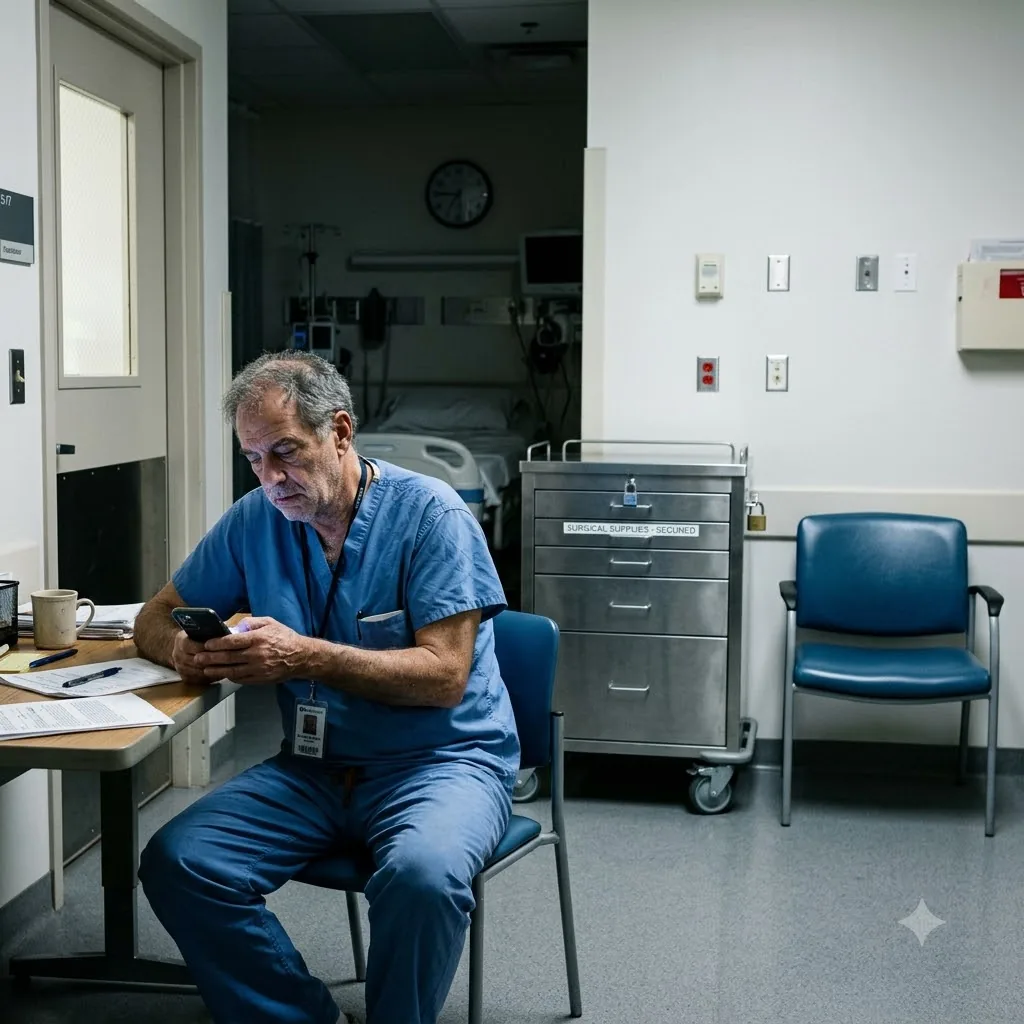
Thorne took a slow step toward the far wall, his eyes fixed on the red crash cart. The surgical drawer at the top was sealed tight with a thick plastic breakaway lock. A bright yellow tag hung from the latch, signaling that the drawer had been inventoried and secured by sterile processing. He needed the instruments resting inside that steel tray. Based on the monitor’s erratic tones, he had perhaps twelve minutes before the lack of oxygen caused irreversible damage to the infant, and even less time before Maya’s own organs began shutting down from hypovolemic shock.
The hospital’s protocol was absolute. Without the senior attending surgeon’s explicit authorization, and with the direct, documented refusal from the legal department burning a hole in his pocket, breaking that yellow seal was a career-ending offense. It was an unauthorized intervention. The lawyers had their rigid parameters, looking only at the missing paperwork, the consent voids, and the liability matrix that dictated hospital policy. They did not have to stand in this freezing room and watch a teenager bleed to death.
Thorne stepped up to the bedside and pressed two fingers to Maya’s cold wrist. Her pulse felt like a wet thread, slipping away under his touch. The isolation of the forgotten wing closed in on him. It was a holiday weekend, and the skeleton crew was stretched dangerously thin managing a multi-car pileup down in the emergency department. Room 4 had been designated merely for quiet observation, a holding pen for a stable patient to rest while the real medicine happened elsewhere. Maya was no longer stable, and Thorne was completely alone.
He released her wrist and turned his gaze back to the door. The hallway outside remained desolate. The overhead fluorescent lights buzzed with a low, indifferent hum. If he walked out that door, marched down to the central station to find the charge nurse, and waited for the administrative chain of command to formally overturn the lawyer’s text, he would return to two corpses.
He walked back to the cart. He gripped the yellow plastic seal. The rough, molded edge bit into the pad of his thumb. The fetal monitor gave a sharp, continuous warning tone, the baseline dropping sharply on the scrolling paper. Thorne curled his fingers firmly around the latch. His medical license, his decade of grueling residency, his hard-won fellowship, and his entire future existed on the intact side of that thin plastic strip.
He snapped the lock.
The loud, sharp crack echoed off the tile walls, cutting through the rhythmic beeping of the machines. Thorne yanked the drawer open. The sterile steel instruments lay in perfect, gleaming rows. He reached for the heavy silver handles of the surgical retractors and the pre-packaged scalpel, laying them out on the Mayo stand. His hands moved with ruthless, mechanical precision despite the heavy, adrenaline-fueled pounding in his chest. He ripped open a package of sterile drapes and snapped a pair of gloves over his hands, discarding the wrappers onto the floor.
He needed to secure the room. Once he made the first cut, there was no going back. Any sudden interference from a circulating nurse or a passing security guard responding to the elevated monitor alarms would break the sterile field and doom both patients. Thorne stepped away from the prepped instruments and moved swiftly toward the heavy wooden door of Room 4. He gripped the metal handle, leaning his full body weight against the frame to pull it flush against the jamb and throw the deadbolt.
A heavy hand slammed flat against the frosted glass from the hallway side.
The silence in Room 4 felt heavier than the steady, synthetic pulse of the fetal monitor. Dr. Elias Thorne stood at the foot of the narrow hospital bed, watching the nineteen-year-old mother’s blood pressure drop another ten points on the digital display. His phone vibrated against his ribs, delivering a single, sterile text from Risk Management that stopped his breath in his chest.
“Request denied. Under no circumstances proceed.”
Thorne read the harsh glare of the words twice before shoving the device deep into his scrub pocket. The girl on the bed, Maya, lay entirely still. The room surrounding her was painfully empty. There were no anxious parents pacing the linoleum, no partner clutching her hand, no visitors at all to demand answers from the hospital staff. Just a solitary paper cup of ice melting on the bedside tray and a cheap plastic comb resting beside it. Maya’s skin carried the pale, waxy sheen of someone rapidly running out of time. The dark, terrifying stain spreading beneath her thin cotton gown proved the internal bleeding had not stopped.
The monitor’s pulse quickened into a desperate, fluttering rhythm. Fetal distress. The child was suffocating.
Thorne took a slow step toward the far wall, his eyes fixed on the red crash cart. The surgical drawer at the top was sealed tight with a thick plastic breakaway lock. A bright yellow tag hung from the latch, signaling that the drawer had been inventoried and secured by sterile processing. He needed the instruments resting inside that steel tray. Based on the monitor’s erratic tones, he had perhaps twelve minutes before the lack of oxygen caused irreversible damage to the infant, and even less time before Maya’s own organs began shutting down from hypovolemic shock.
The hospital’s protocol was absolute. Without the senior attending surgeon’s explicit authorization, and with the direct, documented refusal from the legal department burning a hole in his pocket, breaking that yellow seal was a career-ending offense. It was an unauthorized intervention. The lawyers had their rigid parameters, looking only at the missing paperwork, the consent voids, and the liability matrix that dictated hospital policy. They did not have to stand in this freezing room and watch a teenager bleed to death.
Thorne stepped up to the bedside and pressed two fingers to Maya’s cold wrist. Her pulse felt like a wet thread, slipping away under his touch. The isolation of the forgotten wing closed in on him. It was a holiday weekend, and the skeleton crew was stretched dangerously thin managing a multi-car pileup down in the emergency department. Room 4 had been designated merely for quiet observation, a holding pen for a stable patient to rest while the real medicine happened elsewhere. Maya was no longer stable, and Thorne was completely alone.
He released her wrist and turned his gaze back to the door. The hallway outside remained desolate. The overhead fluorescent lights buzzed with a low, indifferent hum. If he walked out that door, marched down to the central station to find the charge nurse, and waited for the administrative chain of command to formally overturn the lawyer’s text, he would return to two corpses.
He walked back to the cart. He gripped the yellow plastic seal. The rough, molded edge bit into the pad of his thumb. The fetal monitor gave a sharp, continuous warning tone, the baseline dropping sharply on the scrolling paper. Thorne curled his fingers firmly around the latch. His medical license, his decade of grueling residency, his hard-won fellowship, and his entire future existed on the intact side of that thin plastic strip.
He snapped the lock.
The loud, sharp crack echoed off the tile walls, cutting through the rhythmic beeping of the machines. Thorne yanked the drawer open. The sterile steel instruments lay in perfect, gleaming rows. He reached for the heavy silver handles of the surgical retractors and the pre-packaged scalpel, laying them out on the Mayo stand. His hands moved with ruthless, mechanical precision despite the heavy, adrenaline-fueled pounding in his chest. He ripped open a package of sterile drapes and snapped a pair of gloves over his hands, discarding the wrappers onto the floor.
He needed to secure the room. Once he made the first cut, there was no going back. Any sudden interference from a circulating nurse or a passing security guard responding to the elevated monitor alarms would break the sterile field and doom both patients. Thorne stepped away from the prepped instruments and moved swiftly toward the heavy wooden door of Room 4. He gripped the metal handle, leaning his full body weight against the frame to pull it flush against the jamb and throw the deadbolt.
A heavy hand slammed flat against the frosted glass from the hallway side.