Story code: ST-001063
Part 1: Silent Exile
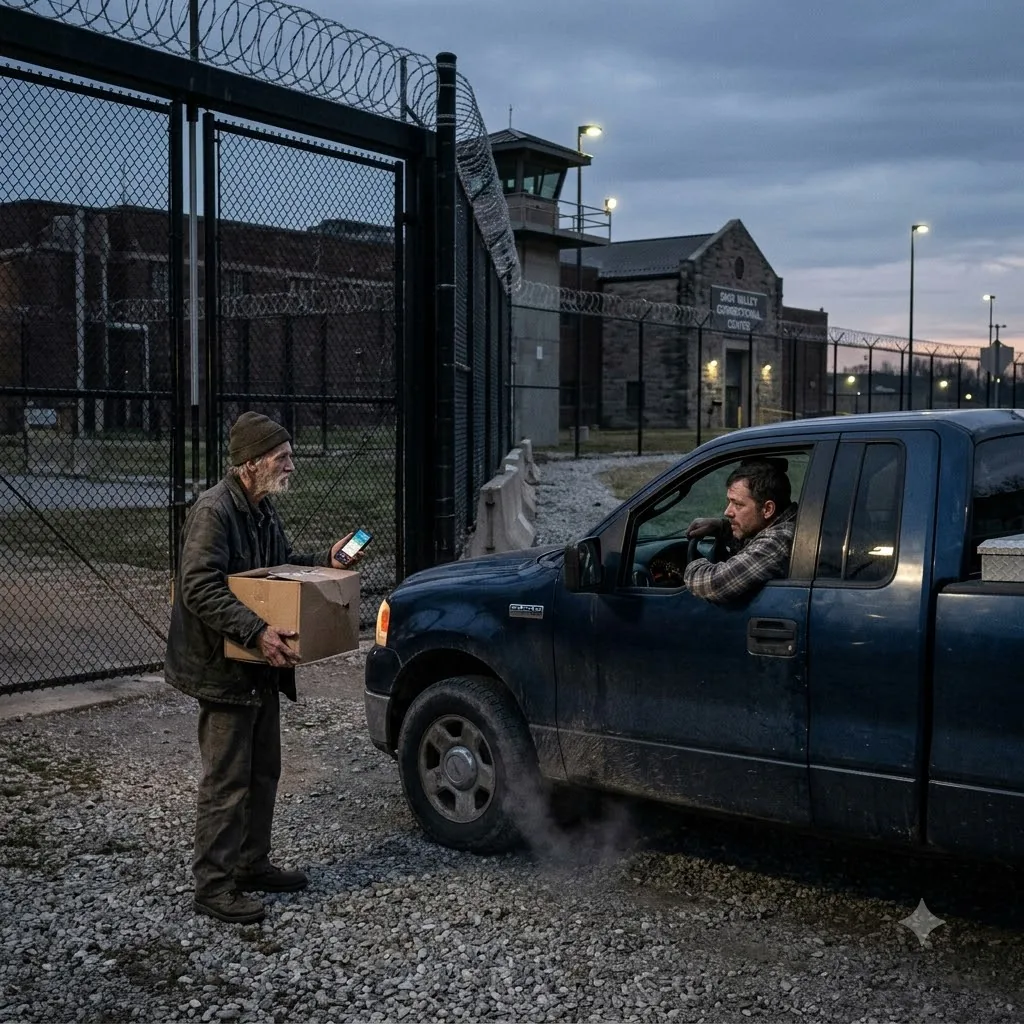
Pete stood in the crushed gravel of the East Gate parking lot, a damp cardboard box digging into his ribs. The steel-reinforced doors behind him had just locked with their familiar heavy clack, shutting him out just as the facility shift change siren began to wail. Overhead, the amber strobe lights spun in slow, rhythmic circles to signal the beginning of the afternoon lockdown. Nineteen years of walking through that exact door ended without a single human voice to mark the occasion.
His heavy leather duty belt felt strangely light without the familiar weight of his radio, baton, and heavy brass keys. Inside the cardboard box rested his dented aluminum thermos, a frayed fleece jacket he kept in the breakroom for the night shifts, and a faded photograph of his daughter. The items rattled together as a sharp gust of autumn wind swept across the expansive asphalt lot. Pete shifted his stance, the gravel crunching loudly under his steel-toed boots. He stared back at the imposing concrete facade of the penitentiary. He knew every crack in that wall and every blind spot on the recreation yard.
The afternoon crowd began to spill out of the secondary exit. These were men and women Pete had trained from their first day on the job. They knew his calm, steady voice over the intercom better than they knew their own spouses. A younger guard named Torres stopped mid-stride, his eyes darting from Pete’s weathered face down to the cardboard box. Torres opened his mouth, then closed it, taking a deliberate step back into the flow of departing uniforms. Nobody knew what to say to a fixture of the facility standing on the wrong side of the wire. They walked faster, pulling their coats tight, eager to avoid the contagion of sudden unemployment.
The termination had happened exactly eleven minutes ago at the automated security turnstile. Pete had pressed his thumb to the scanner just like he did every morning at five. Instead of the familiar green arrow and the mechanical click of the gate unlocking, the turnstile screen flashed a stark white message. The digital text instructed him to report immediately to the sterile vestibule. There, an automated locker hummed to life, dispensing the flat-packed cardboard box along with a printed receipt demanding his brass keys and state-issued badge.
He had waited there for five minutes, expecting a supervisor to step out of the adjacent office and apologize for a system error. The warden remained entirely absent from the administration wing. The vestibule speaker simply directed him in a flat, synthetic tone to place his state property into the intake slot and exit the premises immediately. There were no forms to sign, no exit interview, and no handshake. The steel door had slid open, and the automated system had expelled him into the cold air.
Pete shifted the box to his left arm. The dampness at the bottom came from a leaking coffee cup he had hastily thrown in during his rushed packing. The brown liquid seeped through the corrugated cardboard, staining the gray gravel near the toe of his boot. He watched the stain spread, a dull anchor to the reality of the afternoon. Nineteen years of breaking up fights in the cafeteria, pacing the tiered walkways of Block D, and talking dangerous inmates down from the edge of violence, all erased by a silent kiosk in a cinderblock hallway.
A heavy transport bus rumbled past the parking lot, its diesel engine briefly drowning out the electric hum of the perimeter fence. Pete watched the thick exhaust plume dissipate against the overcast sky. The cold bit at his exposed neck. He reached into his coat pocket with his free hand, his calloused fingers brushing against his personal cellphone. The device had vibrated with violent persistence during his silent march out of the vestibule. It felt heavy in his grip, a cold brick of metal and glass.
He pulled the phone out, turning the screen away from the glare of the parking lot floodlights. The glass bore a dense spiderweb of cracks from a drop on the third tier three months ago. He tapped the power button with his thumb. A new notification dominated the lock screen, overriding his personal background image. It was not a message from the human resources department, nor an email from his union representative. The alert originated entirely from the mandatory wellness tracking application installed on all staff devices the previous month.
The notification banner pulsed with a harsh, artificial light against the shattered glass. Pete stared at the display, his breath pluming in the freezing air. The application had bypassed his lock screen security protocols entirely, forcing a single uncloseable window to the forefront of the device. There was no explanation of severance, no digital signature from the warden, and no contact number provided to dispute the sudden firing. The cracked screen displayed only a glowing red circle encircling a stark, zero-percent biometric efficiency score.
Pete stood in the crushed gravel of the East Gate parking lot, a damp cardboard box digging into his ribs. The steel-reinforced doors behind him had just locked with their familiar heavy clack, shutting him out just as the facility shift change siren began to wail. Overhead, the amber strobe lights spun in slow, rhythmic circles to signal the beginning of the afternoon lockdown. Nineteen years of walking through that exact door ended without a single human voice to mark the occasion.
His heavy leather duty belt felt strangely light without the familiar weight of his radio, baton, and heavy brass keys. Inside the cardboard box rested his dented aluminum thermos, a frayed fleece jacket he kept in the breakroom for the night shifts, and a faded photograph of his daughter. The items rattled together as a sharp gust of autumn wind swept across the expansive asphalt lot. Pete shifted his stance, the gravel crunching loudly under his steel-toed boots. He stared back at the imposing concrete facade of the penitentiary. He knew every crack in that wall and every blind spot on the recreation yard.
The afternoon crowd began to spill out of the secondary exit. These were men and women Pete had trained from their first day on the job. They knew his calm, steady voice over the intercom better than they knew their own spouses. A younger guard named Torres stopped mid-stride, his eyes darting from Pete’s weathered face down to the cardboard box. Torres opened his mouth, then closed it, taking a deliberate step back into the flow of departing uniforms. Nobody knew what to say to a fixture of the facility standing on the wrong side of the wire. They walked faster, pulling their coats tight, eager to avoid the contagion of sudden unemployment.
The termination had happened exactly eleven minutes ago at the automated security turnstile. Pete had pressed his thumb to the scanner just like he did every morning at five. Instead of the familiar green arrow and the mechanical click of the gate unlocking, the turnstile screen flashed a stark white message. The digital text instructed him to report immediately to the sterile vestibule. There, an automated locker hummed to life, dispensing the flat-packed cardboard box along with a printed receipt demanding his brass keys and state-issued badge.
He had waited there for five minutes, expecting a supervisor to step out of the adjacent office and apologize for a system error. The warden remained entirely absent from the administration wing. The vestibule speaker simply directed him in a flat, synthetic tone to place his state property into the intake slot and exit the premises immediately. There were no forms to sign, no exit interview, and no handshake. The steel door had slid open, and the automated system had expelled him into the cold air.
Pete shifted the box to his left arm. The dampness at the bottom came from a leaking coffee cup he had hastily thrown in during his rushed packing. The brown liquid seeped through the corrugated cardboard, staining the gray gravel near the toe of his boot. He watched the stain spread, a dull anchor to the reality of the afternoon. Nineteen years of breaking up fights in the cafeteria, pacing the tiered walkways of Block D, and talking dangerous inmates down from the edge of violence, all erased by a silent kiosk in a cinderblock hallway.
A heavy transport bus rumbled past the parking lot, its diesel engine briefly drowning out the electric hum of the perimeter fence. Pete watched the thick exhaust plume dissipate against the overcast sky. The cold bit at his exposed neck. He reached into his coat pocket with his free hand, his calloused fingers brushing against his personal cellphone. The device had vibrated with violent persistence during his silent march out of the vestibule. It felt heavy in his grip, a cold brick of metal and glass.
He pulled the phone out, turning the screen away from the glare of the parking lot floodlights. The glass bore a dense spiderweb of cracks from a drop on the third tier three months ago. He tapped the power button with his thumb. A new notification dominated the lock screen, overriding his personal background image. It was not a message from the human resources department, nor an email from his union representative. The alert originated entirely from the mandatory wellness tracking application installed on all staff devices the previous month.
The notification banner pulsed with a harsh, artificial light against the shattered glass. Pete stared at the display, his breath pluming in the freezing air. The application had bypassed his lock screen security protocols entirely, forcing a single uncloseable window to the forefront of the device. There was no explanation of severance, no digital signature from the warden, and no contact number provided to dispute the sudden firing. The cracked screen displayed only a glowing red circle encircling a stark, zero-percent biometric efficiency score.