Story code: ST-001184
Part 1: The Panic Protocol
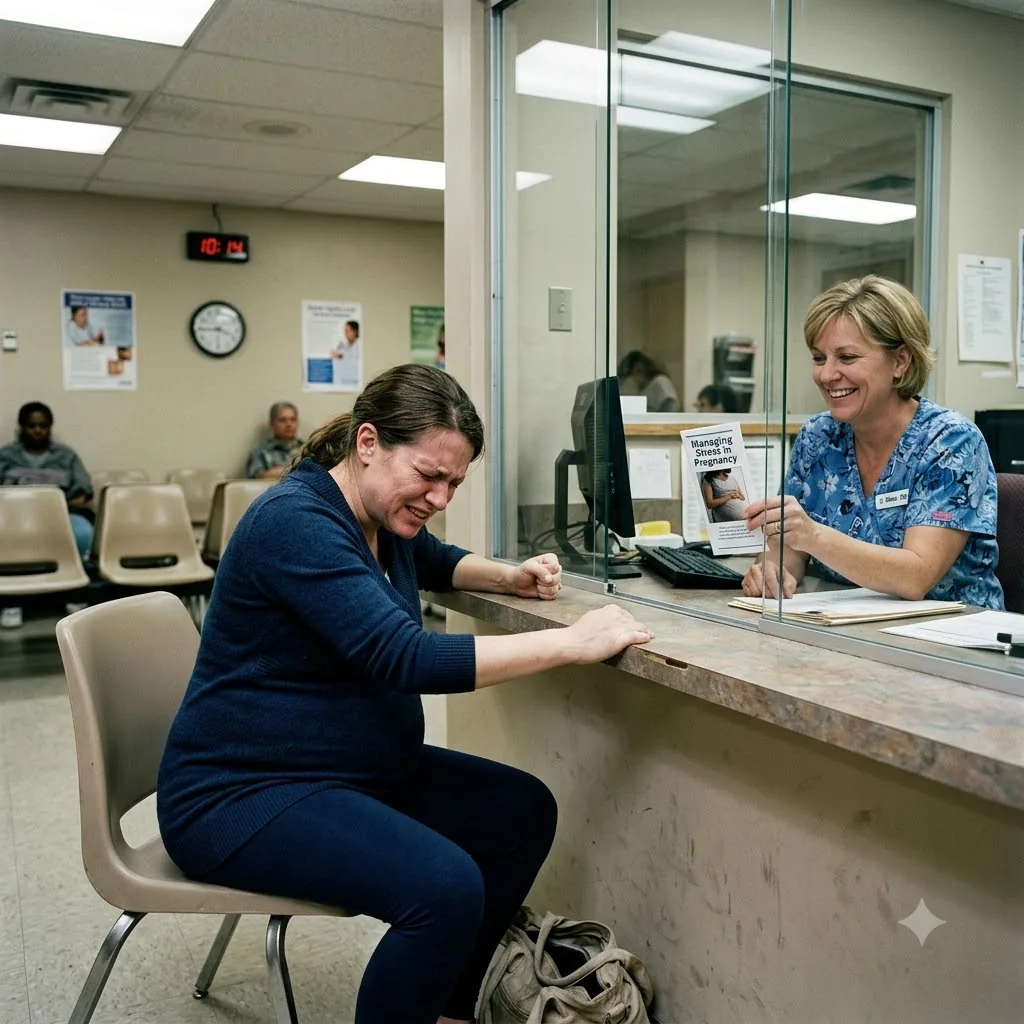
The glossy cardstock of the “Managing Pregnancy Stress” pamphlet crumpled into a damp, misshapen tube inside Maya’s fist. She sat in the rigid plastic chair of the maternity ward waiting room, trying to keep her breathing shallow. A deep breath was impossible. The pain lodged high on her right side, just under her ribcage, felt like a serrated blade twisting through her abdomen. She was thirty-four weeks pregnant, and the bright fluorescent lights overhead were beginning to smear into long, hazy streaks of white. The waiting room television played a muted daytime talk show, a surreal and cheerful backdrop to the cold sweat pooling at the base of her spine.
Maya pressed her left hand beneath her heavy belly and drove the heel of her right hand into her side, trying to physically brace against the agony. It did nothing. The pain was catastrophic, radiating upward into her shoulder and stealing the oxygen from her lungs.
“Maya Vance,” a voice called out.
Maya forced her eyes open. Behind a sliding glass window, a triage nurse in crisp navy scrubs held a clipboard. Her badge read Brenda. Maya pushed herself up from the chair. Her knees shook. Every step toward the triage door required intense concentration to keep from collapsing onto the speckled linoleum floor. She shuffled through the door and sank heavily into the blood pressure chair beside Brenda’s desk.
Brenda did not look up from her monitor. She reached over, grabbed Maya’s arm, and wrapped a grey blood pressure cuff around her bicep. The Velcro ripped with a sharp, jarring sound.
“Tell me your symptoms,” Brenda commanded, her eyes locked on a solitaire game running in a small window behind the electronic medical records system.
Maya swallowed hard, trying to push the words past the tightness in her throat. She explained about the blinding pain in her upper right side. She stated that her vision was blurry and her head was throbbing with a sickening rhythm.
Brenda sighed. It was a long, heavy exhalation designed to communicate extreme patience. She hit a button on the machine. The cuff began to inflate, squeezing Maya’s arm tighter and tighter.
“First pregnancy,” Brenda noted, reading the screen. It was a statement of fact, layered with immediate judgment. “You need to uncurl your hands and take a slow breath. You are hyperventilating.”
“It is not my breathing,” Maya gasped, gripping the armrest as a fresh spike of fire flared beneath her ribs. “Something is wrong.”
Brenda watched the digital readout on the blood pressure machine. The numbers ticked upward, flashing in bright red LED lights. Brenda stared at the screen for three long seconds. Her expression remained completely flat, completely unbothered. She reached out and pressed a button. The screen went blank before Maya could force her blurry vision to focus on the digits.
“Your body is going through a lot of changes right now,” Brenda recited in a rhythmic, singsong voice, the exact tone a teacher uses to scold a frantic toddler. “The third trimester is uncomfortable. It puts a lot of pressure on your organs. What you are experiencing right now is a classic panic attack.”
Maya shook her head. The movement made the room tilt dangerously. She insisted that she was not having a panic attack. She pleaded with the nurse to listen, explaining that the pain was tearing her in half.
Brenda pulled the cuff off Maya’s arm and tossed it into a wire basket. She clicked her pen, making a single mark on her clipboard.
“Anxiety makes everything feel much worse than it is,” Brenda said, her voice dropping into a hardened register of absolute authority. “When you get worked up, your heart races and your muscles tense. That causes pain. You need to read the brochure you brought in with you. Page four has excellent grounding exercises for nervous mothers.”
Maya leaned forward, her forehead practically touching the edge of the desk. She begged Brenda to call a doctor. She stated that she could not sit back out in the waiting room.
Brenda stood up. She smoothed the front of her navy scrubs and adjusted her stethoscope. The nurse’s protocol was an impenetrable fortress, built to process hysterical women and move them out of the way. She pointed a perfectly manicured finger back toward the waiting room door.
“Go sit down, drink some water, and practice your breathing,” Brenda instructed. “We will call you when a bed opens up in the back.”
Maya tried to brace her hands on the desk to plead her case one more time. The pain flared so intensely she nearly blacked out, leaving her gasping for air over the laminate surface.
Brenda did not even pause to watch her struggle. The nurse pivoted sharply on her squeaking white sneakers, turning her back entirely on the desk, and loudly called the name of the next patient.
The glossy cardstock of the “Managing Pregnancy Stress” pamphlet crumpled into a damp, misshapen tube inside Maya’s fist. She sat in the rigid plastic chair of the maternity ward waiting room, trying to keep her breathing shallow. A deep breath was impossible. The pain lodged high on her right side, just under her ribcage, felt like a serrated blade twisting through her abdomen. She was thirty-four weeks pregnant, and the bright fluorescent lights overhead were beginning to smear into long, hazy streaks of white. The waiting room television played a muted daytime talk show, a surreal and cheerful backdrop to the cold sweat pooling at the base of her spine.
Maya pressed her left hand beneath her heavy belly and drove the heel of her right hand into her side, trying to physically brace against the agony. It did nothing. The pain was catastrophic, radiating upward into her shoulder and stealing the oxygen from her lungs.
“Maya Vance,” a voice called out.
Maya forced her eyes open. Behind a sliding glass window, a triage nurse in crisp navy scrubs held a clipboard. Her badge read Brenda. Maya pushed herself up from the chair. Her knees shook. Every step toward the triage door required intense concentration to keep from collapsing onto the speckled linoleum floor. She shuffled through the door and sank heavily into the blood pressure chair beside Brenda’s desk.
Brenda did not look up from her monitor. She reached over, grabbed Maya’s arm, and wrapped a grey blood pressure cuff around her bicep. The Velcro ripped with a sharp, jarring sound.
“Tell me your symptoms,” Brenda commanded, her eyes locked on a solitaire game running in a small window behind the electronic medical records system.
Maya swallowed hard, trying to push the words past the tightness in her throat. She explained about the blinding pain in her upper right side. She stated that her vision was blurry and her head was throbbing with a sickening rhythm.
Brenda sighed. It was a long, heavy exhalation designed to communicate extreme patience. She hit a button on the machine. The cuff began to inflate, squeezing Maya’s arm tighter and tighter.
“First pregnancy,” Brenda noted, reading the screen. It was a statement of fact, layered with immediate judgment. “You need to uncurl your hands and take a slow breath. You are hyperventilating.”
“It is not my breathing,” Maya gasped, gripping the armrest as a fresh spike of fire flared beneath her ribs. “Something is wrong.”
Brenda watched the digital readout on the blood pressure machine. The numbers ticked upward, flashing in bright red LED lights. Brenda stared at the screen for three long seconds. Her expression remained completely flat, completely unbothered. She reached out and pressed a button. The screen went blank before Maya could force her blurry vision to focus on the digits.
“Your body is going through a lot of changes right now,” Brenda recited in a rhythmic, singsong voice, the exact tone a teacher uses to scold a frantic toddler. “The third trimester is uncomfortable. It puts a lot of pressure on your organs. What you are experiencing right now is a classic panic attack.”
Maya shook her head. The movement made the room tilt dangerously. She insisted that she was not having a panic attack. She pleaded with the nurse to listen, explaining that the pain was tearing her in half.
Brenda pulled the cuff off Maya’s arm and tossed it into a wire basket. She clicked her pen, making a single mark on her clipboard.
“Anxiety makes everything feel much worse than it is,” Brenda said, her voice dropping into a hardened register of absolute authority. “When you get worked up, your heart races and your muscles tense. That causes pain. You need to read the brochure you brought in with you. Page four has excellent grounding exercises for nervous mothers.”
Maya leaned forward, her forehead practically touching the edge of the desk. She begged Brenda to call a doctor. She stated that she could not sit back out in the waiting room.
Brenda stood up. She smoothed the front of her navy scrubs and adjusted her stethoscope. The nurse’s protocol was an impenetrable fortress, built to process hysterical women and move them out of the way. She pointed a perfectly manicured finger back toward the waiting room door.
“Go sit down, drink some water, and practice your breathing,” Brenda instructed. “We will call you when a bed opens up in the back.”
Maya tried to brace her hands on the desk to plead her case one more time. The pain flared so intensely she nearly blacked out, leaving her gasping for air over the laminate surface.
Brenda did not even pause to watch her struggle. The nurse pivoted sharply on her squeaking white sneakers, turning her back entirely on the desk, and loudly called the name of the next patient.