Story code: ST-001190
Part 1: The Empathetic Bulldozer
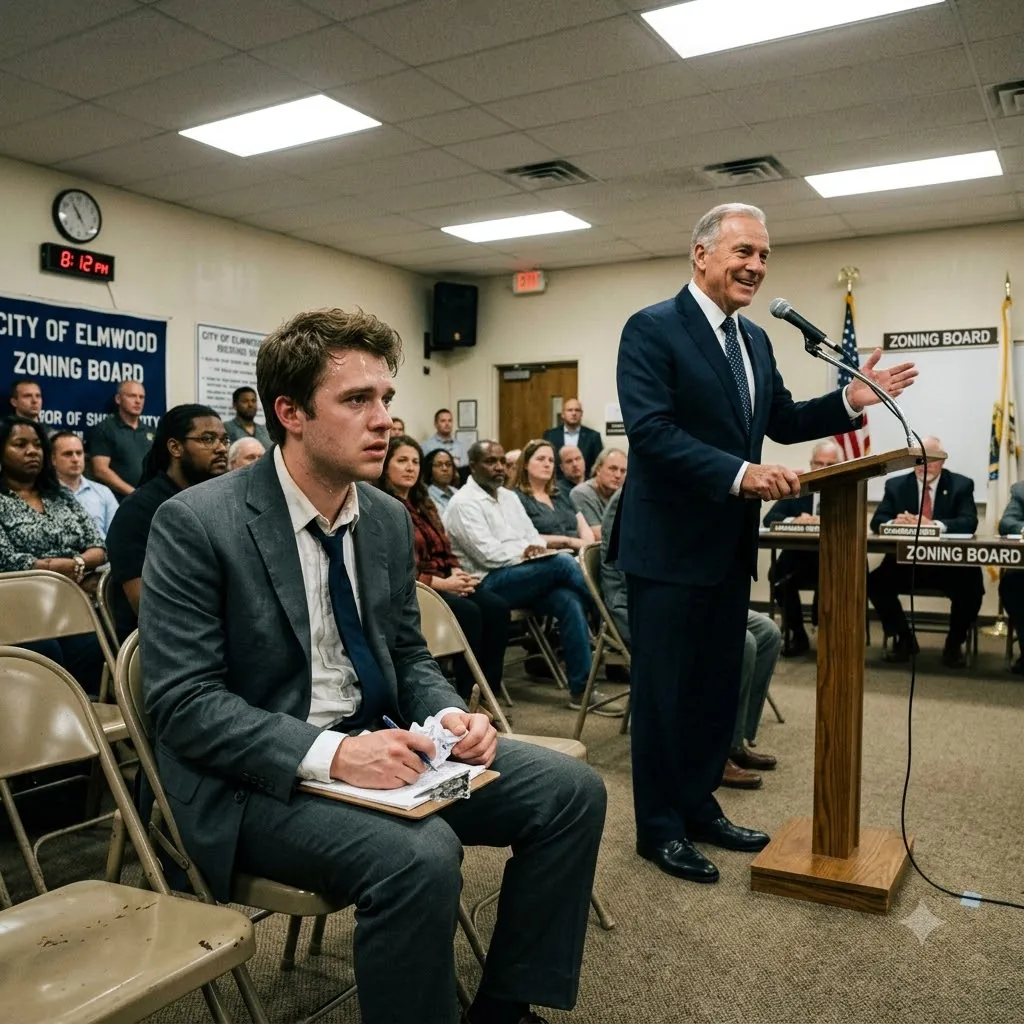
The fluorescent lights in the municipal building hummed with a suffocating, low-frequency buzz. Leo sat in a rigid metal folding chair in the second row, feeling a bead of sweat trace a slow line down his spine beneath his wool suit jacket. At the podium at the front of the windowless room, Pastor David adjusted the microphone. The zoning board members, seated behind a long curve of faux-wood laminate, leaned forward in unison. David had that effect on people. He spoke like a gentle shepherd guiding a lost flock, not a man trying to pave over a neighborhood fixture to build a private parking structure.
“True compassion requires hard choices,” Pastor David said, his voice a rich baritone that filled the sterile room. He gestured to the projector screen behind him, which displayed a stark photograph of the Eastside Community Center. The image highlighted the crumbling brickwork on the south wall and the fading paint of the street mural, carefully framed to exclude the vibrant garden in the back. “We cannot confuse maintenance with care. By allowing this deteriorating structure to stand, we are not sheltering the vulnerable. We are fostering an enabling environment. We are telling our unhoused neighbors and our at-risk population that this broken shell is all they deserve.”
A murmur of agreement rippled through the front row of church elders. The zoning board chairwoman, a stern woman in a gray blazer, nodded slowly, her pen tapping a thoughtful rhythm on her notepad. Leo swallowed hard. The knot of his tie felt like a wire tightening around his throat. He stared down at the glossy folder resting on his knees. It contained the architectural renderings of the proposed church expansion-a sprawling, multi-level parking garage designed to accommodate the growing Sunday mega-congregation.
David paced a tight circle around the podium, looking every bit the modern, progressive leader in his tailored navy suit and crisp white shirt without a tie. “Our faith calls us to heal,” David continued. “It calls us to provide real solutions. This proposed redevelopment is not about pavement. It is about clearing away the decay to make room for our new outreach initiatives. The current community center, while once a noble endeavor, has become a hazard. It is a magnet for loitering, a liability for the city, and a disservice to the very people it claims to help.”
Leo squeezed his hands together until his knuckles turned white. He forced his breathing to remain steady and shallow. He was David’s right-hand man, the newly appointed director of community relations for the congregation. His job was to sit in this folding chair, look professional, and provide the silent, institutional backing that David’s speeches required. He was the visual proof of the church’s youthful, community-focused rebrand.
On the screen, David advanced the slide. A sleek, sun-drenched digital rendering of the new parking lot appeared, complete with manicured planter boxes and a small bronze plaque dedicating the space to local renewal. The board members exchanged approving glances. They were being handed a politically perfect narrative. They could approve the demolition of a public asset and sell it to their constituents as an act of municipal mercy.
Leo looked at the digital rendering and felt a sickening drop in his stomach. The glossy image completely erased the side doors of the center. Those were the same side doors where he had dropped off three boxes of winter coats just hours prior. They were the doors that unlocked every afternoon to let in dozens of local teenagers who had nowhere else to go when the school bells rang. Leo pushed the thought down, locking his jaw. He had spent eight months cultivating his position within David’s inner circle. He had worn the suits, attended the endless strategic planning meetings, and nodded along to the corporate doublespeak. He just had to sit through this final hearing, secure the zoning approval, and maintain his flawless cover. Once the project moved to the next phase, he would have the access he needed.
“We must be brave enough to dismantle the old,” David said, bringing his hands together in a posture of humble pleading. “We must remove these enabling environments to truly care for our city. But you do not have to take my word for it.”
The chairwoman looked up, pausing her note-taking. The room fell perfectly, heavily silent.
David turned away from the zoning board. He looked past the front row of elders and locked eyes directly with Leo. A warm, practiced smile spread across the pastor’s face.
“My associate director, Leo, has been doing extensive fieldwork in this exact neighborhood,” David said, his voice projecting effortlessly to the back of the room. “He has seen the blight firsthand. He knows the danger that building poses to the local youth better than anyone.”
Leo froze, the air in his lungs vanishing.
“Leo,” David said, extending a hand toward the podium. “Come share your testimony with the board.”
Every head in the room swiveled to face the second row. The chairwoman adjusted her microphone and instructed Leo to step forward and state his full name for the public record.
The fluorescent lights in the municipal building hummed with a suffocating, low-frequency buzz. Leo sat in a rigid metal folding chair in the second row, feeling a bead of sweat trace a slow line down his spine beneath his wool suit jacket. At the podium at the front of the windowless room, Pastor David adjusted the microphone. The zoning board members, seated behind a long curve of faux-wood laminate, leaned forward in unison. David had that effect on people. He spoke like a gentle shepherd guiding a lost flock, not a man trying to pave over a neighborhood fixture to build a private parking structure.
“True compassion requires hard choices,” Pastor David said, his voice a rich baritone that filled the sterile room. He gestured to the projector screen behind him, which displayed a stark photograph of the Eastside Community Center. The image highlighted the crumbling brickwork on the south wall and the fading paint of the street mural, carefully framed to exclude the vibrant garden in the back. “We cannot confuse maintenance with care. By allowing this deteriorating structure to stand, we are not sheltering the vulnerable. We are fostering an enabling environment. We are telling our unhoused neighbors and our at-risk population that this broken shell is all they deserve.”
A murmur of agreement rippled through the front row of church elders. The zoning board chairwoman, a stern woman in a gray blazer, nodded slowly, her pen tapping a thoughtful rhythm on her notepad. Leo swallowed hard. The knot of his tie felt like a wire tightening around his throat. He stared down at the glossy folder resting on his knees. It contained the architectural renderings of the proposed church expansion-a sprawling, multi-level parking garage designed to accommodate the growing Sunday mega-congregation.
David paced a tight circle around the podium, looking every bit the modern, progressive leader in his tailored navy suit and crisp white shirt without a tie. “Our faith calls us to heal,” David continued. “It calls us to provide real solutions. This proposed redevelopment is not about pavement. It is about clearing away the decay to make room for our new outreach initiatives. The current community center, while once a noble endeavor, has become a hazard. It is a magnet for loitering, a liability for the city, and a disservice to the very people it claims to help.”
Leo squeezed his hands together until his knuckles turned white. He forced his breathing to remain steady and shallow. He was David’s right-hand man, the newly appointed director of community relations for the congregation. His job was to sit in this folding chair, look professional, and provide the silent, institutional backing that David’s speeches required. He was the visual proof of the church’s youthful, community-focused rebrand.
On the screen, David advanced the slide. A sleek, sun-drenched digital rendering of the new parking lot appeared, complete with manicured planter boxes and a small bronze plaque dedicating the space to local renewal. The board members exchanged approving glances. They were being handed a politically perfect narrative. They could approve the demolition of a public asset and sell it to their constituents as an act of municipal mercy.
Leo looked at the digital rendering and felt a sickening drop in his stomach. The glossy image completely erased the side doors of the center. Those were the same side doors where he had dropped off three boxes of winter coats just hours prior. They were the doors that unlocked every afternoon to let in dozens of local teenagers who had nowhere else to go when the school bells rang. Leo pushed the thought down, locking his jaw. He had spent eight months cultivating his position within David’s inner circle. He had worn the suits, attended the endless strategic planning meetings, and nodded along to the corporate doublespeak. He just had to sit through this final hearing, secure the zoning approval, and maintain his flawless cover. Once the project moved to the next phase, he would have the access he needed.
“We must be brave enough to dismantle the old,” David said, bringing his hands together in a posture of humble pleading. “We must remove these enabling environments to truly care for our city. But you do not have to take my word for it.”
The chairwoman looked up, pausing her note-taking. The room fell perfectly, heavily silent.
David turned away from the zoning board. He looked past the front row of elders and locked eyes directly with Leo. A warm, practiced smile spread across the pastor’s face.
“My associate director, Leo, has been doing extensive fieldwork in this exact neighborhood,” David said, his voice projecting effortlessly to the back of the room. “He has seen the blight firsthand. He knows the danger that building poses to the local youth better than anyone.”
Leo froze, the air in his lungs vanishing.
“Leo,” David said, extending a hand toward the podium. “Come share your testimony with the board.”
Every head in the room swiveled to face the second row. The chairwoman adjusted her microphone and instructed Leo to step forward and state his full name for the public record.