Story code: ST-001240
Part 1: The Misfiled Link
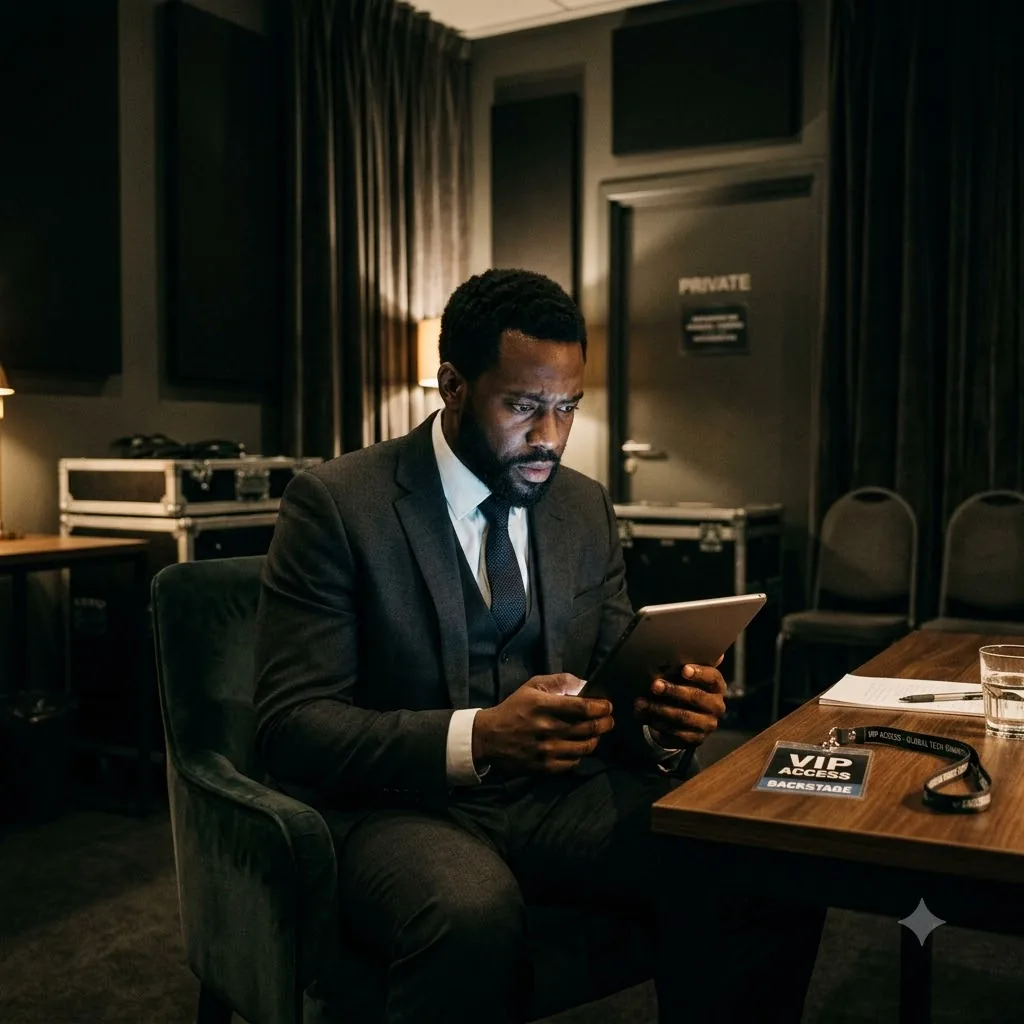
The countdown clock on the wall of the VIP greenroom showed eight minutes to zero, bathing the soundproofed walls in a harsh red glare. Marcus sat alone on the white leather sofa, dragging his index finger down the cracked screen of a shared staging iPad. He had opened the generic email app to check the slide deck sync, only to find a misfiled DocuSign link sitting at the top of the unread pile.
The subject line read Project Phoenix Restructuring Final Signatures, sent from David’s private legal counsel to the production staging account by mistake. Marcus tapped the link. The PDF loaded, filling the screen with fifty pages of dense corporate bylaws. His eyes locked onto Schedule B. His name was there, right next to a block of text detailing the new share classes. Class A for David. Class B for the new investors. Class F for Marcus. The definitions section outlined it in clinical, inescapable terms. Class F shares carried zero voting rights and a liquidation preference that placed him dead last, behind even the seed investors they had bought out a year ago. A cold weight dropped into his stomach, freezing the blood in his veins. The equity he had bled for over three years, the forty percent stake he had secured when they built the core algorithm in David’s garage, had been diluted to less than two percent through a shell-company maneuver executed three weeks prior.
The silence in the greenroom felt heavy, pressing against his eardrums. Outside those thick mahogany doors, two thousand people were taking their seats in the main auditorium. The Series C keynote was the defining moment for their platform. David had spent the entire morning rehearsing his opening remarks, insisting that Marcus come out halfway through for a dedicated segment. David had specifically requested that Marcus acknowledge his mentorship, to tell the crowd how David took a chance on a brilliant but raw engineer and turned him into a co-founder. Marcus swallowed hard, tasting bile at the back of his throat. He scrolled further down the document. The signatures at the bottom were already executed in bold blue ink. David’s familiar, aggressive scrawl slashed across the primary authorization line. The board had approved it. The new venture capitalists had signed off. The document was dated the day before David took him out for an expensive steak dinner to celebrate closing the round.
Marcus stared at the digital timestamp on the signature. He recalled the exact moment at the restaurant when David had raised a glass of scotch, looking him dead in the eye, calling him a brother. The physical sensation of betrayal manifested as a sharp, localized pain behind his ribs. His hands began to shake. He placed the iPad flat on the glass coffee table to steady the screen, leaning over it to read the final clauses. Section 4.2 outlined a vesting cliff reset, tied to the new Class F shares. Even his pathetic two percent was no longer his. He would have to earn it back over another four years, under conditions that allowed David to terminate him without cause and reclaim everything. It was a flawless, surgical execution of corporate theft, disguised as a standard restructuring protocol.
The red LED clock on the wall ticked down to six minutes. Marcus closed his eyes, focusing on the rhythm of his breathing. The air conditioning hummed through the vents, a low, mechanical drone that did nothing to drown out the rushing sound in his ears. He needed a glass of water, but his legs felt disconnected from his torso. He looked back at the iPad. The tab was still open. The evidence was right there, sitting in plain text, completely unprotected because David’s assistant had mistakenly forwarded the legal bundle to the production team’s shared device instead of David’s secure tablet. The sheer arrogance of the error made the betrayal sting even more. David had not even bothered to cover his tracks perfectly, assuming Marcus would simply sign whatever standardized employee agreement they slid in front of him next week.
Five minutes. The stage manager would be knocking soon. Marcus had to decide his next move. He could confront David right now, blow up the keynote, and let the investors watch their leadership team tear itself apart on day one. He could walk out the back door and call a lawyer. Or he could walk out under the bright stadium lights, smile at the crowd, and play the obedient protégé while he plotted a way to rip his life’s work back from the man who stole it. The options spun in his head, a chaotic blur of rage and calculation.
The brass handle of the greenroom door suddenly clicked and depressed. The heavy wood swung open, spilling the deafening roar of the auditorium crowd into the quiet space. David stood in the doorway, practically vibrating with adrenaline in his tailored navy suit. He did not look at the iPad resting on the coffee table. He clapped his hands together, pointing a finger directly at Marcus.
“Let’s go make history, kid. They are waiting for us.”
The countdown clock on the wall of the VIP greenroom showed eight minutes to zero, bathing the soundproofed walls in a harsh red glare. Marcus sat alone on the white leather sofa, dragging his index finger down the cracked screen of a shared staging iPad. He had opened the generic email app to check the slide deck sync, only to find a misfiled DocuSign link sitting at the top of the unread pile.
The subject line read Project Phoenix Restructuring Final Signatures, sent from David’s private legal counsel to the production staging account by mistake. Marcus tapped the link. The PDF loaded, filling the screen with fifty pages of dense corporate bylaws. His eyes locked onto Schedule B. His name was there, right next to a block of text detailing the new share classes. Class A for David. Class B for the new investors. Class F for Marcus. The definitions section outlined it in clinical, inescapable terms. Class F shares carried zero voting rights and a liquidation preference that placed him dead last, behind even the seed investors they had bought out a year ago. A cold weight dropped into his stomach, freezing the blood in his veins. The equity he had bled for over three years, the forty percent stake he had secured when they built the core algorithm in David’s garage, had been diluted to less than two percent through a shell-company maneuver executed three weeks prior.
The silence in the greenroom felt heavy, pressing against his eardrums. Outside those thick mahogany doors, two thousand people were taking their seats in the main auditorium. The Series C keynote was the defining moment for their platform. David had spent the entire morning rehearsing his opening remarks, insisting that Marcus come out halfway through for a dedicated segment. David had specifically requested that Marcus acknowledge his mentorship, to tell the crowd how David took a chance on a brilliant but raw engineer and turned him into a co-founder. Marcus swallowed hard, tasting bile at the back of his throat. He scrolled further down the document. The signatures at the bottom were already executed in bold blue ink. David’s familiar, aggressive scrawl slashed across the primary authorization line. The board had approved it. The new venture capitalists had signed off. The document was dated the day before David took him out for an expensive steak dinner to celebrate closing the round.
Marcus stared at the digital timestamp on the signature. He recalled the exact moment at the restaurant when David had raised a glass of scotch, looking him dead in the eye, calling him a brother. The physical sensation of betrayal manifested as a sharp, localized pain behind his ribs. His hands began to shake. He placed the iPad flat on the glass coffee table to steady the screen, leaning over it to read the final clauses. Section 4.2 outlined a vesting cliff reset, tied to the new Class F shares. Even his pathetic two percent was no longer his. He would have to earn it back over another four years, under conditions that allowed David to terminate him without cause and reclaim everything. It was a flawless, surgical execution of corporate theft, disguised as a standard restructuring protocol.
The red LED clock on the wall ticked down to six minutes. Marcus closed his eyes, focusing on the rhythm of his breathing. The air conditioning hummed through the vents, a low, mechanical drone that did nothing to drown out the rushing sound in his ears. He needed a glass of water, but his legs felt disconnected from his torso. He looked back at the iPad. The tab was still open. The evidence was right there, sitting in plain text, completely unprotected because David’s assistant had mistakenly forwarded the legal bundle to the production team’s shared device instead of David’s secure tablet. The sheer arrogance of the error made the betrayal sting even more. David had not even bothered to cover his tracks perfectly, assuming Marcus would simply sign whatever standardized employee agreement they slid in front of him next week.
Five minutes. The stage manager would be knocking soon. Marcus had to decide his next move. He could confront David right now, blow up the keynote, and let the investors watch their leadership team tear itself apart on day one. He could walk out the back door and call a lawyer. Or he could walk out under the bright stadium lights, smile at the crowd, and play the obedient protégé while he plotted a way to rip his life’s work back from the man who stole it. The options spun in his head, a chaotic blur of rage and calculation.
The brass handle of the greenroom door suddenly clicked and depressed. The heavy wood swung open, spilling the deafening roar of the auditorium crowd into the quiet space. David stood in the doorway, practically vibrating with adrenaline in his tailored navy suit. He did not look at the iPad resting on the coffee table. He clapped his hands together, pointing a finger directly at Marcus.
“Let’s go make history, kid. They are waiting for us.”