Story code: ST-001267
Part 1: The Math of Dignity
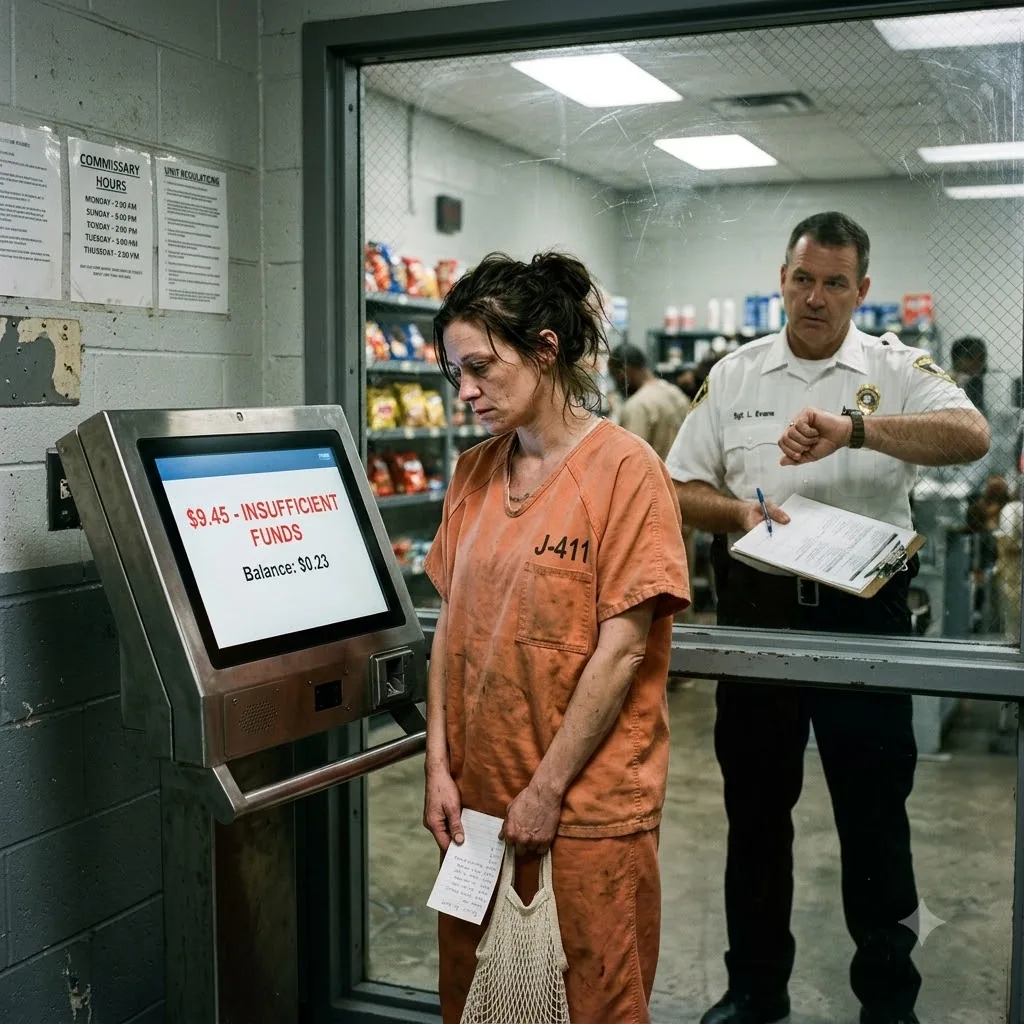
The commissary kiosk screen glared back with a solid block of neon red text reading TRANSACTION DECLINED, INSUFFICIENT FUNDS. Elena stared at the digital display, her thumb hovering over the greasy plastic keypad while the machine beeped its flat, indifferent rejection into the crowded rec room. The math did not make sense. Yesterday, the cardboard box of store-brand tampons was four dollars and twenty cents. Today, the pixelated numbers on the screen demanded nine dollars and forty-five cents. She pressed the refresh button, hoping it was a system glitch. The red bar blinked, holding steady at the new price. A five-dollar overnight markup authorized by a commissary manager who knew exactly when the women’s block received their monthly hygiene allotments.
Elena did the calculation in her head, the numbers grinding against her exhaustion. She made twelve cents an hour scrubbing the stainless steel vats in the kitchen. At twelve cents an hour, nine dollars and forty-five cents meant nearly eighty hours of labor. Two solid weeks of breathing industrial bleach, hauling boiling water, and scraping burnt oatmeal out of fifty-gallon drums, just to afford basic cotton. Her current balance sat at six dollars and twelve cents. She was three dollars and thirty-three cents short.
She tapped the screen again, trying to select a smaller quantity. The system only sold the bulk box. A line was forming behind her, the shuffle of canvas slip-ons and the impatient shifting of weight echoing on the concrete floor. She felt the heavy, damp ache in her lower abdomen, a sharp reminder that she did not have time to wait until the next payday. The dull pain radiated down her thighs. She had stuffed her underwear with folded toilet paper taken from the communal stall, but the scratchy, single-ply sheets were already failing.
The kiosk fan whirred, blowing warm, dusty air against her face. She looked at the item number again. 4402. Store-brand tampons, unscented. The commissary manager, a thick-necked man named Miller who watched the security feeds from a climate-controlled office, had timed this perfectly. He knew the state-issued pads were chronically out of stock. He knew the delivery truck had been delayed by the ice storm upstate. He held a monopoly on basic human dignity, and he was charging double for it.
Elena pressed the cancel button, but the screen hung, frozen on her account summary. She stared at the numbers as if sheer willpower could transpose them. Even if she had the money, buying them meant zero left for the ibuprofen she needed for her aching back, and zero for the instant coffee that kept her awake during the grueling kitchen night shift. But she could not even make that choice. She was entirely locked out of the transaction.
Someone cleared their throat behind her, the sound thick with annoyance. The line was growing restless, a dangerous shift in the block’s volatile morning energy. Elena gripped the edges of the kiosk. The cold metal grounded her slightly. She considered stealing from another inmate’s locker, a thought that brought a sudden wave of nausea. Theft on Block D meant a severe beating in the laundry room, minimum. She considered asking the guards for an emergency medical supply. That required filling out a blue slip, waiting three days for the nurse’s approval, and enduring a public lecture while standing at the guard station.
The pain flared again, sharp and localized. She shifted her stance, feeling the dampness spread against the rough cotton of her uniform trousers. If it bled through, the guards would notice during the afternoon count. They would write her up for a uniform violation. A uniform violation meant losing her good behavior time. Losing her good behavior time meant delaying her parole hearing. The entire trajectory of her freedom was currently hinging on a three-dollar shortfall at a broken machine.
She reached into her pocket, touching the frayed edges of her ID card. She needed a loan. Debt in this facility was never measured in dollars. Debt was measured in favors, in diverted packages, in holding contraband during a shakedown, in looking the other way during violence. She had spent three years keeping her head down, talking to no one, doing her kitchen shifts, and reading dog-eared paperbacks in her bunk. She had twenty months left. Twenty months of perfect isolation to secure her release.
The screen timed out, flashing a bright yellow warning that her session was about to expire. Ten seconds. Nine. She placed her palm flat against the monitor. There was no way out of this math. Twelve cents an hour could not beat nine dollars and forty-five cents.
A hand reached over her right shoulder. The movement was fast, deliberate, and entirely silent until a fresh plastic ID card slid perfectly into the machine’s card reader. The kiosk beeped cheerfully, reading the magnetic stripe and bypassing her locked screen.
The low, rasping voice right beside her ear told her not to worry about the math, while Elena froze, her eyes dropping to the hand still resting on the metal console to stare at the unmistakable, jagged black ink of the Syndicate crown tattooed across the knuckles.
The commissary kiosk screen glared back with a solid block of neon red text reading TRANSACTION DECLINED, INSUFFICIENT FUNDS. Elena stared at the digital display, her thumb hovering over the greasy plastic keypad while the machine beeped its flat, indifferent rejection into the crowded rec room. The math did not make sense. Yesterday, the cardboard box of store-brand tampons was four dollars and twenty cents. Today, the pixelated numbers on the screen demanded nine dollars and forty-five cents. She pressed the refresh button, hoping it was a system glitch. The red bar blinked, holding steady at the new price. A five-dollar overnight markup authorized by a commissary manager who knew exactly when the women’s block received their monthly hygiene allotments.
Elena did the calculation in her head, the numbers grinding against her exhaustion. She made twelve cents an hour scrubbing the stainless steel vats in the kitchen. At twelve cents an hour, nine dollars and forty-five cents meant nearly eighty hours of labor. Two solid weeks of breathing industrial bleach, hauling boiling water, and scraping burnt oatmeal out of fifty-gallon drums, just to afford basic cotton. Her current balance sat at six dollars and twelve cents. She was three dollars and thirty-three cents short.
She tapped the screen again, trying to select a smaller quantity. The system only sold the bulk box. A line was forming behind her, the shuffle of canvas slip-ons and the impatient shifting of weight echoing on the concrete floor. She felt the heavy, damp ache in her lower abdomen, a sharp reminder that she did not have time to wait until the next payday. The dull pain radiated down her thighs. She had stuffed her underwear with folded toilet paper taken from the communal stall, but the scratchy, single-ply sheets were already failing.
The kiosk fan whirred, blowing warm, dusty air against her face. She looked at the item number again. 4402. Store-brand tampons, unscented. The commissary manager, a thick-necked man named Miller who watched the security feeds from a climate-controlled office, had timed this perfectly. He knew the state-issued pads were chronically out of stock. He knew the delivery truck had been delayed by the ice storm upstate. He held a monopoly on basic human dignity, and he was charging double for it.
Elena pressed the cancel button, but the screen hung, frozen on her account summary. She stared at the numbers as if sheer willpower could transpose them. Even if she had the money, buying them meant zero left for the ibuprofen she needed for her aching back, and zero for the instant coffee that kept her awake during the grueling kitchen night shift. But she could not even make that choice. She was entirely locked out of the transaction.
Someone cleared their throat behind her, the sound thick with annoyance. The line was growing restless, a dangerous shift in the block’s volatile morning energy. Elena gripped the edges of the kiosk. The cold metal grounded her slightly. She considered stealing from another inmate’s locker, a thought that brought a sudden wave of nausea. Theft on Block D meant a severe beating in the laundry room, minimum. She considered asking the guards for an emergency medical supply. That required filling out a blue slip, waiting three days for the nurse’s approval, and enduring a public lecture while standing at the guard station.
The pain flared again, sharp and localized. She shifted her stance, feeling the dampness spread against the rough cotton of her uniform trousers. If it bled through, the guards would notice during the afternoon count. They would write her up for a uniform violation. A uniform violation meant losing her good behavior time. Losing her good behavior time meant delaying her parole hearing. The entire trajectory of her freedom was currently hinging on a three-dollar shortfall at a broken machine.
She reached into her pocket, touching the frayed edges of her ID card. She needed a loan. Debt in this facility was never measured in dollars. Debt was measured in favors, in diverted packages, in holding contraband during a shakedown, in looking the other way during violence. She had spent three years keeping her head down, talking to no one, doing her kitchen shifts, and reading dog-eared paperbacks in her bunk. She had twenty months left. Twenty months of perfect isolation to secure her release.
The screen timed out, flashing a bright yellow warning that her session was about to expire. Ten seconds. Nine. She placed her palm flat against the monitor. There was no way out of this math. Twelve cents an hour could not beat nine dollars and forty-five cents.
A hand reached over her right shoulder. The movement was fast, deliberate, and entirely silent until a fresh plastic ID card slid perfectly into the machine’s card reader. The kiosk beeped cheerfully, reading the magnetic stripe and bypassing her locked screen.
The low, rasping voice right beside her ear told her not to worry about the math, while Elena froze, her eyes dropping to the hand still resting on the metal console to stare at the unmistakable, jagged black ink of the Syndicate crown tattooed across the knuckles.