Story code: ST-001307
Part 1: The Exclusion Clause
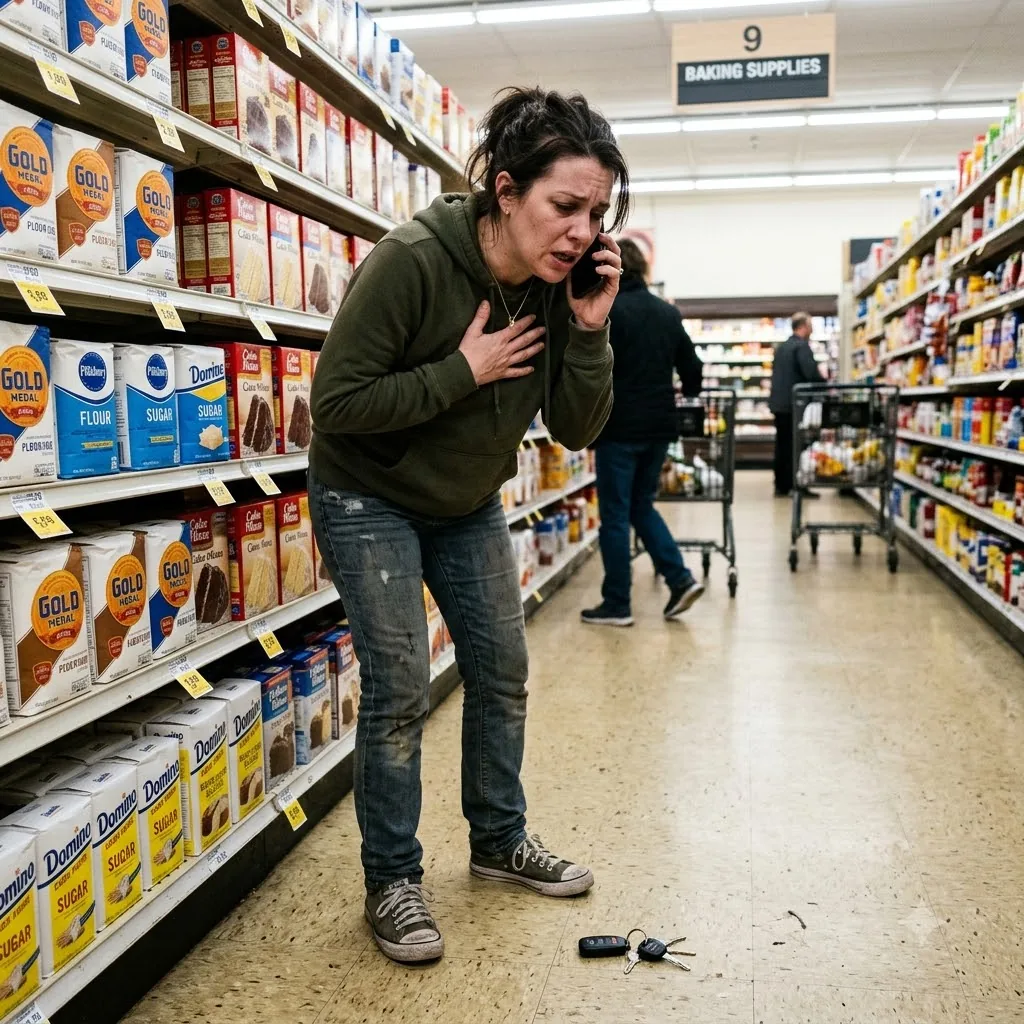
Sarah pressed the phone so hard against her ear that the plastic casing dug a painful ridge into her cartilage, desperate to hear the insurance adjuster over the piped-in acoustic pop music of the grocery store baking aisle. The man on the other end of the line was using a tone of practiced, weaponized boredom to explain that the charred remains of her life did not qualify for replacement. He cited section four, subsection B of her policy, his voice a steady drone that made the fluorescent lights above seem to pulse in time with her accelerating heartbeat.
She stared at a pristine bag of all-purpose flour on the shelf at eye level. A fine dusting of white powder coated the blue metal racking, perfectly mundane and entirely disconnected from the smell of ash that still seemed stuck in the back of her throat. The adjuster, who had introduced himself as Greg, continued reading from a script designed to dismantle her future without assuming any corporate liability. He stated that because the electrical fault had originated in the unpermitted sunroom addition, the resulting blaze that consumed her entire three-bedroom house was classified as an excluded event. It did not matter that the addition had been built by the previous owners three decades ago, or that the city had signed off on the purchase.
Sarah tried to draw a breath, but her lungs refused to expand past a shallow, rigid flutter. She gripped the edge of the shelving unit with her free hand, her knuckles turning bone-white. The metal was cold, but her palm was slick with a sudden, clammy sweat. Greg informed her that the company would be issuing a formal denial of claim letter by the end of the business week, effectively leaving her with a six-figure mortgage on a pile of toxic rubble and melted siding.
The financial devastation hit her not as a concept, but as a physical blow to the sternum. Black spots danced at the edges of her vision, swarming over the bags of granulated sugar and the neat rows of semi-sweet chocolate chips. Her knees lost their structural integrity, wobbling dangerously. She leaned heavily against the shelf, her shoulder grazing a display of brightly colored birthday candles. The primary colors of the packaging blurred into a sickening, continuous smear.
She told Greg he had to be looking at the wrong file. She pleaded with him to review the inspection report from when she bought the house, her voice cracking, stripping away any professional dignity she had maintained up until this moment. Greg simply reiterated the policy limits, his artificial calm acting like coarse sandpaper on her fraying nerves. He suggested she contact a debris removal service at her own expense to avoid municipal blight fines.
Her hand shook so violently that her car keys slipped from her grasp. They hit the linoleum floor with a sharp, heavy clatter that sounded like a gunshot in the sterile quiet of the aisle. The heavy brass keychain, shaped like a house she no longer owned, skidded under the bottom shelf, lodging itself next to a stray price tag.
Sarah stared down at the floor, the off-white tiles swimming in and out of focus. She needed to pick up the keys. She needed to end the call. She needed to breathe. Her chest felt wrapped in tightening iron bands, restricting her heart with every second that passed. The piped-in music faded into a high-pitched ringing in her ears, drowning out the last of Greg’s bureaucratic sign-off. She lowered the phone slowly, letting it hang by her side, the screen smeared with her sweat and makeup.
She bent at the waist, reaching blindly under the shelf for the keys, her fingers scraping against the dusty linoleum. Her breath came in short, jagged gasps now. The panic attack was fully setting in, locking her muscles, turning her blood to ice water, and sending waves of numbness down her arms. She squeezed her eyes shut, trying to force oxygen into her starving lungs, trying to visualize a calm place that no longer existed because it had been reduced to a charcoal footprint in the suburbs.
When she opened her eyes, she was looking at a pair of heavy work boots standing less than three feet away.
She had not heard anyone walk down the aisle. The ringing in her ears and the pounding of her own blood had masked any footsteps. Sarah stayed frozen in her half-crouched position, her hand still hovering over her dropped keys. She slowly tracked her gaze up from the work boots, past faded denim jeans, up to a dark green tactical belt. The man was just standing there, examining a box of fudge brownie mix in his hands with casual, relaxed interest, completely ignoring her ragged breathing and the tears spilling down her cheeks. He shifted his weight to inspect the nutritional information on the back of the box, the movement pulling his unzipped jacket open to reveal the matte black receiver and barrel of a rifle slung tightly across his chest.
Sarah pressed the phone so hard against her ear that the plastic casing dug a painful ridge into her cartilage, desperate to hear the insurance adjuster over the piped-in acoustic pop music of the grocery store baking aisle. The man on the other end of the line was using a tone of practiced, weaponized boredom to explain that the charred remains of her life did not qualify for replacement. He cited section four, subsection B of her policy, his voice a steady drone that made the fluorescent lights above seem to pulse in time with her accelerating heartbeat.
She stared at a pristine bag of all-purpose flour on the shelf at eye level. A fine dusting of white powder coated the blue metal racking, perfectly mundane and entirely disconnected from the smell of ash that still seemed stuck in the back of her throat. The adjuster, who had introduced himself as Greg, continued reading from a script designed to dismantle her future without assuming any corporate liability. He stated that because the electrical fault had originated in the unpermitted sunroom addition, the resulting blaze that consumed her entire three-bedroom house was classified as an excluded event. It did not matter that the addition had been built by the previous owners three decades ago, or that the city had signed off on the purchase.
Sarah tried to draw a breath, but her lungs refused to expand past a shallow, rigid flutter. She gripped the edge of the shelving unit with her free hand, her knuckles turning bone-white. The metal was cold, but her palm was slick with a sudden, clammy sweat. Greg informed her that the company would be issuing a formal denial of claim letter by the end of the business week, effectively leaving her with a six-figure mortgage on a pile of toxic rubble and melted siding.
The financial devastation hit her not as a concept, but as a physical blow to the sternum. Black spots danced at the edges of her vision, swarming over the bags of granulated sugar and the neat rows of semi-sweet chocolate chips. Her knees lost their structural integrity, wobbling dangerously. She leaned heavily against the shelf, her shoulder grazing a display of brightly colored birthday candles. The primary colors of the packaging blurred into a sickening, continuous smear.
She told Greg he had to be looking at the wrong file. She pleaded with him to review the inspection report from when she bought the house, her voice cracking, stripping away any professional dignity she had maintained up until this moment. Greg simply reiterated the policy limits, his artificial calm acting like coarse sandpaper on her fraying nerves. He suggested she contact a debris removal service at her own expense to avoid municipal blight fines.
Her hand shook so violently that her car keys slipped from her grasp. They hit the linoleum floor with a sharp, heavy clatter that sounded like a gunshot in the sterile quiet of the aisle. The heavy brass keychain, shaped like a house she no longer owned, skidded under the bottom shelf, lodging itself next to a stray price tag.
Sarah stared down at the floor, the off-white tiles swimming in and out of focus. She needed to pick up the keys. She needed to end the call. She needed to breathe. Her chest felt wrapped in tightening iron bands, restricting her heart with every second that passed. The piped-in music faded into a high-pitched ringing in her ears, drowning out the last of Greg’s bureaucratic sign-off. She lowered the phone slowly, letting it hang by her side, the screen smeared with her sweat and makeup.
She bent at the waist, reaching blindly under the shelf for the keys, her fingers scraping against the dusty linoleum. Her breath came in short, jagged gasps now. The panic attack was fully setting in, locking her muscles, turning her blood to ice water, and sending waves of numbness down her arms. She squeezed her eyes shut, trying to force oxygen into her starving lungs, trying to visualize a calm place that no longer existed because it had been reduced to a charcoal footprint in the suburbs.
When she opened her eyes, she was looking at a pair of heavy work boots standing less than three feet away.
She had not heard anyone walk down the aisle. The ringing in her ears and the pounding of her own blood had masked any footsteps. Sarah stayed frozen in her half-crouched position, her hand still hovering over her dropped keys. She slowly tracked her gaze up from the work boots, past faded denim jeans, up to a dark green tactical belt. The man was just standing there, examining a box of fudge brownie mix in his hands with casual, relaxed interest, completely ignoring her ragged breathing and the tears spilling down her cheeks. He shifted his weight to inspect the nutritional information on the back of the box, the movement pulling his unzipped jacket open to reveal the matte black receiver and barrel of a rifle slung tightly across his chest.