Story code: ST-001309
Part 1: The Broadcast
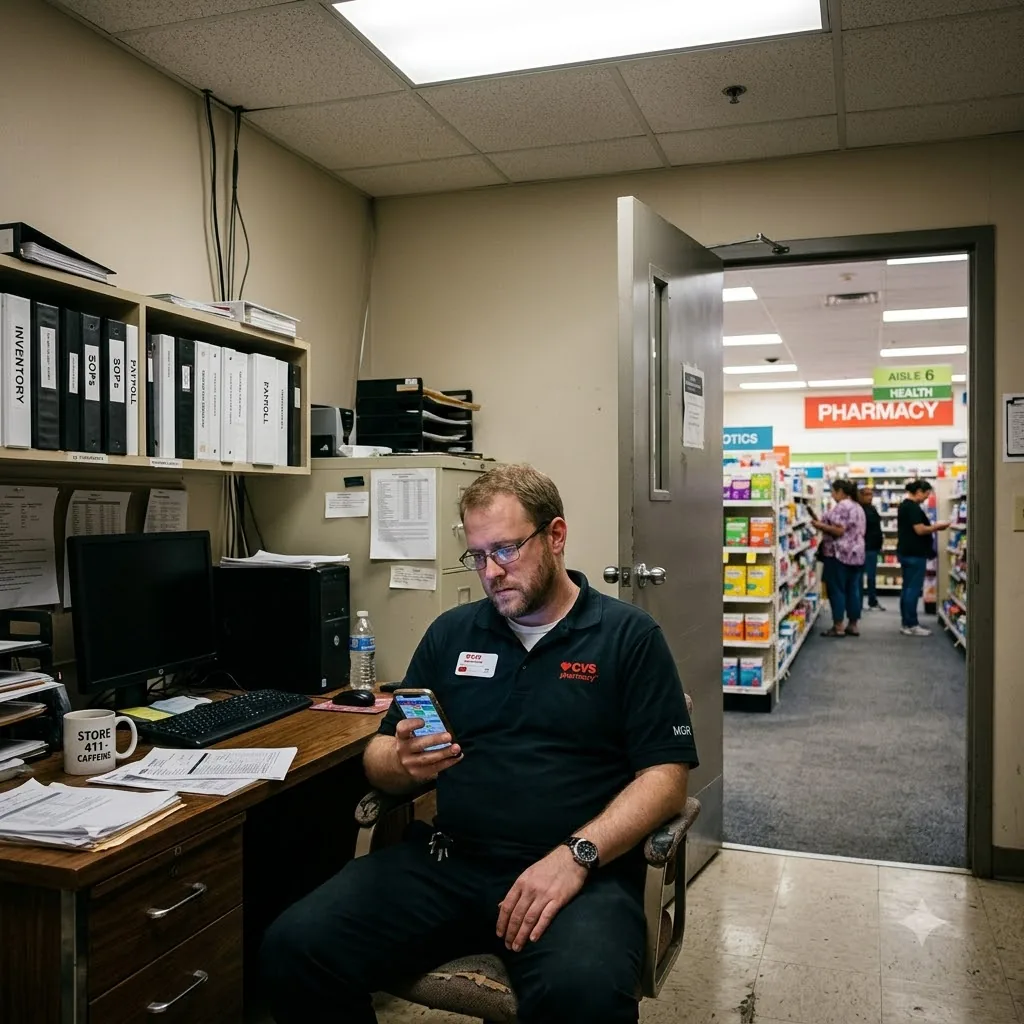
The fluorescent bulb above Marcus’s desk emitted a constant, high-pitched buzz that did nothing to mask the screaming from the sales floor. He sat perfectly still in his windowless manager’s office, staring at the bright white interface of the town’s community Facebook group on his phone. Fifty feet away, separated only by a hollow-core door and a row of seasonal shelving, a woman was tearing into a teenage cashier.
Her voice was jagged, echoing off the linoleum and steel fixtures. She slammed her hand flat against the checkout counter, a sound that cracked like a gunshot through the quiet suburban pharmacy. Marcus heard Tyler, his sixteen-year-old evening hire, stammering an apology. The woman did not care. She escalated, her words blurring into a relentless barrage of insults about the boy’s competence and intelligence. Corporate protocol required Marcus to intervene immediately, offer a gift card, and apologize for whatever slight had triggered the meltdown. He had done exactly that a hundred times before. Today, he kept his thumb hovering over the screen of his phone.
The “Oakridge Community Watch & Chat” page had thirty thousand active members. It was a digital town square that dictated local reputations, a place where people were praised or ruined by noon. Marcus watched the blinking red camera icon at the top of the feed. He was exhausted. He was tired of retail workers absorbing the rage of the general public without consequence. Through the door, the woman shouted that she was not leaving until she got exactly what she demanded. Tyler’s voice cracked in a plea for her to lower her volume. Marcus stood up. He pushed the heavy office door open just enough to slip through, creeping down the back hallway and positioning himself behind a massive cardboard display of discounted paper towels.
From here, he had a clear, unobstructed view of Register Two. The customer stood aggressively close to the plexiglass barrier. She wore an oversized dark coat, her back completely rigid, waving a fistful of crinkled paper at Tyler’s face. Tyler looked small, his shoulders hunched, his eyes darting toward the manager’s office hoping for a rescue. Marcus did not step forward to rescue him. Instead, he lifted his smartphone, framed the angry woman in the center of the screen, and pressed the button to start a live broadcast directly to the community group.
The screen briefly buffered before showing a live feed. Marcus held his breath, leaning his shoulder against the cardboard display to steady his hands. The viewer count at the top left of his screen ticked from zero to twelve, then to forty-five. Within seconds, hundreds of locals were tuning in. He typed a quick, silent caption with his thumb, labeling the broadcast as a real-time look at the abuse retail workers faced daily. He did not say a word out loud. He let the woman’s screeching speak for itself.
She swept her arm across the counter. A row of gum and mints cascaded onto the floor. Tyler flinched hard, backing into the cigarette case behind him. The comment section on Marcus’s phone exploded in real-time. Dozens of angry faces and red heart emojis floated up the screen. People were demanding to know the store location. They were calling the woman a monster. They wanted her identified, fired from her job, and banned from town. Marcus felt a cold, sharp spike of vindication. This was true accountability.
The woman grabbed her plastic shopping bags off the carousel with a violent jerk. She spun on her heel and marched toward the exit, shouting one final, muffled curse at the terrified teenager. Marcus tracked her with the phone, keeping her face in frame as she stormed past the security scanners. The automatic doors slid open, letting in a gust of cold air, and she was gone into the dark parking lot. Marcus tapped the red square to end the broadcast. The video immediately posted to the main feed with over two thousand live views.
He stepped out from behind the paper towel display, sliding the phone into his pocket. Tyler was still plastered against the back counter, his chest heaving, staring down at the mess on the floor. Marcus walked over to tell the boy he was safe now, to explain that the whole town had just taken his side. As he approached, he noticed something lying on the floor among the scattered packs of gum. It had fallen from the woman’s frantic grip when she snatched her bags. Tyler saw it at the same moment. The cashier knelt, picking up the small, rectangular object. He turned it over in his hands. All the remaining color drained from Tyler’s face. He slowly lifted his head, making direct eye contact with Marcus, and held the object out across the counter.
The fluorescent bulb above Marcus’s desk emitted a constant, high-pitched buzz that did nothing to mask the screaming from the sales floor. He sat perfectly still in his windowless manager’s office, staring at the bright white interface of the town’s community Facebook group on his phone. Fifty feet away, separated only by a hollow-core door and a row of seasonal shelving, a woman was tearing into a teenage cashier.
Her voice was jagged, echoing off the linoleum and steel fixtures. She slammed her hand flat against the checkout counter, a sound that cracked like a gunshot through the quiet suburban pharmacy. Marcus heard Tyler, his sixteen-year-old evening hire, stammering an apology. The woman did not care. She escalated, her words blurring into a relentless barrage of insults about the boy’s competence and intelligence. Corporate protocol required Marcus to intervene immediately, offer a gift card, and apologize for whatever slight had triggered the meltdown. He had done exactly that a hundred times before. Today, he kept his thumb hovering over the screen of his phone.
The “Oakridge Community Watch & Chat” page had thirty thousand active members. It was a digital town square that dictated local reputations, a place where people were praised or ruined by noon. Marcus watched the blinking red camera icon at the top of the feed. He was exhausted. He was tired of retail workers absorbing the rage of the general public without consequence. Through the door, the woman shouted that she was not leaving until she got exactly what she demanded. Tyler’s voice cracked in a plea for her to lower her volume. Marcus stood up. He pushed the heavy office door open just enough to slip through, creeping down the back hallway and positioning himself behind a massive cardboard display of discounted paper towels.
From here, he had a clear, unobstructed view of Register Two. The customer stood aggressively close to the plexiglass barrier. She wore an oversized dark coat, her back completely rigid, waving a fistful of crinkled paper at Tyler’s face. Tyler looked small, his shoulders hunched, his eyes darting toward the manager’s office hoping for a rescue. Marcus did not step forward to rescue him. Instead, he lifted his smartphone, framed the angry woman in the center of the screen, and pressed the button to start a live broadcast directly to the community group.
The screen briefly buffered before showing a live feed. Marcus held his breath, leaning his shoulder against the cardboard display to steady his hands. The viewer count at the top left of his screen ticked from zero to twelve, then to forty-five. Within seconds, hundreds of locals were tuning in. He typed a quick, silent caption with his thumb, labeling the broadcast as a real-time look at the abuse retail workers faced daily. He did not say a word out loud. He let the woman’s screeching speak for itself.
She swept her arm across the counter. A row of gum and mints cascaded onto the floor. Tyler flinched hard, backing into the cigarette case behind him. The comment section on Marcus’s phone exploded in real-time. Dozens of angry faces and red heart emojis floated up the screen. People were demanding to know the store location. They were calling the woman a monster. They wanted her identified, fired from her job, and banned from town. Marcus felt a cold, sharp spike of vindication. This was true accountability.
The woman grabbed her plastic shopping bags off the carousel with a violent jerk. She spun on her heel and marched toward the exit, shouting one final, muffled curse at the terrified teenager. Marcus tracked her with the phone, keeping her face in frame as she stormed past the security scanners. The automatic doors slid open, letting in a gust of cold air, and she was gone into the dark parking lot. Marcus tapped the red square to end the broadcast. The video immediately posted to the main feed with over two thousand live views.
He stepped out from behind the paper towel display, sliding the phone into his pocket. Tyler was still plastered against the back counter, his chest heaving, staring down at the mess on the floor. Marcus walked over to tell the boy he was safe now, to explain that the whole town had just taken his side. As he approached, he noticed something lying on the floor among the scattered packs of gum. It had fallen from the woman’s frantic grip when she snatched her bags. Tyler saw it at the same moment. The cashier knelt, picking up the small, rectangular object. He turned it over in his hands. All the remaining color drained from Tyler’s face. He slowly lifted his head, making direct eye contact with Marcus, and held the object out across the counter.