Story code: ST-001383
Part 1: The Thermal Signature
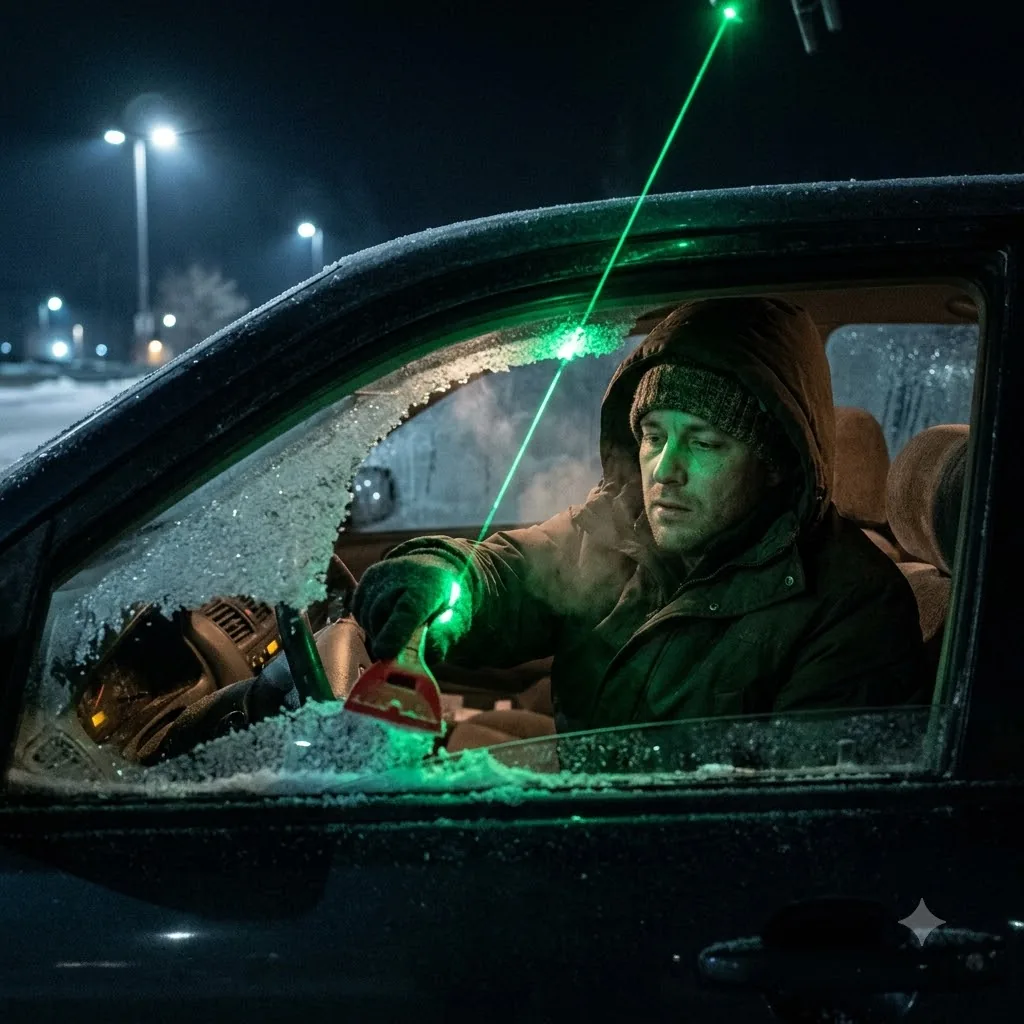
The ice coating the inside of the windshield was always the most brutal part of winter. Elias gripped the edge of a stiff, expired credit card, his knuckles raw and locked with cold, and dragged the plastic hard across the frosted glass. A dense shower of white shavings tumbled down onto the dashboard, dusting a stack of ungraded freshman essays like cheap, artificial snow. His breath plumed in the cramped dark of the Honda Civic, forming a thick fog of condensation that froze again almost the moment it touched the windows. He had slept in three thermal shirts, a wool sweater, and a heavy winter coat, but the deep, bone-rattling chill of the university’s Lot 9 still gnawed right down into his joints.
He chipped away just enough frost to carve a narrow peephole, giving himself a clear view of the glowing red numbers on the digital clock. Four in the morning. He had two more hours until the student union building unlocked its doors, which would allow him to slip inside, use the handicap stall to change his clothes, and wash his face in the sink before his eight o’clock lecture.
A blinding, clinical white light suddenly flooded the cabin.
Elias squeezed his eyes shut and threw his forearm over his face. The sudden, violent glare illuminated the tragic reality of his hidden life. It highlighted the cheap sleeping bag bunched around his waist, the crumpled thermal foil of fast-food wrappers on the floorboards, and the hanging rack of carefully dry-cleaned dress shirts in the backseat that maintained his professional illusion.
A low, mechanical hum vibrated directly against the roof of the car. The sound possessed a heavy, menacing frequency that rattled the loose change in the cup holder. Elias lowered his arm a fraction of an inch and peered out through the freshly scraped circle in the ice.
A quadcopter drone hovered less than two feet from the glass. Its sleek, ivory chassis bore the distinct blue crest of the university’s new automated security grid. The Provost had proudly announced the forty-million-dollar AI-driven Aegis system at the faculty convocation just last month, touting it as the ultimate, unbiased solution for a safe, modern campus.
A red laser grid erupted from the drone’s central optical array. It sliced effortlessly through the frosted glass, casting a sharp, geometric web across the interior of the Civic.
Elias froze completely. He pressed his spine into the reclined driver’s seat, holding his breath, desperately hoping the thermal sensors would glitch or mistake him for residual engine heat. The laser swept over the dashboard, illuminating the grading rubrics, the cracked plastic vents, and the worn credit card still gripped in his hand. Then the beam crawled up his chest and locked directly onto his face. The drone’s primary camera lens dilated with a distinct, clicking whir.
The machine had found him.
It dropped in altitude, hovering perfectly in front of the steering wheel. The red beam shifted downward, targeting the university parking decal affixed to the lower corner of the windshield. A sharp, synthesized chirp penetrated the cold glass. The system was actively cross-referencing the vehicle’s registration with the university employment database. Elias knew exactly what the algorithm was reading from the barcode. Vehicle owner: Elias Thorne. Status: Adjunct Professor, Department of English. Salary band: Tier 4, part-time, ineligible for benefits or housing stipends.
The red grid vanished for a second. For one brief, desperate moment, Elias thought the drone would log the vehicle as faculty and move on to patrol the perimeter.
Instead, the drone shifted its angle and a secondary scanner activated. This one bathed the cabin in a stark ultraviolet light. It mapped the contours of the sleeping bag. It mapped the heavy condensation on the interior windows. It mapped the unmistakable thermal signature of a human being occupying a stationary vehicle in a restricted lot between the midnight and morning sweeps.
The drone’s side-mounted speaker crackled to life. A sterile, artificial voice delivered a pre-recorded mandate about campus vagrancy ordinances. The sound was muffled by the frozen glass but remained completely devoid of empathy. The administration had designed the system to ruthlessly purge the campus of anything that damaged its luxury brand. An adjunct professor living in his car to survive on poverty-level wages was the ultimate aesthetic violation.
Elias lunged for his keys in the center console. He jammed the cold metal into the ignition and twisted. The engine turned over, coughed a pathetic plume of exhaust into the freezing air, and immediately died. The battery had drained to near empty. He pumped the gas pedal, twisting the key violently. The starter clicked in rapid, hollow succession.
The drone did not retreat. It elevated slightly, positioning itself to maintain a perfect, unobstructed view of his frantic movements through the scraped circle of glass. A blue indicator light on its underbelly began to flash in a rapid, rhythmic sequence. It was transmitting data. Raw, unfiltered video and thermal logs of his living conditions were shooting straight to the automated Human Resources server.
His phone vibrated violently against the plastic of the cup holder.
Elias let go of the keys. His hands shook as he picked up the device. The screen brightness stung his dark-adjusted eyes. A high-priority push notification had just populated on his lock screen, sent from the centralized HR dispatch algorithm. The subject line glared at him in bold, black text, citing a critical violation of the faculty moral turpitude and campus housing clauses. The drone’s blue light pulsed faster, syncing with a second, heavier vibration from his phone.
He swiped down with a numb thumb to read the body of the automated message.
*Effective immediately, your contract for the current academic term is terminated due to-*
A third, prolonged buzz from the phone blacked out the screen entirely as the central server revoked his campus network access, cutting the message off and plunging his device into an unauthorized lockout state.
The ice coating the inside of the windshield was always the most brutal part of winter. Elias gripped the edge of a stiff, expired credit card, his knuckles raw and locked with cold, and dragged the plastic hard across the frosted glass. A dense shower of white shavings tumbled down onto the dashboard, dusting a stack of ungraded freshman essays like cheap, artificial snow. His breath plumed in the cramped dark of the Honda Civic, forming a thick fog of condensation that froze again almost the moment it touched the windows. He had slept in three thermal shirts, a wool sweater, and a heavy winter coat, but the deep, bone-rattling chill of the university’s Lot 9 still gnawed right down into his joints.
He chipped away just enough frost to carve a narrow peephole, giving himself a clear view of the glowing red numbers on the digital clock. Four in the morning. He had two more hours until the student union building unlocked its doors, which would allow him to slip inside, use the handicap stall to change his clothes, and wash his face in the sink before his eight o’clock lecture.
A blinding, clinical white light suddenly flooded the cabin.
Elias squeezed his eyes shut and threw his forearm over his face. The sudden, violent glare illuminated the tragic reality of his hidden life. It highlighted the cheap sleeping bag bunched around his waist, the crumpled thermal foil of fast-food wrappers on the floorboards, and the hanging rack of carefully dry-cleaned dress shirts in the backseat that maintained his professional illusion.
A low, mechanical hum vibrated directly against the roof of the car. The sound possessed a heavy, menacing frequency that rattled the loose change in the cup holder. Elias lowered his arm a fraction of an inch and peered out through the freshly scraped circle in the ice.
A quadcopter drone hovered less than two feet from the glass. Its sleek, ivory chassis bore the distinct blue crest of the university’s new automated security grid. The Provost had proudly announced the forty-million-dollar AI-driven Aegis system at the faculty convocation just last month, touting it as the ultimate, unbiased solution for a safe, modern campus.
A red laser grid erupted from the drone’s central optical array. It sliced effortlessly through the frosted glass, casting a sharp, geometric web across the interior of the Civic.
Elias froze completely. He pressed his spine into the reclined driver’s seat, holding his breath, desperately hoping the thermal sensors would glitch or mistake him for residual engine heat. The laser swept over the dashboard, illuminating the grading rubrics, the cracked plastic vents, and the worn credit card still gripped in his hand. Then the beam crawled up his chest and locked directly onto his face. The drone’s primary camera lens dilated with a distinct, clicking whir.
The machine had found him.
It dropped in altitude, hovering perfectly in front of the steering wheel. The red beam shifted downward, targeting the university parking decal affixed to the lower corner of the windshield. A sharp, synthesized chirp penetrated the cold glass. The system was actively cross-referencing the vehicle’s registration with the university employment database. Elias knew exactly what the algorithm was reading from the barcode. Vehicle owner: Elias Thorne. Status: Adjunct Professor, Department of English. Salary band: Tier 4, part-time, ineligible for benefits or housing stipends.
The red grid vanished for a second. For one brief, desperate moment, Elias thought the drone would log the vehicle as faculty and move on to patrol the perimeter.
Instead, the drone shifted its angle and a secondary scanner activated. This one bathed the cabin in a stark ultraviolet light. It mapped the contours of the sleeping bag. It mapped the heavy condensation on the interior windows. It mapped the unmistakable thermal signature of a human being occupying a stationary vehicle in a restricted lot between the midnight and morning sweeps.
The drone’s side-mounted speaker crackled to life. A sterile, artificial voice delivered a pre-recorded mandate about campus vagrancy ordinances. The sound was muffled by the frozen glass but remained completely devoid of empathy. The administration had designed the system to ruthlessly purge the campus of anything that damaged its luxury brand. An adjunct professor living in his car to survive on poverty-level wages was the ultimate aesthetic violation.
Elias lunged for his keys in the center console. He jammed the cold metal into the ignition and twisted. The engine turned over, coughed a pathetic plume of exhaust into the freezing air, and immediately died. The battery had drained to near empty. He pumped the gas pedal, twisting the key violently. The starter clicked in rapid, hollow succession.
The drone did not retreat. It elevated slightly, positioning itself to maintain a perfect, unobstructed view of his frantic movements through the scraped circle of glass. A blue indicator light on its underbelly began to flash in a rapid, rhythmic sequence. It was transmitting data. Raw, unfiltered video and thermal logs of his living conditions were shooting straight to the automated Human Resources server.
His phone vibrated violently against the plastic of the cup holder.
Elias let go of the keys. His hands shook as he picked up the device. The screen brightness stung his dark-adjusted eyes. A high-priority push notification had just populated on his lock screen, sent from the centralized HR dispatch algorithm. The subject line glared at him in bold, black text, citing a critical violation of the faculty moral turpitude and campus housing clauses. The drone’s blue light pulsed faster, syncing with a second, heavier vibration from his phone.
He swiped down with a numb thumb to read the body of the automated message.
*Effective immediately, your contract for the current academic term is terminated due to-*
A third, prolonged buzz from the phone blacked out the screen entirely as the central server revoked his campus network access, cutting the message off and plunging his device into an unauthorized lockout state.