Story code: ST-001466
Part 1: The Barricade
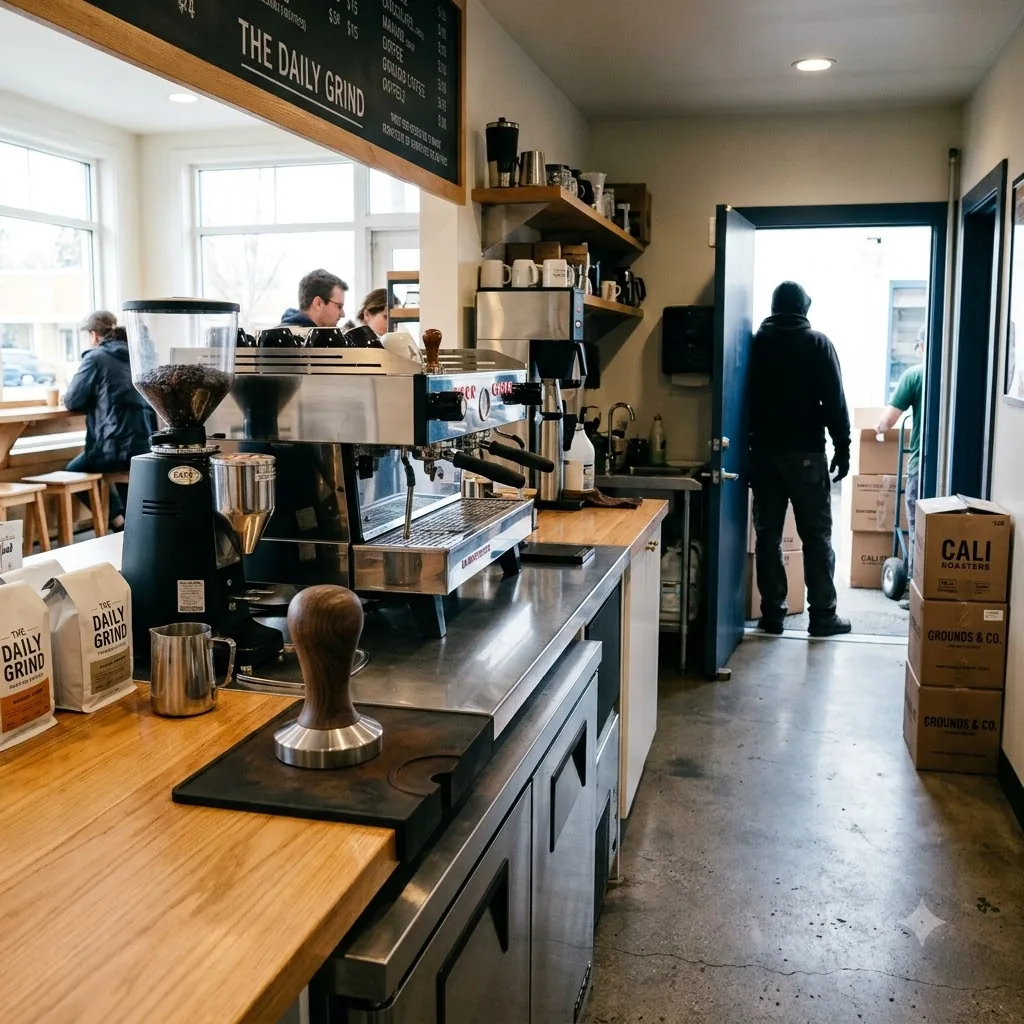
Arthur leveled the digital scale to exactly eighteen point zero grams of Ethiopian Yirgacheffe, letting the quiet friction of the whole beans ground him in the physical world. He swiped a microfiber cloth across the already-gleaming quartz countertop, erasing a faint water ring near the register. The heavy, tactile certainty of the stainless steel portafilter in his palm was exactly what his severance package had bought him. After ten years of mining invisible data and burying his conscience in predictive algorithms for a defense contractor, Arthur had purchased this quiet suburban coffee shop to exist solely in the tangible present. Water, heat, pressure, and time. No networks. No predictive models. Just the manual labor of serving morning commuters.
He locked the portafilter into the group head and flipped the mechanical switch. The espresso machine rumbled to life, dropping a dark, syrupy extraction into a ceramic demitasse. Arthur watched the crema form, perfectly thick and hazelnut-colored. The digital clock on the wall read four forty-five in the morning. His bakery delivery was due in exactly five minutes.
Arthur untied his canvas apron, leaving it draped over the espresso machine, and walked toward the back hallway. The ambient silence of the pre-dawn suburban street was absolute. His shop shared a commercial building with an oversized, chronically vacant retail unit next door, which meant he usually had the entire rear parking lot and loading dock to himself. He relished this isolation. He reached the heavy steel fire door at the end of the corridor, gripped the industrial handle, and pushed outward into the cold morning air.
He expected the familiar idling rumble of Hector’s diesel box truck backing up to the concrete dock. He expected the clatter of plastic pastry trays hitting the pavement.
Instead, Hector’s truck was parked sideways in the alley, fifty feet away, its hazard lights painting the brick walls with rhythmic flashes of amber. Hector stood beside the open cab, pointing a gloved finger toward Arthur’s loading dock.
Arthur stepped out onto the concrete. The shared alcove that provided the only access to his back door was completely obstructed.
A makeshift barricade of heavy galvanized steel fencing spanned the width of the concrete dock, bolted directly into the brickwork. Sitting atop a stack of uninstalled fence panels was a man in a thick Carhartt jacket and a high-visibility yellow vest. The man was casually eating an apple, his steel-toed boots resting on a pneumatic hammer drill. A thick coil of heavy-gauge chain sat in his lap.
Arthur marched toward the barricade, the cold biting through his flannel shirt. He told the man he was blocking a private commercial loading zone.
The man in the vest did not flinch. He tossed the apple core onto the asphalt, wiped his mouth with the back of a canvas-gloved hand, and tapped a laminated clipboard resting on the fence panels. He did not speak. He simply gestured to a newly erected sign zip-tied to the chain-link mesh.
The sign bore the official seal of the state Department of Health and Human Services.
Arthur looked past the barricade, tracing the line of the new fence. It extended outward from the vacant unit next door, completely annexing the shared loading space and cutting Arthur’s rear door off from the alley. The dusty windows of the neighboring unit, which had displayed faded leasing numbers just yesterday, were now entirely blacked out with heavy opaque film. Several other workers in matching vests were moving silently inside the dark interior, carrying crates of equipment that looked far too heavy to be standard office furniture.
Hector shouted from the idling truck, his voice echoing in the alleyway. He announced he was already behind schedule and could not wait for them to sort out a property dispute. Before Arthur could stop him, Hector unloaded four tall stacks of plastic pastry trays, dropping them unceremoniously onto the damp asphalt on the far side of the steel fence. Hector slammed the roll-up door of the box truck, climbed into the cab, and threw the vehicle in gear. The diesel engine roared as the truck sped away, leaving Arthur’s entire morning inventory sitting on the wet ground, completely inaccessible.
Arthur gripped the cold steel wire of the fence. He told the seated worker to unlock the access gate so he could retrieve his deliveries.
The worker picked up the heavy-gauge chain, looped it twice around the main structural poles of the barricade, and snapped a massive industrial padlock into place. The finality of the metallic click echoed in the quiet alcove. The worker then picked up his clipboard and walked away, disappearing into the blacked-out rear door of the new state clinic.
Arthur stood alone in the cold. He looked down at his pastries, ruined by the damp asphalt, and then up at the municipal permit taped to the inside of the neighboring glass door. The document listed a zoning variance code in bold black ink. It was a specific alphanumeric string Arthur recognized instantly from his previous life in defense analytics. He had spent years tracking that exact sequence of numbers through federal databases.
It was a classification code for a facility that required absolute, permanent containment.
Arthur reached into his pocket and pulled out his smartphone, breaking his strict rule about re-engaging with the digital grid. He typed the twelve-digit zoning permit number into a municipal records search, watching the loading bar crawl across the screen.
The database pulled up the architectural blueprints filed for the clinic next door, revealing a structural anomaly that made Arthur’s chest tighten.
The plans showed a reinforced concrete trench being excavated directly beneath the shared wall of his coffee shop.
Arthur leveled the digital scale to exactly eighteen point zero grams of Ethiopian Yirgacheffe, letting the quiet friction of the whole beans ground him in the physical world. He swiped a microfiber cloth across the already-gleaming quartz countertop, erasing a faint water ring near the register. The heavy, tactile certainty of the stainless steel portafilter in his palm was exactly what his severance package had bought him. After ten years of mining invisible data and burying his conscience in predictive algorithms for a defense contractor, Arthur had purchased this quiet suburban coffee shop to exist solely in the tangible present. Water, heat, pressure, and time. No networks. No predictive models. Just the manual labor of serving morning commuters.
He locked the portafilter into the group head and flipped the mechanical switch. The espresso machine rumbled to life, dropping a dark, syrupy extraction into a ceramic demitasse. Arthur watched the crema form, perfectly thick and hazelnut-colored. The digital clock on the wall read four forty-five in the morning. His bakery delivery was due in exactly five minutes.
Arthur untied his canvas apron, leaving it draped over the espresso machine, and walked toward the back hallway. The ambient silence of the pre-dawn suburban street was absolute. His shop shared a commercial building with an oversized, chronically vacant retail unit next door, which meant he usually had the entire rear parking lot and loading dock to himself. He relished this isolation. He reached the heavy steel fire door at the end of the corridor, gripped the industrial handle, and pushed outward into the cold morning air.
He expected the familiar idling rumble of Hector’s diesel box truck backing up to the concrete dock. He expected the clatter of plastic pastry trays hitting the pavement.
Instead, Hector’s truck was parked sideways in the alley, fifty feet away, its hazard lights painting the brick walls with rhythmic flashes of amber. Hector stood beside the open cab, pointing a gloved finger toward Arthur’s loading dock.
Arthur stepped out onto the concrete. The shared alcove that provided the only access to his back door was completely obstructed.
A makeshift barricade of heavy galvanized steel fencing spanned the width of the concrete dock, bolted directly into the brickwork. Sitting atop a stack of uninstalled fence panels was a man in a thick Carhartt jacket and a high-visibility yellow vest. The man was casually eating an apple, his steel-toed boots resting on a pneumatic hammer drill. A thick coil of heavy-gauge chain sat in his lap.
Arthur marched toward the barricade, the cold biting through his flannel shirt. He told the man he was blocking a private commercial loading zone.
The man in the vest did not flinch. He tossed the apple core onto the asphalt, wiped his mouth with the back of a canvas-gloved hand, and tapped a laminated clipboard resting on the fence panels. He did not speak. He simply gestured to a newly erected sign zip-tied to the chain-link mesh.
The sign bore the official seal of the state Department of Health and Human Services.
Arthur looked past the barricade, tracing the line of the new fence. It extended outward from the vacant unit next door, completely annexing the shared loading space and cutting Arthur’s rear door off from the alley. The dusty windows of the neighboring unit, which had displayed faded leasing numbers just yesterday, were now entirely blacked out with heavy opaque film. Several other workers in matching vests were moving silently inside the dark interior, carrying crates of equipment that looked far too heavy to be standard office furniture.
Hector shouted from the idling truck, his voice echoing in the alleyway. He announced he was already behind schedule and could not wait for them to sort out a property dispute. Before Arthur could stop him, Hector unloaded four tall stacks of plastic pastry trays, dropping them unceremoniously onto the damp asphalt on the far side of the steel fence. Hector slammed the roll-up door of the box truck, climbed into the cab, and threw the vehicle in gear. The diesel engine roared as the truck sped away, leaving Arthur’s entire morning inventory sitting on the wet ground, completely inaccessible.
Arthur gripped the cold steel wire of the fence. He told the seated worker to unlock the access gate so he could retrieve his deliveries.
The worker picked up the heavy-gauge chain, looped it twice around the main structural poles of the barricade, and snapped a massive industrial padlock into place. The finality of the metallic click echoed in the quiet alcove. The worker then picked up his clipboard and walked away, disappearing into the blacked-out rear door of the new state clinic.
Arthur stood alone in the cold. He looked down at his pastries, ruined by the damp asphalt, and then up at the municipal permit taped to the inside of the neighboring glass door. The document listed a zoning variance code in bold black ink. It was a specific alphanumeric string Arthur recognized instantly from his previous life in defense analytics. He had spent years tracking that exact sequence of numbers through federal databases.
It was a classification code for a facility that required absolute, permanent containment.
Arthur reached into his pocket and pulled out his smartphone, breaking his strict rule about re-engaging with the digital grid. He typed the twelve-digit zoning permit number into a municipal records search, watching the loading bar crawl across the screen.
The database pulled up the architectural blueprints filed for the clinic next door, revealing a structural anomaly that made Arthur’s chest tighten.
The plans showed a reinforced concrete trench being excavated directly beneath the shared wall of his coffee shop.