Story code: ST-001468
Part 1: The Boundary
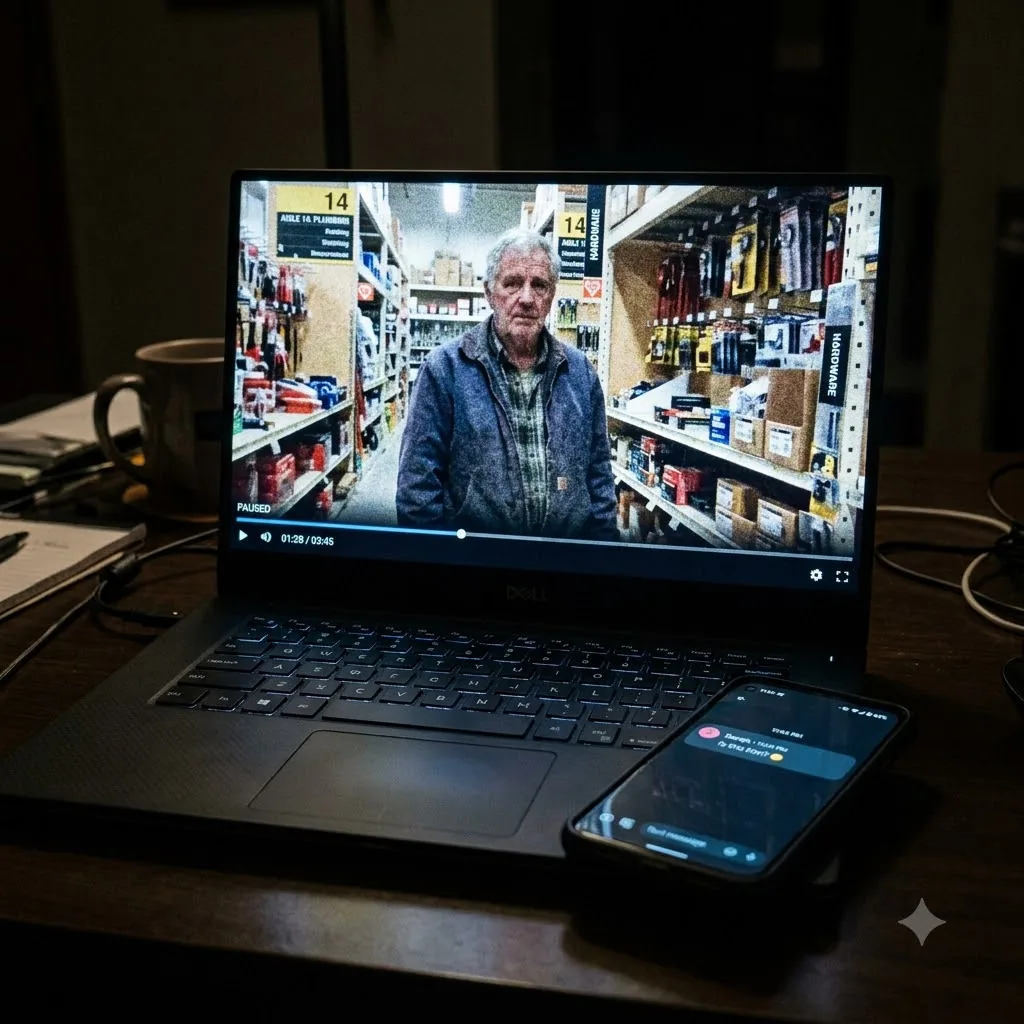
The text message glowed on the screen with three simple words: *Is this him.* The sender had omitted the punctuation, leaving the flat statement hanging above a blue hyperlink. David stared at the notification, his thumb hovering over the glass, fighting the heavily conditioned instinct to simply delete the message. Three years of absolute silence had built a fortress around his daily routine, a strict boundary that kept the unpredictable chaos of his father locked safely in the past. Tapping that link meant lowering the drawbridge.
He tapped the glass.
The browser pulled up a social media page, immediately autoplaying a video on mute. A shaky cell phone camera focused on a crowded outdoor plaza near the downtown transit center. In the center of the frame, an older man stood shouting at a delivery cyclist. Even without sound, the body language was aggressively familiar. The man chopped his right hand through the air, a sharp, dismissive gesture David had endured for the first twenty-five years of his life. The rigid posture, the way the man leaned forward to dominate the physical space around him, it all pulled a tight, uncomfortable knot into David’s stomach.
He pressed the volume rocker on the side of his phone.
Traffic noise and mocking laughter flooded his quiet apartment. The person holding the camera was narrating the scene with cruel amusement, speaking loudly over the street noise. The narrator called out to the passing crowd, mocking the old man for having a public meltdown over a blocked crosswalk. David watched the screen, his chest tightening as his father’s familiar, booming voice echoed through the tiny phone speaker, demanding immediate respect from the strangers ignoring him.
Then the yelling abruptly stopped.
On the screen, his father’s red face went completely slack. The older man staggered backward, his hands flying up to clutch frantically at his chest. The abrasive, dominating energy evaporated in a fraction of a second, replaced by sudden, violent terror. His knees buckled. He collapsed hard onto the concrete, his shoulder striking the pavement with a sickening impact that the camera picked up clearly over the ambient noise.
David stood up from his desk, knocking his wooden chair backward into the bookcase with a loud crash.
On the video, the camera owner did not lower the phone to call for medical help. Instead of rushing forward, the narrator laughed louder, stepping closer to the fallen man. The voice behind the lens declared the collapse a pathetic, manipulative attempt to play the victim and win the street argument. The camera zoomed in tight on the old man’s face, capturing the desperate, shallow gasps for air and the wide, unfocused panic in his eyes.
Bystanders in the background of the shot stepped awkwardly around the body, several pulling out their own phones to record the spectacle from new angles. Nobody knelt down to check his pulse. Nobody shouted for a doctor.
The lens zoomed in further, framing the old man’s outstretched arm against the dirty concrete. The camera focused intently on the wrist, capturing the harsh glare of the afternoon sun bouncing off a gold watch. David froze, his eyes locking onto the deep, jagged dent on the metal bezel. He knew that dent intimately. He had been sitting in the passenger seat of the car when that exact watch struck the dashboard during one of his father’s legendary, terrifying rages two decades ago.
The video looped back to the beginning, the aggressive shouting starting all over again.
David’s hands shook as he looked at the view count at the bottom of the screen. Three hundred thousand views. The numbers ticked upward in real time, jumping by the thousands every time the page refreshed. Beneath the video, an endless cascade of comments celebrated the old man’s physical collapse, calling it instant karma, mocking his outdated clothes, and praising the camera owner for refusing to assist him. The digital crowd was actively feeding on the darkest, most vulnerable moment of a man David had spent three years trying to forget.
He paced across the small living room, rubbing the back of his neck. The no-contact rule had been his ultimate salvation. It had given him lasting peace, a stable career, and a quiet home where doors were never slammed in anger. He had sworn to his therapist, his friends, and himself that he would never let his father drag him back into the destructive cycle.
But the man on the pavement was dying in front of an audience of hundreds of thousands, completely alone and treated like a joke.
David snatched his keys off the kitchen counter and ran out the door, the mocking laughter from the un-paused video still echoing from the phone clutched tightly in his fist. He hit the apartment stairwell at a sprint, his boots slamming against the concrete steps as he descended to the parking garage. The video had captured the street signs at the edge of the plaza, an intersection only fifteen minutes away.
He threw open the heavy metal door to the garage and hit the unlock button on his fob. The car chirped in the echoing concrete cavern. He slid into the driver’s seat, his hands slick with sweat on the leather steering wheel. He jammed the key into the ignition, but before he could turn it, his phone buzzed violently in his hand, a new text message sliding down over the looping video to reveal a terrifying update from the unsaved number.
The text message glowed on the screen with three simple words: *Is this him.* The sender had omitted the punctuation, leaving the flat statement hanging above a blue hyperlink. David stared at the notification, his thumb hovering over the glass, fighting the heavily conditioned instinct to simply delete the message. Three years of absolute silence had built a fortress around his daily routine, a strict boundary that kept the unpredictable chaos of his father locked safely in the past. Tapping that link meant lowering the drawbridge.
He tapped the glass.
The browser pulled up a social media page, immediately autoplaying a video on mute. A shaky cell phone camera focused on a crowded outdoor plaza near the downtown transit center. In the center of the frame, an older man stood shouting at a delivery cyclist. Even without sound, the body language was aggressively familiar. The man chopped his right hand through the air, a sharp, dismissive gesture David had endured for the first twenty-five years of his life. The rigid posture, the way the man leaned forward to dominate the physical space around him, it all pulled a tight, uncomfortable knot into David’s stomach.
He pressed the volume rocker on the side of his phone.
Traffic noise and mocking laughter flooded his quiet apartment. The person holding the camera was narrating the scene with cruel amusement, speaking loudly over the street noise. The narrator called out to the passing crowd, mocking the old man for having a public meltdown over a blocked crosswalk. David watched the screen, his chest tightening as his father’s familiar, booming voice echoed through the tiny phone speaker, demanding immediate respect from the strangers ignoring him.
Then the yelling abruptly stopped.
On the screen, his father’s red face went completely slack. The older man staggered backward, his hands flying up to clutch frantically at his chest. The abrasive, dominating energy evaporated in a fraction of a second, replaced by sudden, violent terror. His knees buckled. He collapsed hard onto the concrete, his shoulder striking the pavement with a sickening impact that the camera picked up clearly over the ambient noise.
David stood up from his desk, knocking his wooden chair backward into the bookcase with a loud crash.
On the video, the camera owner did not lower the phone to call for medical help. Instead of rushing forward, the narrator laughed louder, stepping closer to the fallen man. The voice behind the lens declared the collapse a pathetic, manipulative attempt to play the victim and win the street argument. The camera zoomed in tight on the old man’s face, capturing the desperate, shallow gasps for air and the wide, unfocused panic in his eyes.
Bystanders in the background of the shot stepped awkwardly around the body, several pulling out their own phones to record the spectacle from new angles. Nobody knelt down to check his pulse. Nobody shouted for a doctor.
The lens zoomed in further, framing the old man’s outstretched arm against the dirty concrete. The camera focused intently on the wrist, capturing the harsh glare of the afternoon sun bouncing off a gold watch. David froze, his eyes locking onto the deep, jagged dent on the metal bezel. He knew that dent intimately. He had been sitting in the passenger seat of the car when that exact watch struck the dashboard during one of his father’s legendary, terrifying rages two decades ago.
The video looped back to the beginning, the aggressive shouting starting all over again.
David’s hands shook as he looked at the view count at the bottom of the screen. Three hundred thousand views. The numbers ticked upward in real time, jumping by the thousands every time the page refreshed. Beneath the video, an endless cascade of comments celebrated the old man’s physical collapse, calling it instant karma, mocking his outdated clothes, and praising the camera owner for refusing to assist him. The digital crowd was actively feeding on the darkest, most vulnerable moment of a man David had spent three years trying to forget.
He paced across the small living room, rubbing the back of his neck. The no-contact rule had been his ultimate salvation. It had given him lasting peace, a stable career, and a quiet home where doors were never slammed in anger. He had sworn to his therapist, his friends, and himself that he would never let his father drag him back into the destructive cycle.
But the man on the pavement was dying in front of an audience of hundreds of thousands, completely alone and treated like a joke.
David snatched his keys off the kitchen counter and ran out the door, the mocking laughter from the un-paused video still echoing from the phone clutched tightly in his fist. He hit the apartment stairwell at a sprint, his boots slamming against the concrete steps as he descended to the parking garage. The video had captured the street signs at the edge of the plaza, an intersection only fifteen minutes away.
He threw open the heavy metal door to the garage and hit the unlock button on his fob. The car chirped in the echoing concrete cavern. He slid into the driver’s seat, his hands slick with sweat on the leather steering wheel. He jammed the key into the ignition, but before he could turn it, his phone buzzed violently in his hand, a new text message sliding down over the looping video to reveal a terrifying update from the unsaved number.