Story code: ST-001483
Part 1: The Deadbolt
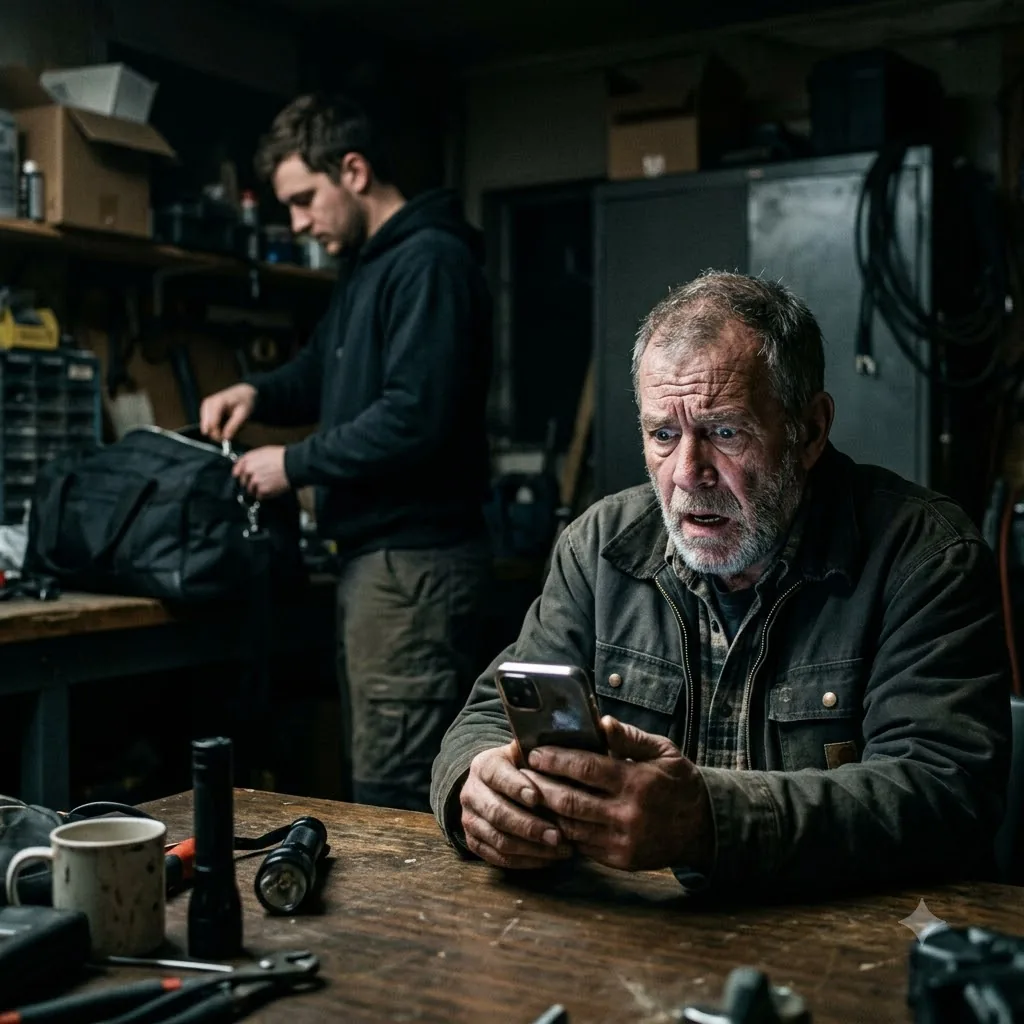
Marcus counted the banded stacks of twenties on the folding table, the rhythmic snap of paper the only sound in the back office of the auto body shop. His burner phone vibrated against the metal desk, but it was the distinct double-chime of his personal cell in his jacket pocket that made his hand freeze. He dropped the cash and pulled the screen into view. It was a text from Maya. *Dad there is a drill but it sounds loud outside my classroom.*
Marcus stared at the gray bubble, the ambient hum of the air compressor outside suddenly fading into a tight ringing in his ears. He tapped the screen to keep it from going dark. *They told us to hide under the desks and be quiet.*
Marcus pushed his chair back. The metal legs screeched against the concrete floor. He stood up, his thumb hovering over the call button, but the last text stopped him. *Be quiet.* He could not risk her phone ringing. He typed back, his thick thumbs clumsy on the glass. *Stay low. Do not move. I am on my way.*
He shoved the phone into his pocket and grabbed his keys from the table. The stacks of twenties sat ignored. The shipment coming in from the East Side crew did not matter. The turf dispute down on Tenth Avenue evaporated from his mind. He walked out of the cramped office into the main garage, the smell of grease and burnt rubber thick in the air.
Trey was at the workbench near the roll-up door. Trey had been his right hand for four years, the guy who handled the logistics, the muscle, the noise. Marcus expected Trey to already have the engine running on the armored SUV, sensing the shift in the room’s energy. Instead, Trey was methodically folding a black hooded sweatshirt.
Marcus halted mid-stride. The garage was quiet except for a low, static hiss coming from a portable radio on the workbench. A police scanner. Trey never brought the scanner into the shop during daylight hours, preferring to keep the footprint clean.
“Maya’s school,” Marcus said, his voice a tight gravel. “Lockdown. She says it sounds real.”
Trey did not look up. He smoothed the wrinkles out of the sweatshirt and placed it neatly into a dark canvas duffel bag. The zipper of the bag lay open, revealing a stack of zip ties and heavy leather gloves.
“It is probably just a drill, boss.” Trey’s voice was entirely devoid of the sudden adrenaline that was currently setting Marcus’s blood on fire. Trey reached over and turned the volume knob on the scanner up a fraction of an inch. The dispatcher’s voice crackled through the speaker, rattled off a string of ten-codes, and went silent again.
Marcus stepped closer, his eyes darting between the scanner, the duffel bag, and Trey’s unnervingly steady hands. Usually, a threat to Marcus’s family had Trey reaching for his holster, barking orders to the crew. Today, his movements were slow and calculated, like a man following a pre-written list.
“I am not waiting to find out if it is a drill,” Marcus said, snatching a spare magazine from the shelf and sliding it into his jacket pocket. “Get the truck. We are going to the high school. Now.”
Trey zipped the duffel bag closed. The metal teeth dragged sharply in the quiet garage. He slung the heavy strap over his shoulder.
“The perimeter will be locked down by now,” Trey said. He turned to face Marcus. His expression was a flat, unreadable mask. “Cops will have a two-block radius choked off. You roll up in the Rover, they will have you on the pavement before you even see the front doors.”
Marcus grabbed Trey by the shoulder of his jacket. The fabric bunched in his fist. “I do not care about the cops. I care about getting my daughter out of that building.”
Trey looked down at Marcus’s hand. He did not pull away, letting the heavy bag settle against his hip. “You need to think about this rationally, Marcus. Rushing in blind is how people catch strays.”
Marcus let go, stepping back. The lack of urgency was staggering. Every instinct Marcus had honed on the streets over twenty years was screaming at him, a jarring dissonance between the situation and his lieutenant’s reaction. Maya was terrified, hiding under a desk, and Trey was offering tactical advice with the monotone delivery of an automated recording.
His cell phone vibrated again. Marcus yanked it out. *Someone is banging on the hallway doors.*
The text hit him like a physical blow to the chest. He showed the screen to Trey. “Read it. They are banging on the doors. I am leaving.”
Marcus bypassed Trey, heading straight for the heavy metal side door that led to the alley where his personal car was parked. He pushed the crash bar, but the door rattled against its frame, unyielding. The deadbolt was engaged. It was a commercial deadbolt that required a key from the inside, a measure Trey had insisted on last month.
Marcus patted his pockets, feeling his car keys and phone. He looked back at the workbench. The ring of shop keys that always hung on the pegboard was missing.
He turned around. Trey was standing exactly where Marcus had left him, the scanner static hissing between them. Trey’s hand was resting casually in his right pocket. The distinct shape of the heavy brass keyring bulged against the dark fabric of his jeans.
The dispatcher’s voice suddenly blared from the scanner, louder this time, shouting a confirmation of multiple units responding to the high school, demanding immediate tactical support at the north entrance.
Marcus stared at the bulge in Trey’s pocket, then up at his lieutenant’s cold, unflinching eyes, the heavy silence in the garage suddenly feeling much more dangerous than the sirens bleeding through the walls.
Trey shifted his weight, his hand still buried in his pocket, and took one slow step forward.
Marcus counted the banded stacks of twenties on the folding table, the rhythmic snap of paper the only sound in the back office of the auto body shop. His burner phone vibrated against the metal desk, but it was the distinct double-chime of his personal cell in his jacket pocket that made his hand freeze. He dropped the cash and pulled the screen into view. It was a text from Maya. *Dad there is a drill but it sounds loud outside my classroom.*
Marcus stared at the gray bubble, the ambient hum of the air compressor outside suddenly fading into a tight ringing in his ears. He tapped the screen to keep it from going dark. *They told us to hide under the desks and be quiet.*
Marcus pushed his chair back. The metal legs screeched against the concrete floor. He stood up, his thumb hovering over the call button, but the last text stopped him. *Be quiet.* He could not risk her phone ringing. He typed back, his thick thumbs clumsy on the glass. *Stay low. Do not move. I am on my way.*
He shoved the phone into his pocket and grabbed his keys from the table. The stacks of twenties sat ignored. The shipment coming in from the East Side crew did not matter. The turf dispute down on Tenth Avenue evaporated from his mind. He walked out of the cramped office into the main garage, the smell of grease and burnt rubber thick in the air.
Trey was at the workbench near the roll-up door. Trey had been his right hand for four years, the guy who handled the logistics, the muscle, the noise. Marcus expected Trey to already have the engine running on the armored SUV, sensing the shift in the room’s energy. Instead, Trey was methodically folding a black hooded sweatshirt.
Marcus halted mid-stride. The garage was quiet except for a low, static hiss coming from a portable radio on the workbench. A police scanner. Trey never brought the scanner into the shop during daylight hours, preferring to keep the footprint clean.
“Maya’s school,” Marcus said, his voice a tight gravel. “Lockdown. She says it sounds real.”
Trey did not look up. He smoothed the wrinkles out of the sweatshirt and placed it neatly into a dark canvas duffel bag. The zipper of the bag lay open, revealing a stack of zip ties and heavy leather gloves.
“It is probably just a drill, boss.” Trey’s voice was entirely devoid of the sudden adrenaline that was currently setting Marcus’s blood on fire. Trey reached over and turned the volume knob on the scanner up a fraction of an inch. The dispatcher’s voice crackled through the speaker, rattled off a string of ten-codes, and went silent again.
Marcus stepped closer, his eyes darting between the scanner, the duffel bag, and Trey’s unnervingly steady hands. Usually, a threat to Marcus’s family had Trey reaching for his holster, barking orders to the crew. Today, his movements were slow and calculated, like a man following a pre-written list.
“I am not waiting to find out if it is a drill,” Marcus said, snatching a spare magazine from the shelf and sliding it into his jacket pocket. “Get the truck. We are going to the high school. Now.”
Trey zipped the duffel bag closed. The metal teeth dragged sharply in the quiet garage. He slung the heavy strap over his shoulder.
“The perimeter will be locked down by now,” Trey said. He turned to face Marcus. His expression was a flat, unreadable mask. “Cops will have a two-block radius choked off. You roll up in the Rover, they will have you on the pavement before you even see the front doors.”
Marcus grabbed Trey by the shoulder of his jacket. The fabric bunched in his fist. “I do not care about the cops. I care about getting my daughter out of that building.”
Trey looked down at Marcus’s hand. He did not pull away, letting the heavy bag settle against his hip. “You need to think about this rationally, Marcus. Rushing in blind is how people catch strays.”
Marcus let go, stepping back. The lack of urgency was staggering. Every instinct Marcus had honed on the streets over twenty years was screaming at him, a jarring dissonance between the situation and his lieutenant’s reaction. Maya was terrified, hiding under a desk, and Trey was offering tactical advice with the monotone delivery of an automated recording.
His cell phone vibrated again. Marcus yanked it out. *Someone is banging on the hallway doors.*
The text hit him like a physical blow to the chest. He showed the screen to Trey. “Read it. They are banging on the doors. I am leaving.”
Marcus bypassed Trey, heading straight for the heavy metal side door that led to the alley where his personal car was parked. He pushed the crash bar, but the door rattled against its frame, unyielding. The deadbolt was engaged. It was a commercial deadbolt that required a key from the inside, a measure Trey had insisted on last month.
Marcus patted his pockets, feeling his car keys and phone. He looked back at the workbench. The ring of shop keys that always hung on the pegboard was missing.
He turned around. Trey was standing exactly where Marcus had left him, the scanner static hissing between them. Trey’s hand was resting casually in his right pocket. The distinct shape of the heavy brass keyring bulged against the dark fabric of his jeans.
The dispatcher’s voice suddenly blared from the scanner, louder this time, shouting a confirmation of multiple units responding to the high school, demanding immediate tactical support at the north entrance.
Marcus stared at the bulge in Trey’s pocket, then up at his lieutenant’s cold, unflinching eyes, the heavy silence in the garage suddenly feeling much more dangerous than the sirens bleeding through the walls.
Trey shifted his weight, his hand still buried in his pocket, and took one slow step forward.