Story code: ST-001538
Part 1: Void Ab Initio
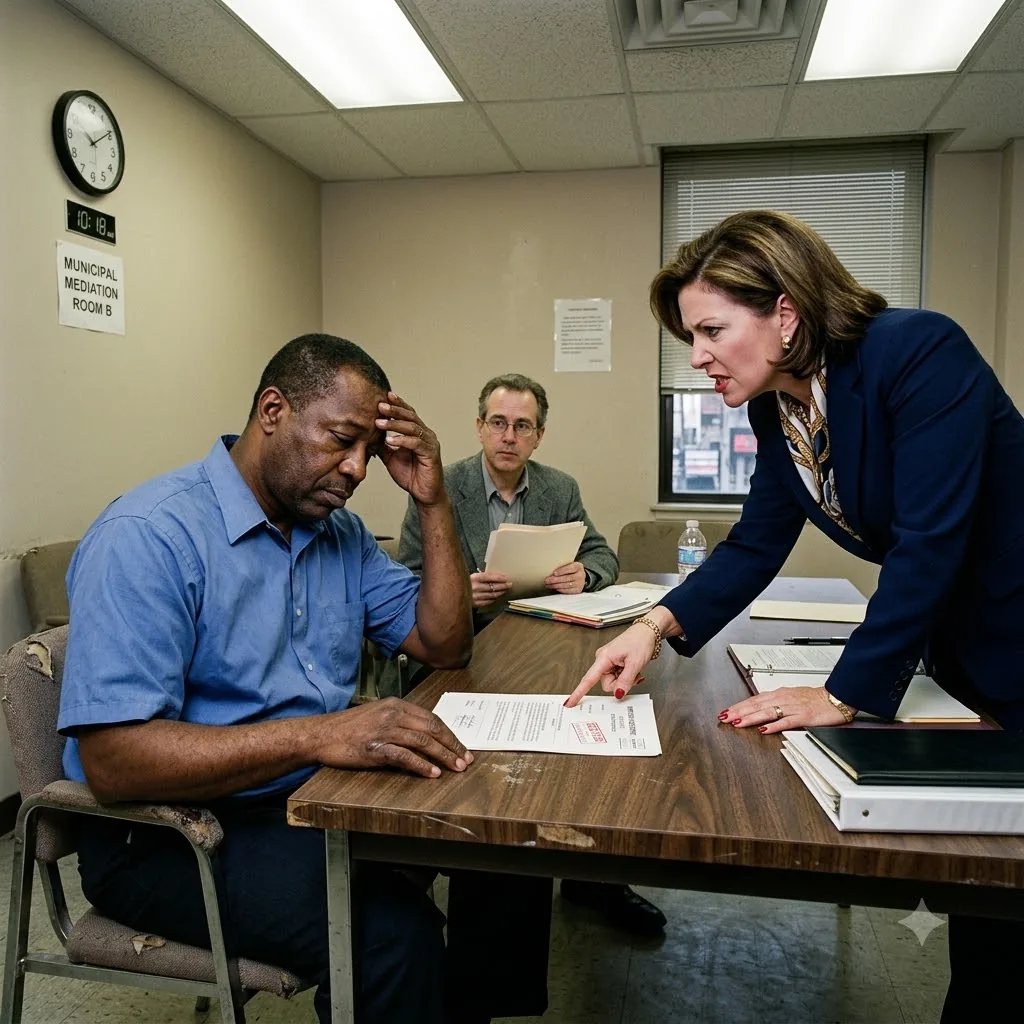
Marcus stared at the perfectly valid noise variance permit resting on the scarred laminate of the municipal mediation table. The ink from his own signature, dated four weeks prior, sat bold and black next to the official embossed seal of the Parks and Recreation Bureau. Across the table, Eleanor Vance adjusted the cuffs of a cashmere blazer that cost more than Marcus made in a month. She leaned forward with the rigid posture of a predator about to strike.
She tapped a manicured fingernail against the edge of the document, declaring the paper a total fabrication. She called it a gross error of municipal oversight that required immediate eradication. Marcus found the intensity of her demand baffling. The Oak Leaf Drive block party in question had concluded three days ago. The barricades were already dismantled, the streets swept by the city trucks, and the temporary traffic diversions lifted. Yet Eleanor sat in the windowless basement office of City Hall at eight in the morning, demanding the permit be stamped “void ab initio.”
Marcus steepled his fingers, trying to process the sheer hostility radiating from the woman. He explained calmly that retroactive cancellation of a completed event fell entirely outside standard operating procedures. The event occurred, the noise variance expired at ten o’clock on Sunday night, and the file was currently marked closed in the database.
Eleanor refused to accept closed. She unleashed a torrent of zoning statutes and municipal codes, citing obscure residential bylaws that had not been enforced since the late nineties. She described the weekend gathering not as a neighborhood barbecue, but as a coordinated incident of civic unrest. She weaponized words like “endangerment,” “hostile occupation,” and “willful negligence.” Her voice remained low, clipped, and completely devoid of the hysterical tone usually accompanying Monday morning noise complaints. She was entirely serious.
She slid a heavy leather planner open, extracting a red ink stamp from a velvet pouch. She placed the stamp on the table next to Marcus’s hand. She instructed him to invalidate the permit immediately. She wanted him to strike his signature from the record as if the approval had never been granted in the first place.
Marcus looked at the wooden handle of the stamp, then back to Eleanor. He stated that altering public records after the fact constituted a misdemeanor. He reiterated the simple reality of linear time. The party was over. The residents of Oak Leaf Drive had played their music, packed up their folding tables, and gone back to their ordinary lives.
Eleanor’s eyes narrowed into sharp, dark slits. She informed him that he failed to comprehend the severity of the situation. She insisted the permit was a legal shield currently being used by malicious actors. By allowing the document to remain in the active archives, Marcus was making the city complicit in a catastrophic breach of neighborhood security. She demanded the immediate destruction of the electronic copy and a physical nullification of the paper draft sitting between them.
Marcus shifted in his uncomfortable ergonomic chair. The humming of the overhead fluorescent lights filled the silence. The sheer desperation beneath her polished exterior made absolutely no sense for a simple noise complaint. Angry residents usually yelled about trampled flowerbeds, unauthorized parking, or red plastic cups left on their pristine lawns. They did not hire private mediators, rent out a basement conference room, and demand the retroactive un-making of reality. He pushed the red stamp back across the table, maintaining his professional boundary. He told her the permit stood as a matter of historical fact.
Eleanor did not flinch. She closed her leather planner with a sharp snap that echoed loudly in the small room. She informed Marcus that his refusal to cooperate on an administrative level left her no choice but to introduce the consequences of his negligence. Her hand reached into the sleek designer tote bag resting by her shiny leather boots.
Marcus watched her movements closely, noting the rigid tension in her shoulders. She bypassed her phone, bypassed her thick leather wallet, and extracted a single sheet of pale yellow paper. It was clearly not a municipal form. It lacked the city crest, the barcode, and the standard bureaucratic formatting.
She placed the paper face down on the table. She smoothed out a microscopic crease in the corner with her thumb, her movements deliberate and terrifyingly calm. She told Marcus that the block party he authorized had created a legal umbrella for an event that would bankrupt the city in liability claims. She stated that if he did not void the permit this exact second, his signature would become the primary exhibit in a catastrophic civil suit.
Marcus remained silent, his gaze fixed on the back of the yellow paper. He kept his hands in his lap, refusing to reach for the red stamp.
Eleanor let out a harsh, dismissive sigh. She flipped the yellow document over and slid it slowly across the laminate surface, stopping it exactly over his signature on the block party permit. Marcus looked down at the bold black lettering at the top of the page. It was a county jail intake form.
Marcus stared at the perfectly valid noise variance permit resting on the scarred laminate of the municipal mediation table. The ink from his own signature, dated four weeks prior, sat bold and black next to the official embossed seal of the Parks and Recreation Bureau. Across the table, Eleanor Vance adjusted the cuffs of a cashmere blazer that cost more than Marcus made in a month. She leaned forward with the rigid posture of a predator about to strike.
She tapped a manicured fingernail against the edge of the document, declaring the paper a total fabrication. She called it a gross error of municipal oversight that required immediate eradication. Marcus found the intensity of her demand baffling. The Oak Leaf Drive block party in question had concluded three days ago. The barricades were already dismantled, the streets swept by the city trucks, and the temporary traffic diversions lifted. Yet Eleanor sat in the windowless basement office of City Hall at eight in the morning, demanding the permit be stamped “void ab initio.”
Marcus steepled his fingers, trying to process the sheer hostility radiating from the woman. He explained calmly that retroactive cancellation of a completed event fell entirely outside standard operating procedures. The event occurred, the noise variance expired at ten o’clock on Sunday night, and the file was currently marked closed in the database.
Eleanor refused to accept closed. She unleashed a torrent of zoning statutes and municipal codes, citing obscure residential bylaws that had not been enforced since the late nineties. She described the weekend gathering not as a neighborhood barbecue, but as a coordinated incident of civic unrest. She weaponized words like “endangerment,” “hostile occupation,” and “willful negligence.” Her voice remained low, clipped, and completely devoid of the hysterical tone usually accompanying Monday morning noise complaints. She was entirely serious.
She slid a heavy leather planner open, extracting a red ink stamp from a velvet pouch. She placed the stamp on the table next to Marcus’s hand. She instructed him to invalidate the permit immediately. She wanted him to strike his signature from the record as if the approval had never been granted in the first place.
Marcus looked at the wooden handle of the stamp, then back to Eleanor. He stated that altering public records after the fact constituted a misdemeanor. He reiterated the simple reality of linear time. The party was over. The residents of Oak Leaf Drive had played their music, packed up their folding tables, and gone back to their ordinary lives.
Eleanor’s eyes narrowed into sharp, dark slits. She informed him that he failed to comprehend the severity of the situation. She insisted the permit was a legal shield currently being used by malicious actors. By allowing the document to remain in the active archives, Marcus was making the city complicit in a catastrophic breach of neighborhood security. She demanded the immediate destruction of the electronic copy and a physical nullification of the paper draft sitting between them.
Marcus shifted in his uncomfortable ergonomic chair. The humming of the overhead fluorescent lights filled the silence. The sheer desperation beneath her polished exterior made absolutely no sense for a simple noise complaint. Angry residents usually yelled about trampled flowerbeds, unauthorized parking, or red plastic cups left on their pristine lawns. They did not hire private mediators, rent out a basement conference room, and demand the retroactive un-making of reality. He pushed the red stamp back across the table, maintaining his professional boundary. He told her the permit stood as a matter of historical fact.
Eleanor did not flinch. She closed her leather planner with a sharp snap that echoed loudly in the small room. She informed Marcus that his refusal to cooperate on an administrative level left her no choice but to introduce the consequences of his negligence. Her hand reached into the sleek designer tote bag resting by her shiny leather boots.
Marcus watched her movements closely, noting the rigid tension in her shoulders. She bypassed her phone, bypassed her thick leather wallet, and extracted a single sheet of pale yellow paper. It was clearly not a municipal form. It lacked the city crest, the barcode, and the standard bureaucratic formatting.
She placed the paper face down on the table. She smoothed out a microscopic crease in the corner with her thumb, her movements deliberate and terrifyingly calm. She told Marcus that the block party he authorized had created a legal umbrella for an event that would bankrupt the city in liability claims. She stated that if he did not void the permit this exact second, his signature would become the primary exhibit in a catastrophic civil suit.
Marcus remained silent, his gaze fixed on the back of the yellow paper. He kept his hands in his lap, refusing to reach for the red stamp.
Eleanor let out a harsh, dismissive sigh. She flipped the yellow document over and slid it slowly across the laminate surface, stopping it exactly over his signature on the block party permit. Marcus looked down at the bold black lettering at the top of the page. It was a county jail intake form.