Story code: ST-000279
Part 1: Angela Used the Screen Like a Courtroom
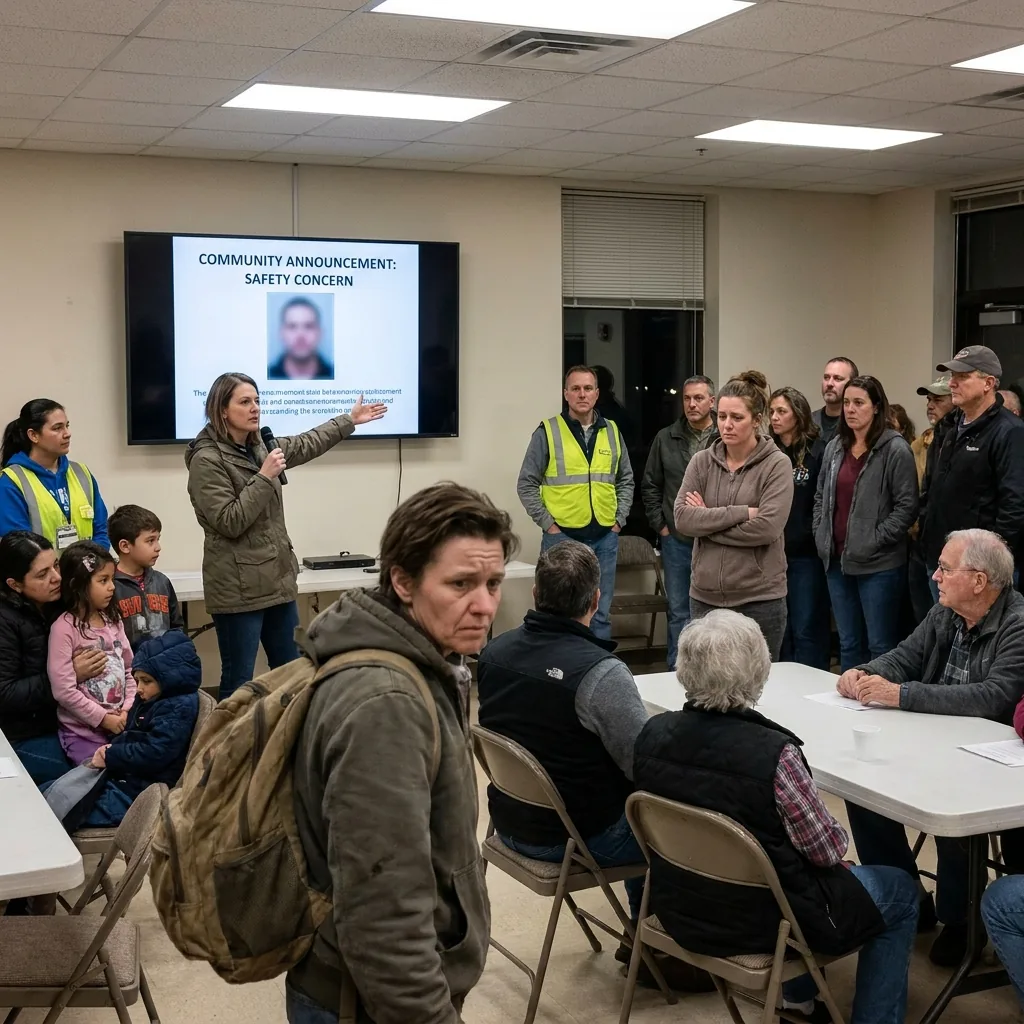
Angela Brooks put Dana Mercer on the announcement screen in the middle of a regular community center night and told a room full of parents, volunteers, and kids that Dana should be banned from group activities for breaking the center’s moral standard. The folding chairs were half full, children were still walking past the check-in table with craft bags, and Angela was already holding the wireless mic like the verdict had been settled before Dana even opened her mouth. What made people stop moving was not just the accusation. It was the way Angela said the same rule had to apply to everyone, while a small timestamp sat in the corner of the screen beside a queue entry nobody had looked at closely yet. Mara had been near the side hallway with a paper cup of coffee when the room changed shape. A minute earlier, the main multipurpose room had the usual Riverton Community Center rhythm: chairs scraping, a basketball thumping faintly through the wall from the gym, parents checking program times, somebody asking where the scissors were for the kids’ table. Then the announcement screen above the folding-chair area switched from the evening agenda to a slide with Dana’s name in large block letters. Under it, in smaller text, Angela had put: COMMUNITY VALUES VIOLATION – REMOVAL REVIEW REQUESTED. A few heads lifted at once. A few more turned when Angela tapped the mic and said, “Before we begin tonight’s volunteer planning, I need to address a standards issue. If we say this center is a safe moral space for families, then we cannot make exceptions for people who ignore the rules the rest of us follow.” Dana was standing three rows back with her tote on one shoulder and a folded paper schedule sticking out of the side pocket. She did not rush forward. She did not wave her arms. She set the tote down by a chair and looked straight at Angela. Tasha Mercer, her daughter, was near the bulletin table with a backpack at her feet. She had been looking toward the youth room. Now she was looking only at the screen. Angela turned slightly and pointed up at the slide. “Dana knowingly violated the family conduct standard we agreed on for this program. That kind of hypocrisy cannot be excused just because someone volunteers a lot or is well liked.” The room picked up that last phrase. Mara could see it happen in real time. People who knew Dana by sight but not by details began to study her face instead of Angela’s slide. A father near the back folded his arms. One of the older volunteers lowered herself into a chair without taking her eyes off the screen. Somebody’s child asked, too loudly, “What did she do?” and got shushed. Dana answered without raising her voice. “If you’re going to accuse me in public, say exactly what you mean.” Angela brought the mic closer. “You know what I mean. We have rules about what kind of example adults set here. Anyone who breaks that trust should lose leadership access, volunteer access, and group privileges. Anyone.” She gave weight to that last word. Her tone had the clipped, practiced sound people use when they think the sentence itself should end the argument. Mara glanced toward the staff podium. Luis Ortega was beside the screen control console with his tablet in one hand and his keys hanging from the other. He was not speaking. He was looking at the screen the way facilities people look at something that should not be there. He checked the screen, then the console, then the screen again. Dana took one step into the aisle. “You are twisting something and you know it.” Angela replied immediately. “I’m applying the same standard I expect from every parent-facing volunteer in this building. If an adult violates that standard, they should be removed. We cannot preach values to families and then ignore conduct when it’s inconvenient.” A murmur moved through the chairs. Angela had made it bigger now. This was no longer a complaint between two women. She had tied Dana’s name to the center’s values in front of people who signed in for classes here, served snacks here, watched each other’s children here. The harm was visible on faces all over the room: narrowed eyes, people leaning away, two women whispering with Dana’s name in the middle of the sentence. Mara saw Monica Hale come in from the side door with her lanyard and printed agenda still in her hand. She stopped before reaching the front. Her eyes went first to Angela, then to the slide, then to Dana. “What is this?” Monica asked. Angela did not lower the mic. “A necessary correction before the meeting starts. Dana broke the standard. I’m asking the center to act consistently.” Monica read the screen twice. “This is the announcement system, not a personal discipline board.” Angela answered fast. “Then all the more reason to be clear. Families trust what we display here. If someone violates our code, hiding it sends the wrong message.” That was when Luis finally spoke, quietly but clearly enough for the first few rows to hear. “Angela, this slide is still tied to the live queue.” Angela looked at him, then back to Monica. “Fine. Leave it up until we finish this.” Luis did not move. He lifted the tablet a little. “I’m saying the queue details are visible from the console side. The entry stamp is attached.” Mara followed his gaze toward the lower corner of the screen. Beneath Angela’s slide title was a smaller line that looked like a standard scheduling tag. It had a date, a time, and a source label. From where she stood, she could not read all of it, but she saw Angela see it too. Angela’s hand tightened around the microphone. Dana looked from the screen to Luis. “Then read the full record.” Angela cut in before Luis answered. “The issue is not the.
Angela Brooks put Dana Mercer on the announcement screen in the middle of a regular community center night and told a room full of parents, volunteers, and kids that Dana should be banned from group activities for breaking the center’s moral standard. The folding chairs were half full, children were still walking past the check-in table with craft bags, and Angela was already holding the wireless mic like the verdict had been settled before Dana even opened her mouth. What made people stop moving was not just the accusation. It was the way Angela said the same rule had to apply to everyone, while a small timestamp sat in the corner of the screen beside a queue entry nobody had looked at closely yet. Mara had been near the side hallway with a paper cup of coffee when the room changed shape. A minute earlier, the main multipurpose room had the usual Riverton Community Center rhythm: chairs scraping, a basketball thumping faintly through the wall from the gym, parents checking program times, somebody asking where the scissors were for the kids’ table. Then the announcement screen above the folding-chair area switched from the evening agenda to a slide with Dana’s name in large block letters. Under it, in smaller text, Angela had put: COMMUNITY VALUES VIOLATION – REMOVAL REVIEW REQUESTED. A few heads lifted at once. A few more turned when Angela tapped the mic and said, “Before we begin tonight’s volunteer planning, I need to address a standards issue. If we say this center is a safe moral space for families, then we cannot make exceptions for people who ignore the rules the rest of us follow.” Dana was standing three rows back with her tote on one shoulder and a folded paper schedule sticking out of the side pocket. She did not rush forward. She did not wave her arms. She set the tote down by a chair and looked straight at Angela. Tasha Mercer, her daughter, was near the bulletin table with a backpack at her feet. She had been looking toward the youth room. Now she was looking only at the screen. Angela turned slightly and pointed up at the slide. “Dana knowingly violated the family conduct standard we agreed on for this program. That kind of hypocrisy cannot be excused just because someone volunteers a lot or is well liked.” The room picked up that last phrase. Mara could see it happen in real time. People who knew Dana by sight but not by details began to study her face instead of Angela’s slide. A father near the back folded his arms. One of the older volunteers lowered herself into a chair without taking her eyes off the screen. Somebody’s child asked, too loudly, “What did she do?” and got shushed. Dana answered without raising her voice. “If you’re going to accuse me in public, say exactly what you mean.” Angela brought the mic closer. “You know what I mean. We have rules about what kind of example adults set here. Anyone who breaks that trust should lose leadership access, volunteer access, and group privileges. Anyone.” She gave weight to that last word. Her tone had the clipped, practiced sound people use when they think the sentence itself should end the argument. Mara glanced toward the staff podium. Luis Ortega was beside the screen control console with his tablet in one hand and his keys hanging from the other. He was not speaking. He was looking at the screen the way facilities people look at something that should not be there. He checked the screen, then the console, then the screen again. Dana took one step into the aisle. “You are twisting something and you know it.” Angela replied immediately. “I’m applying the same standard I expect from every parent-facing volunteer in this building. If an adult violates that standard, they should be removed. We cannot preach values to families and then ignore conduct when it’s inconvenient.” A murmur moved through the chairs. Angela had made it bigger now. This was no longer a complaint between two women. She had tied Dana’s name to the center’s values in front of people who signed in for classes here, served snacks here, watched each other’s children here. The harm was visible on faces all over the room: narrowed eyes, people leaning away, two women whispering with Dana’s name in the middle of the sentence. Mara saw Monica Hale come in from the side door with her lanyard and printed agenda still in her hand. She stopped before reaching the front. Her eyes went first to Angela, then to the slide, then to Dana. “What is this?” Monica asked. Angela did not lower the mic. “A necessary correction before the meeting starts. Dana broke the standard. I’m asking the center to act consistently.” Monica read the screen twice. “This is the announcement system, not a personal discipline board.” Angela answered fast. “Then all the more reason to be clear. Families trust what we display here. If someone violates our code, hiding it sends the wrong message.” That was when Luis finally spoke, quietly but clearly enough for the first few rows to hear. “Angela, this slide is still tied to the live queue.” Angela looked at him, then back to Monica. “Fine. Leave it up until we finish this.” Luis did not move. He lifted the tablet a little. “I’m saying the queue details are visible from the console side. The entry stamp is attached.” Mara followed his gaze toward the lower corner of the screen. Beneath Angela’s slide title was a smaller line that looked like a standard scheduling tag. It had a date, a time, and a source label. From where she stood, she could not read all of it, but she saw Angela see it too. Angela’s hand tightened around the microphone. Dana looked from the screen to Luis. “Then read the full record.” Angela cut in before Luis answered. “The issue is not the.