Story code: ST-001679
Part 1: The Compliance Lien
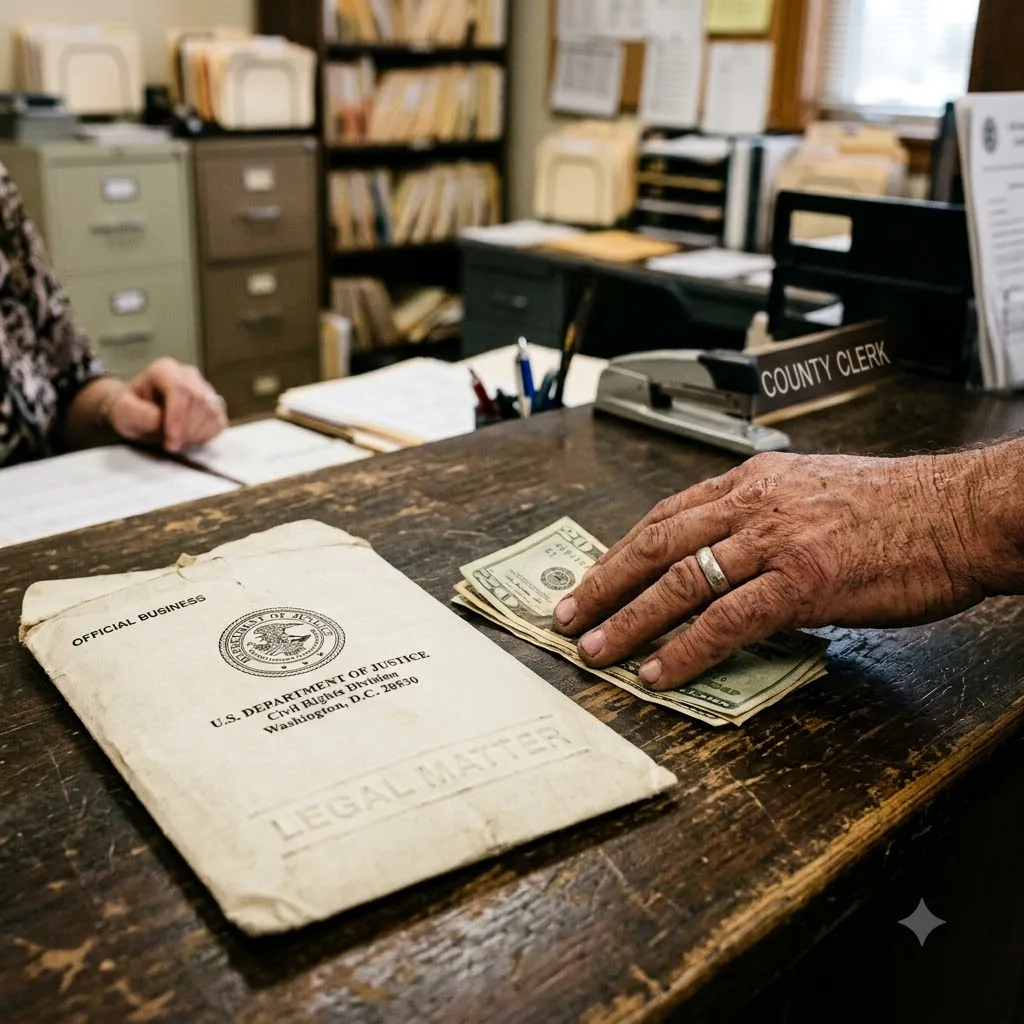
Ray Vance smoothed the final twenty-dollar bill against the scuffed laminate counter of the county tax office. Seven hundred and forty-two dollars, counted out to the exact cent, sat stacked in a precise paper rectangle. Paying his annual property tax in physical cash was a rigid personal tradition. It was a tangible proof of ownership, a yearly reminder that the modest sixty-thousand-dollar house at the end of Elm Street belonged to him and no one else. He pushed the neat stack toward the cutout in the security glass, waiting for the familiar thump of the rubber receipt stamp.
The clerk behind the glass did not reach for the money. She tapped her long acrylic fingernails against her keyboard, her eyes locked on her monitor. A soft blue light reflected off her glasses as she scrolled through a screen filled with stark yellow text. She hit the escape key, then typed his parcel number a second time.
Ray shifted his weight. The line behind him shuffled, a chorus of impatient sighs and squeaking winter boots on the linoleum floor. The transaction was supposed to take forty seconds. Hand over the cash, get the stamped paper, walk out feeling secure for another twelve months.
The clerk leaned toward the circular microphone grid. She told Ray she could not process the payment.
Ray stared at the stack of bills. He pointed at the cash, stating he had the exact amount printed on the notice he received in October.
The clerk shook her head. The system had placed a hard freeze on his property deed. She could not accept any tax payments while the block remained active. If she tried to force the transaction, the computer would just spit the funds back into a holding account.
Ray pressed his hands flat against the counter. He stated firmly that there had to be an error in the database. He had owned the property free and clear for fourteen years. He had no mortgage, no secondary loans, and no outstanding debts to the city.
The clerk adjusted her glasses and leaned closer to her monitor. She read aloud from the terminal, her voice flat and bureaucratic. The freeze did not originate from the county assessor. It was a secondary lock, triggered by a third-party legal filing attached to his parcel number. She squinted at the screen, parsing the unusual phrasing.
A color compliance lien.
Ray blinked at the glass. The words hung in the stale air of the municipal building. He repeated the phrase, demanding to know what color compliance meant in a tax office.
The clerk clicked another button, navigating to a deeper sub-menu. She read that the lien cited a failure to cure a severe aesthetic violation. Specifically, it noted an unauthorized alteration of exterior woodwork.
Ray felt a cold weight drop in his stomach. His mind snapped to the single gallon of barn-red paint he had purchased at the hardware store three months ago. Thirty dollars to coat the steps of his front porch, a desperate attempt to protect the aging wood from the rotting damp of the coming winter. A simple weekend chore on his own property. Now, a glowing alert on a government computer was threatening his ownership of the home.
He told the clerk a can of porch paint could not freeze a property deed. He told her to override it, to take his cash and stamp his paper.
The clerk ignored the money. She told Ray to wait and pushed her rolling chair back from the desk. She disappeared through a heavy wooden door marked for authorized personnel.
Ray stood alone at the counter. The man in line behind him coughed, shifting his weight. Ray kept his eyes glued to his stack of twenties. The minutes stretched, heavy and silent. A thirty-dollar can of red paint. It made absolutely no sense. Neighborhood aesthetic disputes resulted in nagging letters or petty fines, not a total paralysis of a municipal deed.
The heavy wooden door clicked open. The clerk returned, but she was not looking at her computer. She carried a thick, cream-colored envelope in her hands. She did not sit back down. She approached the glass partition with a hesitant, almost apologetic posture.
She slid the envelope through the narrow slot at the bottom of the glass. It pushed right into Ray’s stack of tax money, knocking over a row of twenties.
Ray looked down. The envelope was heavy, made of thick, expensive cardstock. The return address in the upper left corner was stamped in raised, metallic black ink. It was not a local return address. It belonged to a corporate address on K Street in Washington, D.C. The name of a massive corporate law firm arched across the top in an aggressive serif font.
The clerk spoke softly through the microphone. She told him the courier had dropped that envelope off directly with the county recorder yesterday, with strict instructions to hand it to Ray the moment he attempted to pay his taxes.
Ray picked up the envelope. The thick paper felt like a lead weight in his grip. The front was stamped with a stark, red warning label indicating an intent to foreclose.
He tore the seal open with his thumb. He pulled out a dense stack of legal documents, his eyes catching the bold heading on the first page. It demanded the immediate surrender of the property, citing over a thousand billable hours of corporate legal fees attached to the enforcement of the color compliance lien.
Ray looked up from the paper, his mouth open to speak, but the clerk was already reaching up and pulling down the closed blind over her window.
Ray Vance smoothed the final twenty-dollar bill against the scuffed laminate counter of the county tax office. Seven hundred and forty-two dollars, counted out to the exact cent, sat stacked in a precise paper rectangle. Paying his annual property tax in physical cash was a rigid personal tradition. It was a tangible proof of ownership, a yearly reminder that the modest sixty-thousand-dollar house at the end of Elm Street belonged to him and no one else. He pushed the neat stack toward the cutout in the security glass, waiting for the familiar thump of the rubber receipt stamp.
The clerk behind the glass did not reach for the money. She tapped her long acrylic fingernails against her keyboard, her eyes locked on her monitor. A soft blue light reflected off her glasses as she scrolled through a screen filled with stark yellow text. She hit the escape key, then typed his parcel number a second time.
Ray shifted his weight. The line behind him shuffled, a chorus of impatient sighs and squeaking winter boots on the linoleum floor. The transaction was supposed to take forty seconds. Hand over the cash, get the stamped paper, walk out feeling secure for another twelve months.
The clerk leaned toward the circular microphone grid. She told Ray she could not process the payment.
Ray stared at the stack of bills. He pointed at the cash, stating he had the exact amount printed on the notice he received in October.
The clerk shook her head. The system had placed a hard freeze on his property deed. She could not accept any tax payments while the block remained active. If she tried to force the transaction, the computer would just spit the funds back into a holding account.
Ray pressed his hands flat against the counter. He stated firmly that there had to be an error in the database. He had owned the property free and clear for fourteen years. He had no mortgage, no secondary loans, and no outstanding debts to the city.
The clerk adjusted her glasses and leaned closer to her monitor. She read aloud from the terminal, her voice flat and bureaucratic. The freeze did not originate from the county assessor. It was a secondary lock, triggered by a third-party legal filing attached to his parcel number. She squinted at the screen, parsing the unusual phrasing.
A color compliance lien.
Ray blinked at the glass. The words hung in the stale air of the municipal building. He repeated the phrase, demanding to know what color compliance meant in a tax office.
The clerk clicked another button, navigating to a deeper sub-menu. She read that the lien cited a failure to cure a severe aesthetic violation. Specifically, it noted an unauthorized alteration of exterior woodwork.
Ray felt a cold weight drop in his stomach. His mind snapped to the single gallon of barn-red paint he had purchased at the hardware store three months ago. Thirty dollars to coat the steps of his front porch, a desperate attempt to protect the aging wood from the rotting damp of the coming winter. A simple weekend chore on his own property. Now, a glowing alert on a government computer was threatening his ownership of the home.
He told the clerk a can of porch paint could not freeze a property deed. He told her to override it, to take his cash and stamp his paper.
The clerk ignored the money. She told Ray to wait and pushed her rolling chair back from the desk. She disappeared through a heavy wooden door marked for authorized personnel.
Ray stood alone at the counter. The man in line behind him coughed, shifting his weight. Ray kept his eyes glued to his stack of twenties. The minutes stretched, heavy and silent. A thirty-dollar can of red paint. It made absolutely no sense. Neighborhood aesthetic disputes resulted in nagging letters or petty fines, not a total paralysis of a municipal deed.
The heavy wooden door clicked open. The clerk returned, but she was not looking at her computer. She carried a thick, cream-colored envelope in her hands. She did not sit back down. She approached the glass partition with a hesitant, almost apologetic posture.
She slid the envelope through the narrow slot at the bottom of the glass. It pushed right into Ray’s stack of tax money, knocking over a row of twenties.
Ray looked down. The envelope was heavy, made of thick, expensive cardstock. The return address in the upper left corner was stamped in raised, metallic black ink. It was not a local return address. It belonged to a corporate address on K Street in Washington, D.C. The name of a massive corporate law firm arched across the top in an aggressive serif font.
The clerk spoke softly through the microphone. She told him the courier had dropped that envelope off directly with the county recorder yesterday, with strict instructions to hand it to Ray the moment he attempted to pay his taxes.
Ray picked up the envelope. The thick paper felt like a lead weight in his grip. The front was stamped with a stark, red warning label indicating an intent to foreclose.
He tore the seal open with his thumb. He pulled out a dense stack of legal documents, his eyes catching the bold heading on the first page. It demanded the immediate surrender of the property, citing over a thousand billable hours of corporate legal fees attached to the enforcement of the color compliance lien.
Ray looked up from the paper, his mouth open to speak, but the clerk was already reaching up and pulling down the closed blind over her window.